Washington D.C. - May 13, 2026 - The protracted conflict with Iran, initiated under President Donald Trump, has devolved into a significant strategic and moral quagmire, marked by unmet objectives, strained international relations, and credible accusations of war crimes. Reports from various outlets indicate a persistent failure to achieve decisive outcomes, despite considerable U.S. military action.

Intelligence assessments suggest that Iran's nuclear program remains largely undeterred by weeks of aggressive bombing, with vital materials likely housed in deeply buried sites impenetrable to current munitions. This reality stands in stark contrast to claims of victory, leaving the U.S. no closer to preventing Iran from potentially weaponizing its nuclear capabilities. The timeline for Iran to develop a nuclear weapon, according to U.S. intelligence, has not significantly shifted since before the conflict escalated.
Read More: Nigel Farage investigated over £5 million undeclared gift

The war’s commencement, characterized by a lack of allied consultation, has further alienated key partners. European nations have largely refused to participate, viewing the conflict as distinctly American. Trump's transactional approach, demanding support from allies while pursuing an "America First" agenda, has backfired, breeding frustration and distrust. The refusal of support, particularly from the United Kingdom, underscores a growing global reluctance to be drawn into what is perceived as Trump's unilateral military adventurism. This isolation extends to broader diplomatic efforts, where Trump's attempts to strong-arm allies have proven increasingly ineffective.

A CASCADE OF FAILED EXPECTATIONS
Trump’s administration reportedly operated on a flawed premise regarding Iran’s internal dynamics and military resilience. Predictions of a swift collapse of the Iranian regime and widespread internal uprising have failed to materialize. Instead, the conflict has seemingly entrenched the current leadership, with reports suggesting the succession of a hard-line son to Supreme Leader Khamenei, rather than the predicted capitulation.
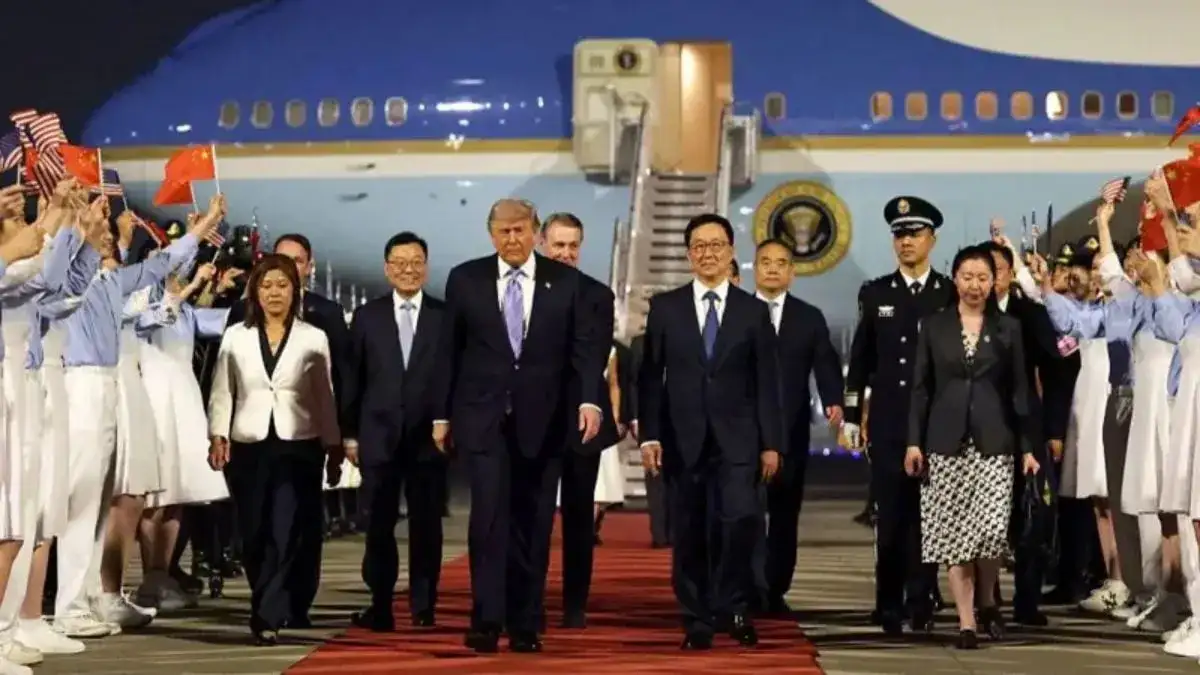
Read More: Trump meets Xi in Beijing for talks on Iran, Taiwan, trade

The strategic decision to abandon the Joint Comprehensive Plan of Action (JCPOA) in 2018 is frequently cited as a foundational error, dismantling existing diplomatic frameworks without a viable alternative. This move, coupled with subsequent military actions, is seen by critics as having severely damaged America's global standing.
ESCALATING THREATS AND MORAL QUESTIONS
As the conflict has failed to yield desired results, Trump’s rhetoric has reportedly shifted towards more extreme threats. Allegations of planned attacks on civilian infrastructure, including power stations, raise grave concerns about war crimes and violations of international law. Such threats, described as "vulgar" and indicative of "contempt," are seen by some as a reflection of the President's own perceived insecurity and the gravity of the unfolding failure. The targeting of civilian populations is viewed not only as a strategic misstep but as a moral calamity.
Read More: King Charles Presents UK Government Plans Amidst Labour Leader Pressure
INTERNATIONAL AND DOMESTIC FALLOUT
The war's continuation has led to ongoing blockades of Iranian ports, with Iran maintaining a partial closure of the Strait of Hormuz. Despite these pressures, diplomatic channels appear stalled, with no apparent progress towards an agreement on Iran’s nuclear program. The economic implications, though acknowledged, have not deterred the ongoing military operations.
The military decision-making process surrounding the Iran conflict has been characterized as "broken," reflecting a personalized approach driven by presidential predispositions rather than coherent policy. This personalized foreign policy, according to analysts, is a hallmark of Trump’s presidency, where individual ambition and perceived legacy-building often override established diplomatic and strategic considerations.
BACKGROUND TO THE CONFLICT
The current military engagement with Iran is not an isolated event but follows a pattern of heightened tensions and previous diplomatic breakdowns. The Trump administration’s Iran policy has been marked by a consistent "maximum pressure" campaign, including economic sanctions and increased military posturing. This escalation followed Trump's withdrawal from the JCPOA, a multilateral agreement aimed at curbing Iran’s nuclear program. Analysts point to a fundamental misreading of Iran's political will and capacity, underestimating its ability to withstand external pressure and project influence regionally. The conflict, now into its prolonged phase, serves as a stark reminder of the unpredictable and often devastating consequences of ill-conceived military interventions.
Read More: Nvidia CEO Huang travels with Trump to China amid chip export limits