


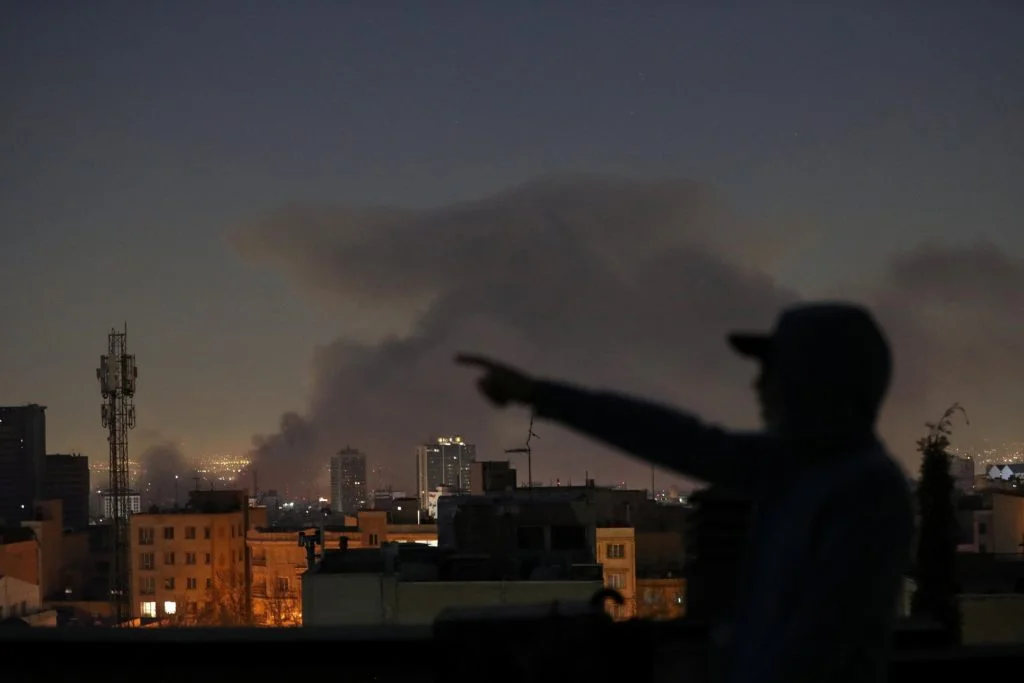
Financial markets reacted with sharp drops and rising oil prices following President Trump's demand for Iran's "unconditional surrender." The Dow Jones Industrial Average plunged over 900 points, or nearly 2%, while the S&P 500 and Nasdaq Composite saw declines of 1.6% each. Futures prices for Brent crude oil, the global benchmark, surged past $90 a barrel. This escalation in rhetoric from Trump, posted on Truth Social, came as the conflict intensified, with Iran reporting significant civilian casualties.

Iran's Stance and Regional Strikes
Iran has publicly rejected Trump's demand, characterizing it as a "dream." Iranian health officials stated that at least 926 civilians have been killed and approximately 6,000 injured in the ongoing conflict. Meanwhile, Israel announced a new wave of attacks, deploying 80 fighter jets in a pre-dawn operation that reportedly damaged a major Tehran airport. The UAE reported intercepting a substantial number of ballistic missiles and drones. In a statement on X, an Iranian official noted that while Iran had targeted US bases in the region, its actions were a response to aggression and did not negate its right to self-defense. Lebanon's health ministry reported 339 deaths from the conflict's impact.
Read More: Two Canadians Die in Dominican Bus Crash; Families Seek Answers
Trump's Vision for Post-Surrender Iran
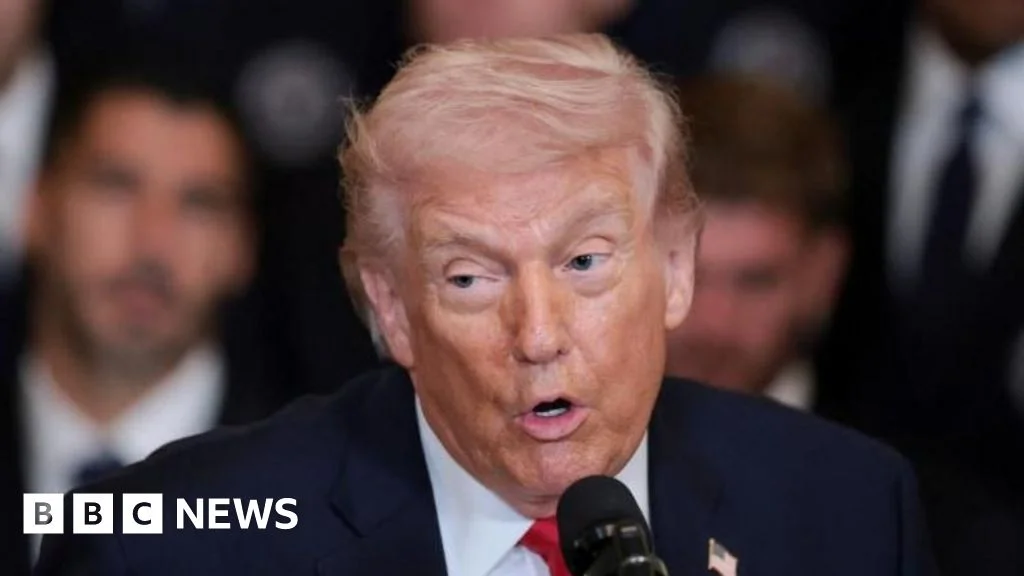
In his public statements, Trump outlined a vision for Iran post-surrender, suggesting that following "the selection of a GREAT & ACCEPTABLE Leader(s)," the United States and its allies would "work tirelessly to bring Iran back from the brink of destruction, making it economically bigger, better, and stronger than ever before." He echoed his past campaign slogan, adding, "MAKE IRAN GREAT AGAIN (MIGA!)." This statement was made amid reports of increased strikes by both sides.
Shifting Alliances and Doubts
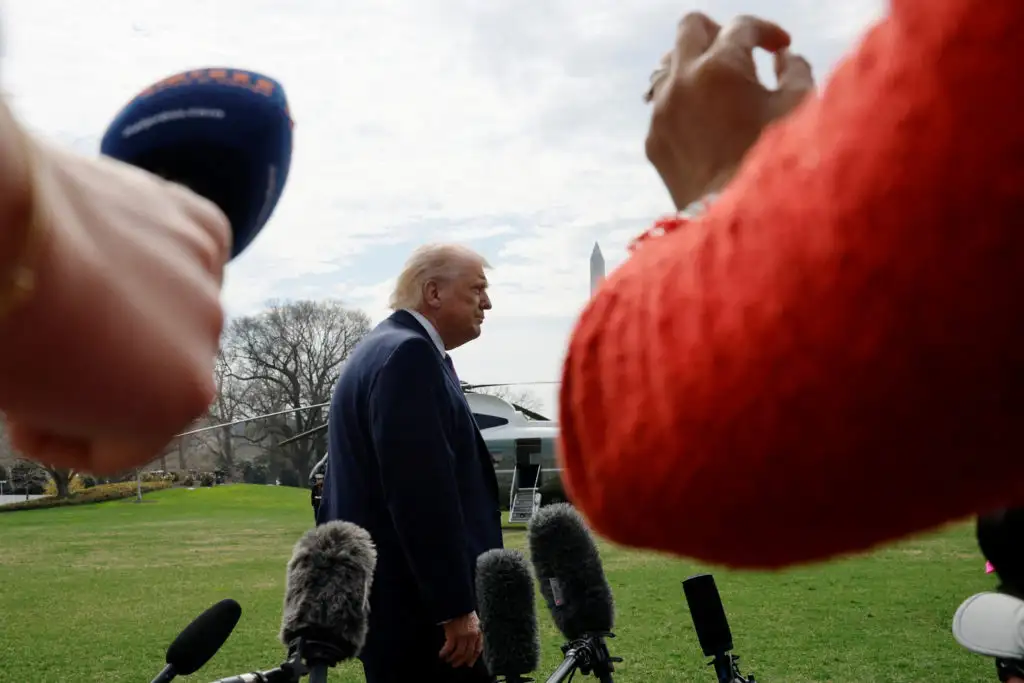
The ongoing war has strained international relations, with European allies expressing growing unease. German Chancellor Friedrich Merz, while generally supportive of the US-led campaign, voiced concerns, stating that "more questions arise with every day of war." US actions, including strikes that hit a girl's school in southern Iran killing at least 165 people, have been met with deflection from Trump's administration, which initially blamed Iran for the incident, though later reports suggested US weaponry was involved. Trump himself has maintained a stance of "more of the same" regarding US strategy to end the war, even while not ruling out the deployment of US ground troops.
Read More: Lebanon Displacement Crisis: 700,000 Uprooted by Israeli Attacks
Background and International Dynamics
The conflict has also seen Russia maintain dialogue with Iran's leadership, with reports suggesting Russia provided intelligence on American positions to Iran. Iranian President Masoud Pezeshkian reportedly expressed gratitude for Russia's support and conveyed details of the situation to Moscow. Trump has drawn parallels between the situation in Iran and a past US operation in Venezuela, where a leader was removed and a successor publicly backed. Public opinion in the US regarding the war has not shown the typical "rally around the flag" effect seen in previous conflicts.