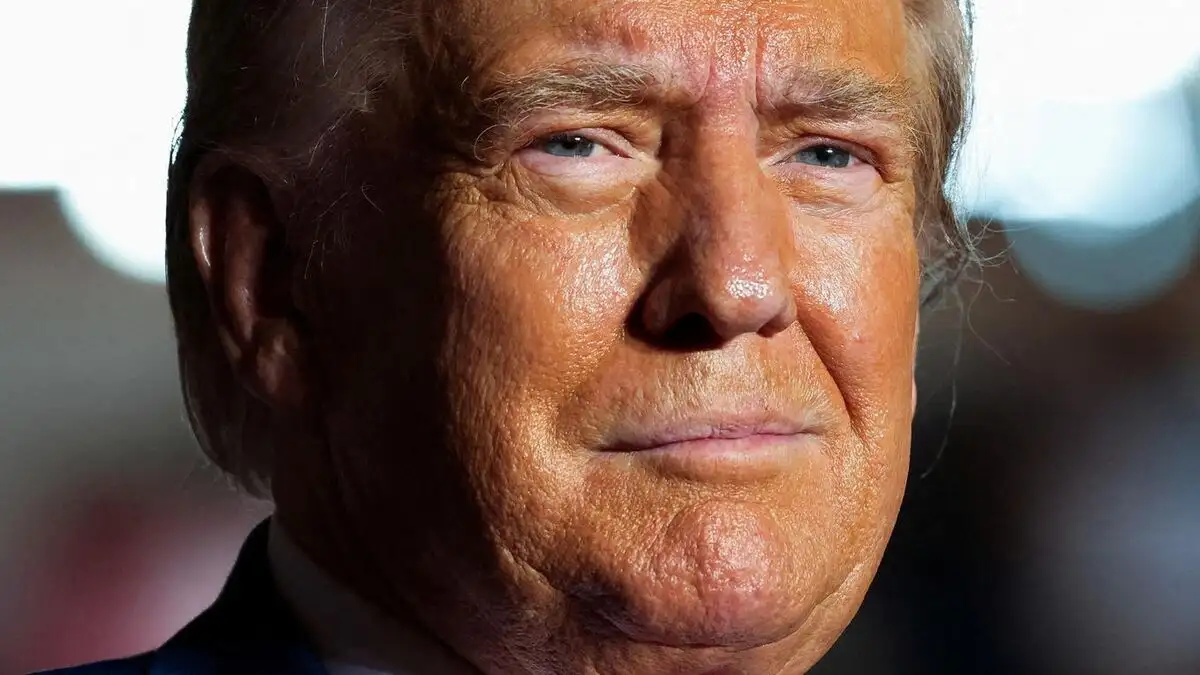
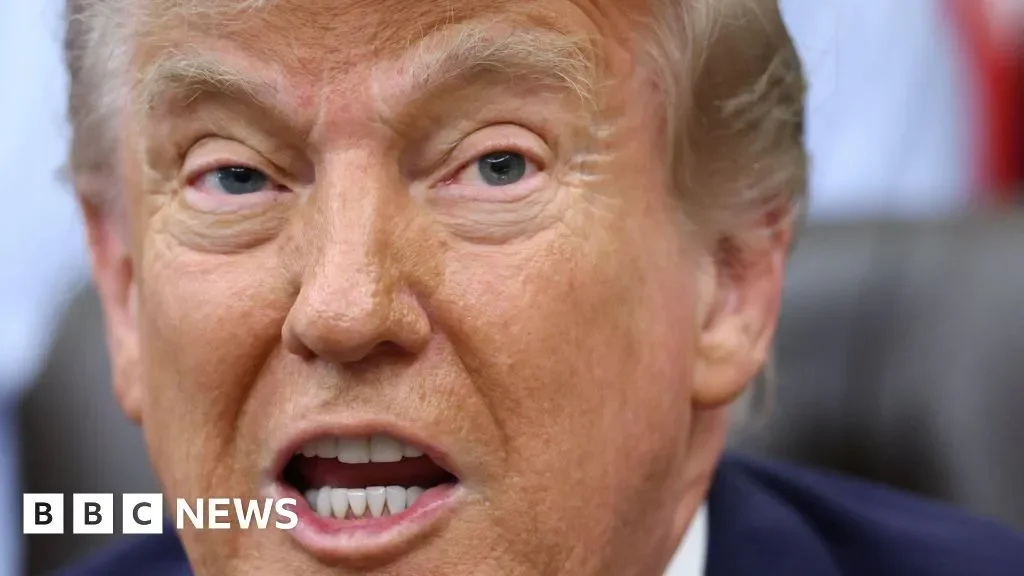
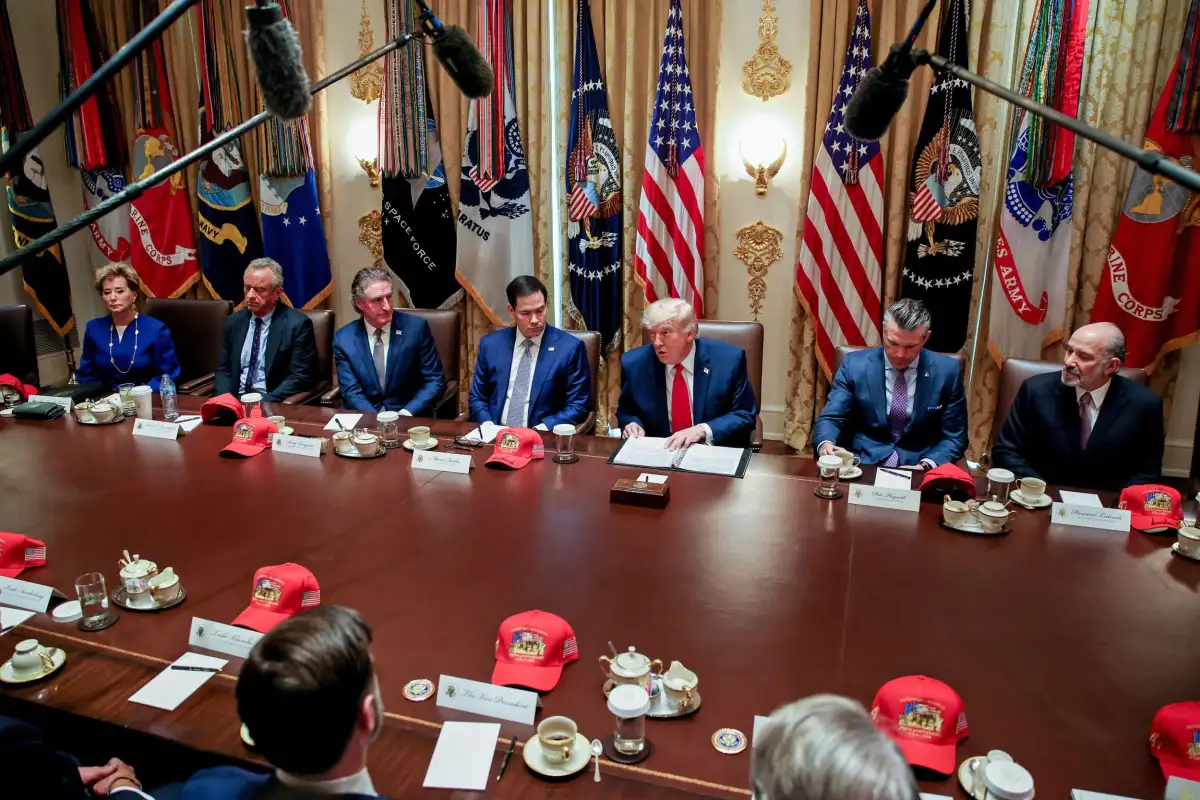
President Trump expressed dissatisfaction with the current peace proposal concerning Iran, signaling a need for significant revisions to the existing framework. The sentiment emerged during his latest public Cabinet meeting, held in Washington, D.C. While details of the proposal remain under wraps, the president’s stated "unsatisfied" stance indicates a deadlock in diplomatic efforts.
Sources suggest the stalled negotiations are intertwined with ongoing geopolitical maneuvering in the Middle East. Reports indicate a prior, seemingly secret, operation involving the United States and Israel aimed at Iran's internal stability, which may have included efforts to reinstall former Iranian President Mahmoud Ahmadinejad. This operation, however, reportedly concluded without success.
Shifting Sands in Foreign Policy
The president's focus on Iran comes amidst a broader diplomatic push, including assurances of advancing an economic corridor with Yerevan. Simultaneously, Trump has been vocal about international security, announcing the deployment of 5,000 additional U.S. troops to Poland. His administration is also navigating complex relations with China, with discussions following a summit between Trump and Chinese leadership, particularly concerning Taiwan.
Read More: Hume MP Claims Labor Rushing Tax Laws in Senate
Domestic Fronts and Political Maneuvering
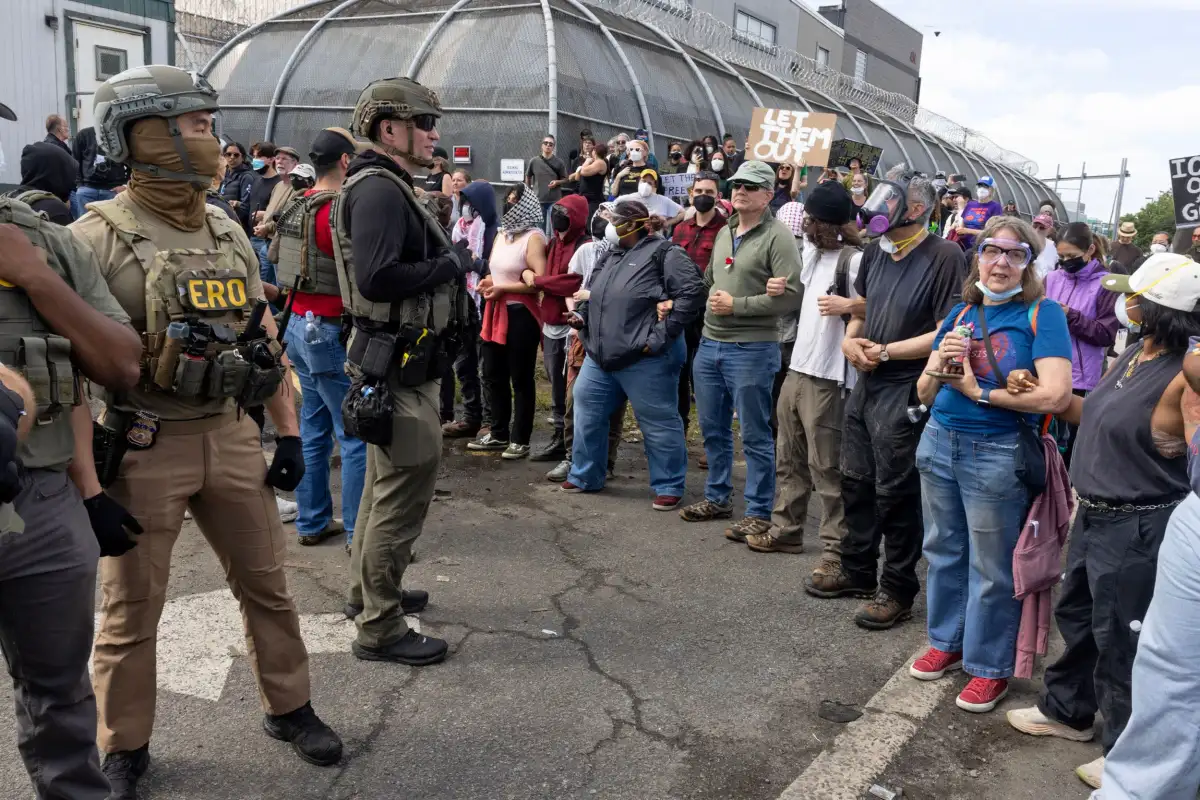
Domestically, the president continues to assert influence within the Republican party, celebrating primary election wins. Texas Attorney General Ken Paxton, who received Trump's endorsement, secured a runoff victory. These political victories are occurring against a backdrop of increased scrutiny regarding national security, including the handling of information and expanded nondisclosure agreements across government agencies.
Further complicating the landscape, a "peace council" associated with Donald Trump, reportedly focused on Gaza, lacks any discernible funding, according to financial reporting. The administration has also faced legal challenges, including a lawsuit over alleged dumping of toxic debris from the White House onto a golf course.
Contextualizing the Developments
The Iranian situation has been a recurring theme, with reports from earlier in the week detailing U.S. strikes against Iran, even amidst a reported ceasefire and peace talks. A significant point of contention remains the Strait of Hormuz, with hopes for its reopening linked to a potential agreement between Iran and the United States. The potential accord, if signed, could signal a shift in Trump's approach, with some analysts suggesting it might indicate a concession. The administration's peace plan reportedly calls for the signature of the Abraham Accords by Riyadh and Doha, in addition to an Iran peace framework.
Read More: Trump's Accords Face Iran Tensions, Pakistan's Mediation Role Questioned
This period of intense diplomatic activity follows an earlier incident where Iran claimed to have rebuilt its forces during a truce, issuing threats toward the United States. The ongoing regional tensions also saw Israeli forces intending to escalate operations in Lebanon against Hezbollah.
The complexities of Iran policy are further illustrated by previous discussions about a potential agreement, which involved details on the Strait of Hormuz, nuclear matters, and the unfreezing of Iranian assets. These developments underscore a period of significant uncertainty and strategic recalibration in U.S. foreign policy, particularly concerning Iran and its regional impact.