Recent observations of Donald Trump's late-night social media activity and a tightly controlled daily schedule have prompted public discussion and scrutiny regarding his cognitive health. Critics have drawn parallels between his behavior and the medical phenomenon known as 'sundowning,' leading to a debate about potential age-related cognitive decline.
The public discourse, fueled by viral content and commentary from various outlets, centers on specific patterns of behavior. These include a perceived increase in late-night posts, instances of seeming confusion during public appearances, and reports of an unusual sleep pattern. While these observations have led some to invoke the term 'sundowning,' it is important to note that there is no public medical diagnosis linking Donald Trump to this condition. The following analysis explores these concerns and the evidence presented in available reports.
Read More: Liberal Ideas Changing in How People Talk About Them

Observed Behaviors and Public Schedule
Donald Trump's public engagement patterns have become a focal point for discussions about his cognitive state.

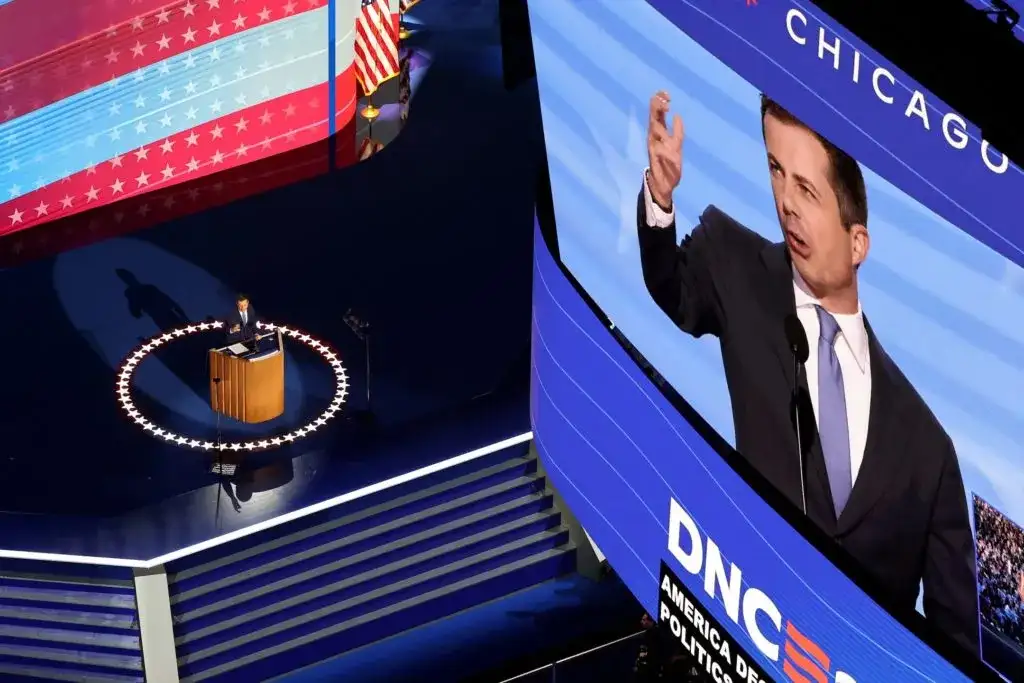
Late-Night Social Media Activity: A notable increase in social media posts originating late at night has been a recurring theme in public commentary. This activity has been juxtaposed with the clinical definition of 'sundowning' by some observers.
Tightly Managed Schedule: Reports suggest that Donald Trump's daily schedule is closely managed. This control has, in turn, fueled speculation about its purpose and implications for public observation of his condition.
Public Appearances: Instances of apparent confusion or speech disfluency during public events have been cited. Examples include mistakenly identifying political figures or trailing off mid-sentence.
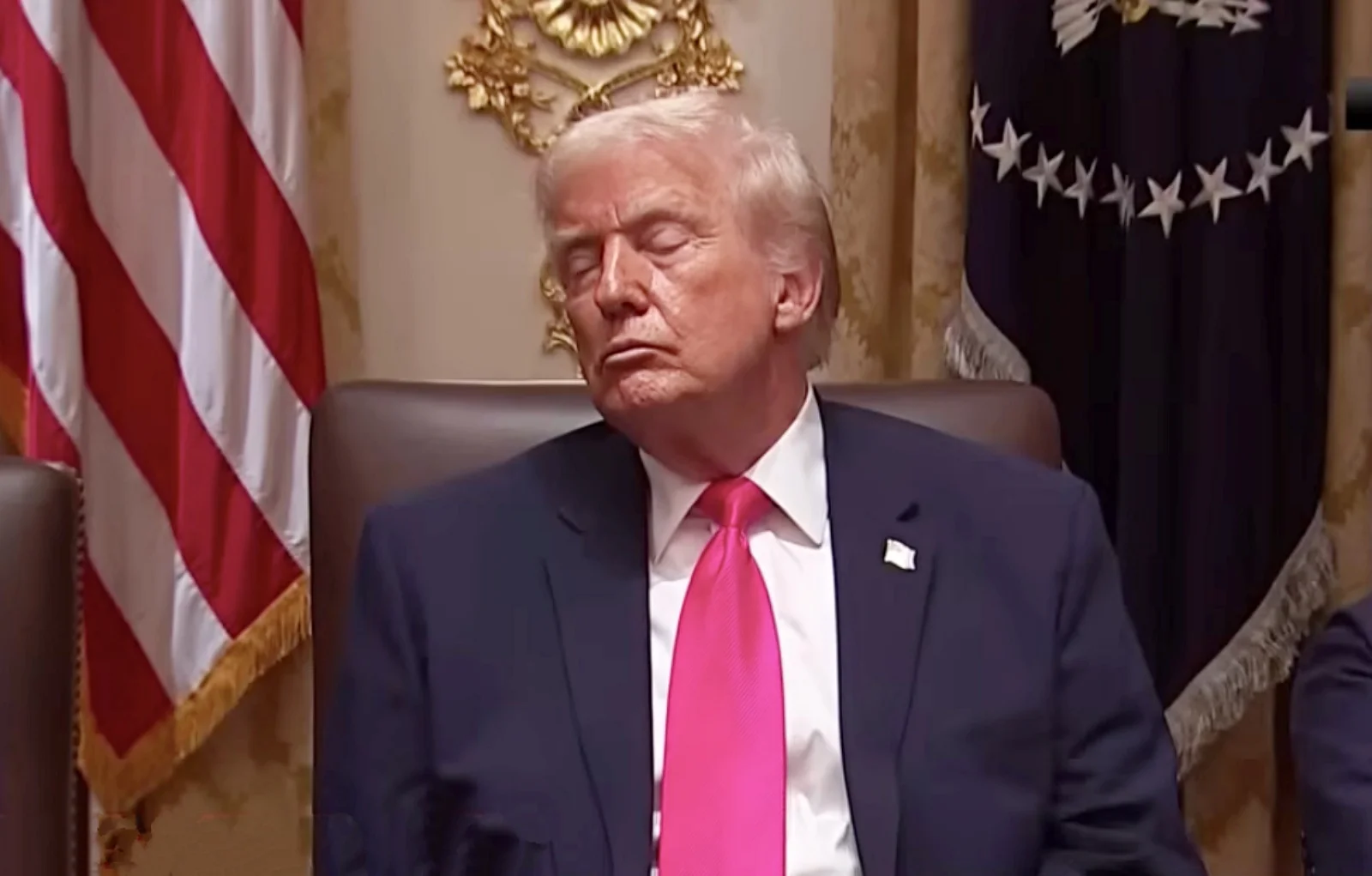
Reported Sleep Patterns: Claims that Donald Trump sleeps as little as four hours per night have surfaced, alongside observations of him appearing to nod off during official meetings.
The Phenomenon of 'Sundowning'
'Sundowning' is a medical term used to describe a specific set of symptoms associated with dementia.
Read More: US Government Reduces Money for mRNA Vaccine Research
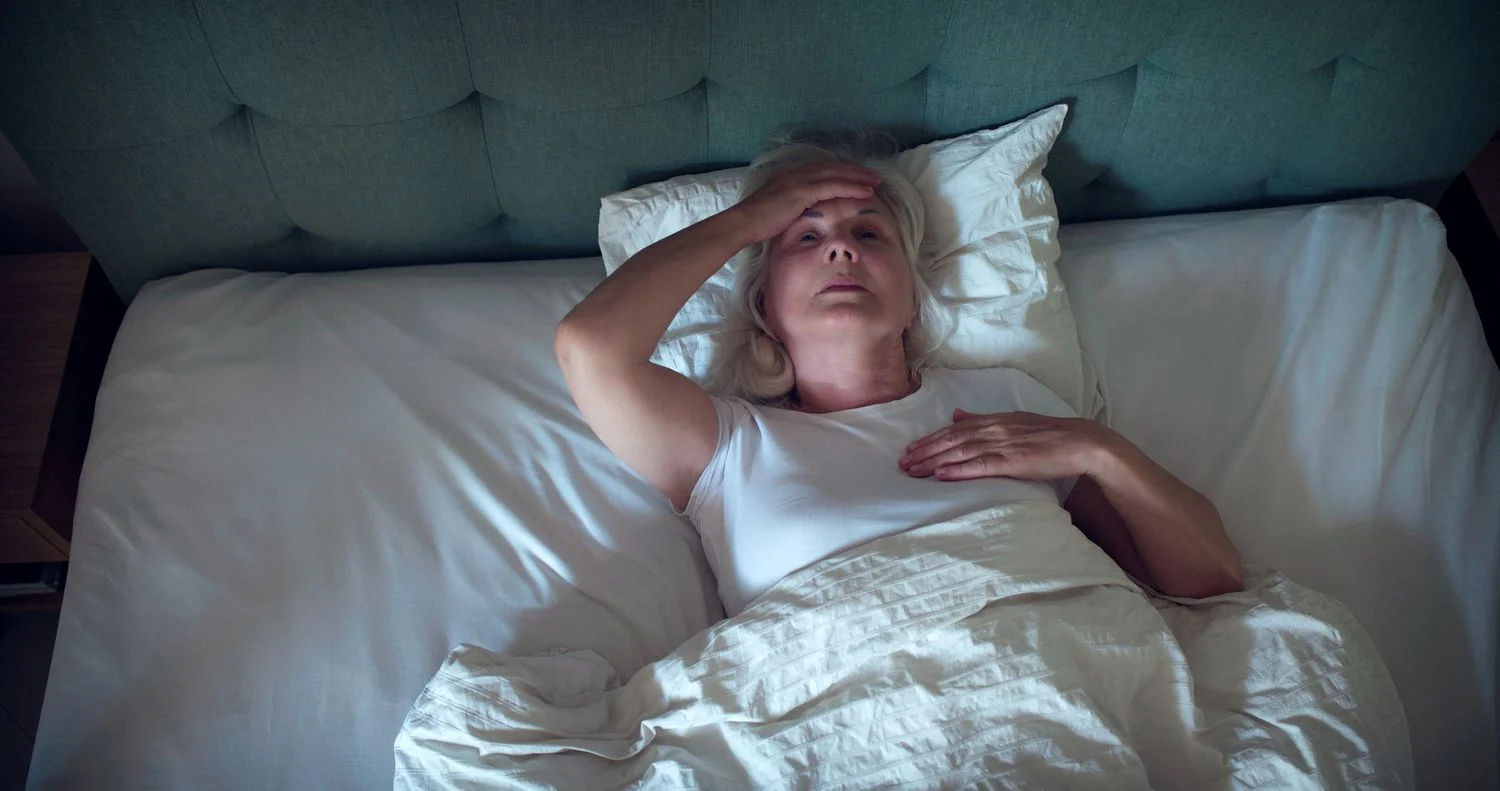
Clinical Definition: According to medical definitions, 'sundowning' is characterized by increased confusion, agitation, or disorientation that typically occurs in the late afternoon and can persist into the night.
Association with Dementia: Medical literature indicates that 'sundowning' is generally observed in individuals with moderate to advanced stages of dementia, though it can occur in earlier stages, albeit rarely.
Symptoms: The phenomenon can manifest as increased restlessness, anxiety, hallucinations, or paranoia. It is understood that these symptoms can worsen as natural light diminishes.
Perspectives on Donald Trump's Behavior
Different viewpoints have emerged regarding the interpretation of Donald Trump's observed behaviors.
Critics' Interpretations
Critics and commentators have publicly linked Donald Trump's behavior to 'sundowning' and broader concerns about cognitive decline.
Allegations of 'Sundowning': The term 'sundowning' has been actively used by critics and amplified through social media to suggest that Donald Trump's late-night activities and perceived confusion are indicative of cognitive impairment.
Concerns over Dementia: Some observers, including a clinical psychologist cited in reports, have expressed concern that Donald Trump may be exhibiting signs consistent with dementia, suggesting that his current behaviors could escalate over time.
Behavioral Examples: Specific instances, such as seemingly aimless activities on the White House roof or prolonged public appearances without clear direction, have been presented as evidence by those who hold this view.
Absence of Medical Diagnosis
It is crucial to acknowledge that interpretations of Donald Trump's behavior remain largely outside the realm of formal medical diagnosis.
Read More: Republicans Criticize Democrats for Leaving Bill Clinton Out of Presidents Day Post
No Public Medical Diagnosis: Reports consistently emphasize that there is no publicly available medical diagnosis linking Donald Trump to 'sundowning' or any specific form of dementia.
Medical Opinions: While some medical professionals have offered opinions based on public observations of speech patterns, gait, and behavior, these are presented as analyses of observable traits rather than diagnoses of a specific patient.
Political Allegation vs. Medical Finding: The claim that Donald Trump's late-night posts reflect 'sundowning' is presented as a political allegation or an inference drawn by the public, rather than a medically substantiated finding.
Expert Commentary and Analysis
Insights from medical and psychological professionals offer a framework for understanding the discussions surrounding cognitive health.
Psychologist's Observations: A clinical psychologist has stated that his analysis is based solely on psychological observation of gait, speech patterns, and other visible indicators, independent of political considerations. He has suggested that observed behaviors could be consistent with 'sundowning' and potential signs of dementia.
Definition of Sundowning: Experts clarify that 'sundowning' is a specific symptom related to dementia, characterized by increased confusion and agitation in the late afternoon and evening.
Dementia Progression: The Mayo Clinic defines 'sundowning' as a state of confusion that occurs in the late afternoon and lasts into the night. Medical resources indicate that sundowning typically occurs in the middle or late stages of dementia, and its presence in early dementia is considered rare.
Conclusion and Implications
The current public discussion surrounding Donald Trump's cognitive health is characterized by a divergence between observed behaviors and their interpretation.
Read More: People Talk About Ads for Medicines
Observed Patterns: A pattern of late-night social media activity, reported sleep schedules, and instances of perceived confusion in public appearances has been noted.
'Sundowning' as a Term: The medical term 'sundowning,' referring to a specific manifestation of dementia symptoms, has been invoked by critics and commentators to frame these observations.
Lack of Medical Substantiation: Despite the widespread use of the term 'sundowning' in public discourse, there is no official medical diagnosis confirming its presence in Donald Trump.
Future Scrutiny: Upcoming public events, particularly those occurring at night, are being viewed as potential indicators that may further fuel this ongoing debate and public scrutiny. The reliability of public statements and the ability to maintain focus during demanding engagements will likely remain central to these discussions.
Sources:
IBTimes.co.uk: "What Is 'Sundowning'? Why Trump's Late-Night Posts and Tightly Managed Daily Schedule Are Fueling Dementia Concerns" (Published: ~3 minutes ago) - https://www.ibtimes.co.uk/trump-cognitive-health-sundowning-debate-1779411
Context: Article examines the allegations of 'sundowning' in relation to Trump's late-night social media activity and controlled schedule, framing the claims as political rather than medically substantiated.
IBTimes.com: "Trump's 4-Hour Sleep Pattern Fuels Health Debate" (Published: Dec 13, 2025) - https://www.ibtimes.com/trump-sundowning-official-raises-eyebrows-revelation-presidents-4-hour-sleep-routine-3792567
Context: This report focuses on Donald Trump's reported four-hour sleep pattern and instances of appearing to nod off, connecting these to a debate about his health and stamina, and the use of the term 'sundowning' by critics.
CafeMom: "Critics Say Trump's Roof Adventures Looks More Like 'Sundowning' Than Presidential" (Published: Aug 10, 2025) - https://cafemom.com/entertainment/trump-is-accused-of-sundowning-on-white-house-roof
Context: Article discusses how certain public actions, like activities on the White House roof, are interpreted by critics as evidence of age-related confusion or 'sundowning.'
RawStory.com: "Ivy League psychologist warns Trump's late-night rants suggest serious health issue" (Published: Apr 2, 2024) - https://www.rawstory.com/is-trump-sundowning-dementia/
Context: Features commentary from a clinical psychologist suggesting that Donald Trump's observed behaviors, including speech patterns and instances of confusion, may be consistent with 'sundowning' and indicate potential dementia.
WeGotThisCovered.com: "What is ‘sundowning’? The Donald Trump claims, explained" (Seen on: AOL) - https://wegotthiscovered.com/celebrities/what-is-sundowning-the-donald-trump-claims-explained/
Context: Explains the concept of 'sundowning' and details claims made about Donald Trump's behavior, such as rambling, repetition, and seeming to forget his surroundings during public events.
PoliNews.org: "Ivy League Psychologist Sounds The Alarm; Donald Trump's Late Night Unhinged Rants Point To A Very Serious Health Issue" (Published: Apr 3, 2024) - https://polinews.org/ivy-league-psychologist-sounds-the-alarm-donald-trumps-late-night-unhinged-rants-point-to-a-very-serious-health-issue/
Context: This article reiterates the warnings from a psychologist about Donald Trump's late-night behavior, linking it to 'sundowning' and potential severe dementia symptoms, and proposes upcoming events as tests for his cognitive state.
Verywell Health: "What You Need to Know About Sundowning and Dementia" (Published: Sep 4, 2025) - https://www.verywellhealth.com/what-stage-of-dementia-is-sundowning-8682658
Context: Provides a medical explanation of 'sundowning,' defining it as a symptom that typically emerges in the middle to late stages of dementia, and discusses management strategies for the condition.
Read More: Northern Ireland Leader Questioned About China Meetings, Not US President Events