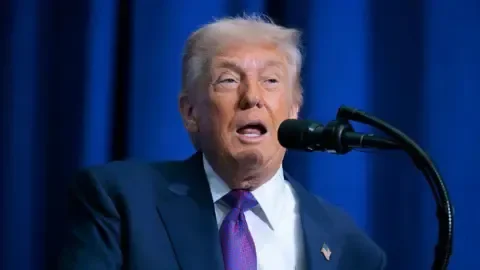
The world is watching closely as President Donald Trump has issued a firm 10-day ultimatum to Iran, stating that a failure to reach a deal will result in "bad things happening." This declaration, made amidst heightened military posturing in the Middle East, signals a critical juncture in US-Iran relations, with the potential for military conflict looming large.
The current tension stems from ongoing negotiations between the United States and Iran, reportedly mediated by Oman. President Trump has repeatedly stated that a decision on further action against Iran will be made within the next 10 to 15 days. This timeframe follows a second round of talks in Geneva. While the exact scope of these negotiations remains unclear, discussions are understood to involve Iran's nuclear program and potentially its ballistic missiles.
Escalating Rhetoric and Military Presence
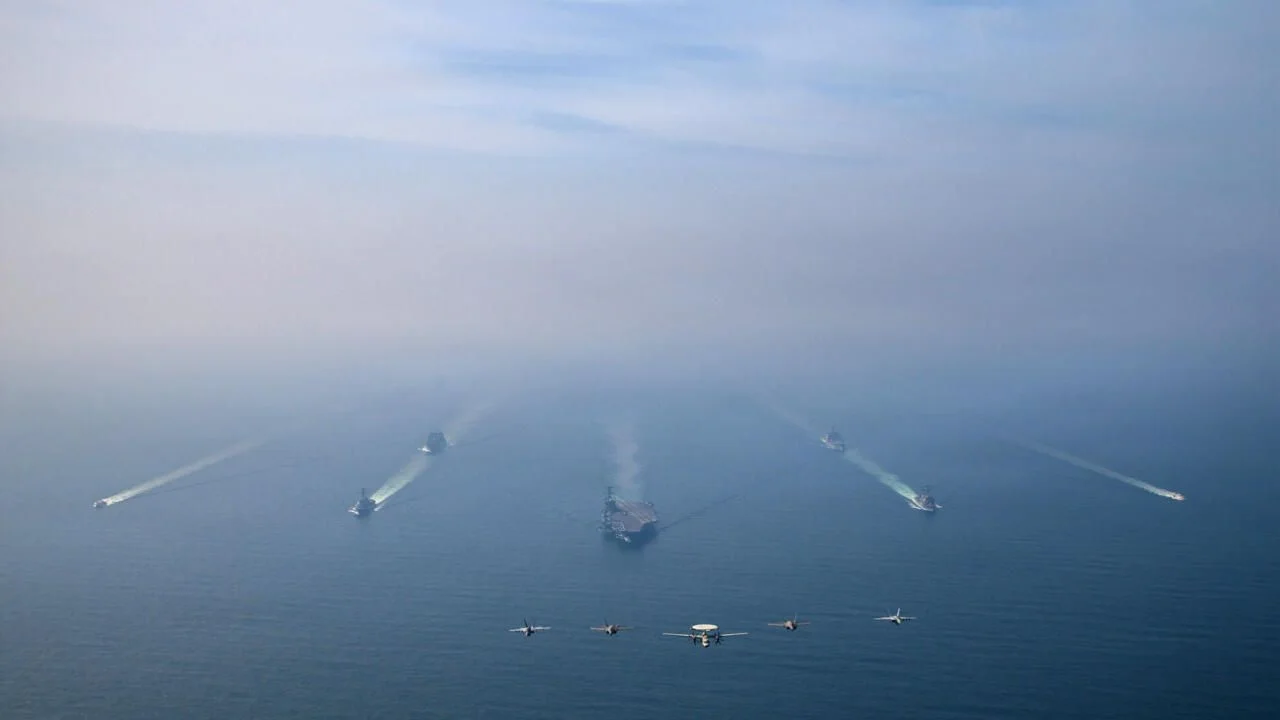
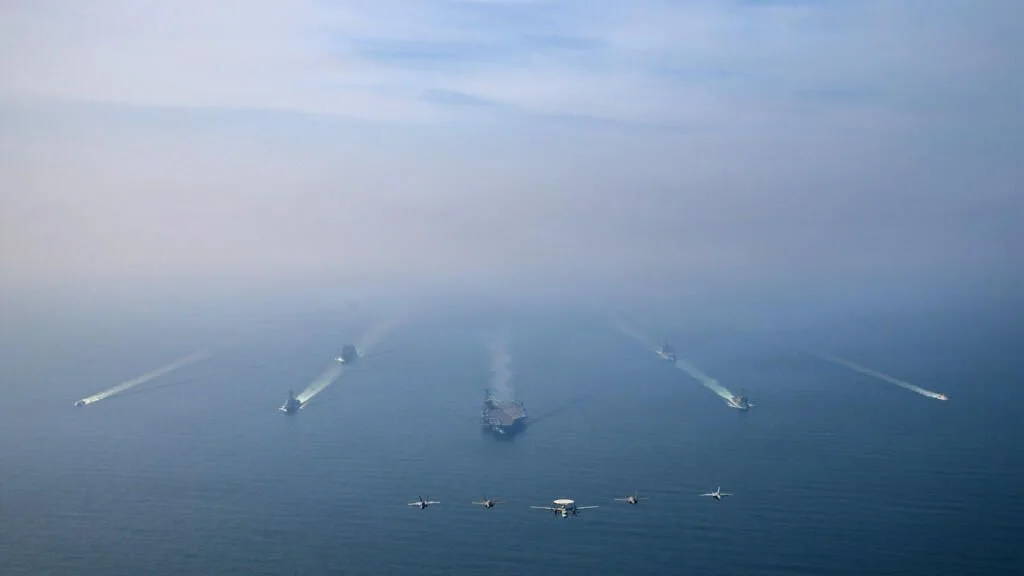
President Trump's public statements have become increasingly stark. He has warned that the US "may have to take it a step further" if a meaningful deal is not achieved, and that the world will "be finding out over the next probably 10 days." These comments were made as the US directed a second aircraft carrier group, the USS Gerald Ford, to the Middle East, joining the USS Abraham Lincoln already in the region. This build-up of military assets, reported by The New York Times citing administration and Pentagon officials, suggests the US is preparing options for military action, with some reports indicating preparations could allow for action as early as the coming weekend.
Read More: Trump China Talk Makes India Worry About Power Balance
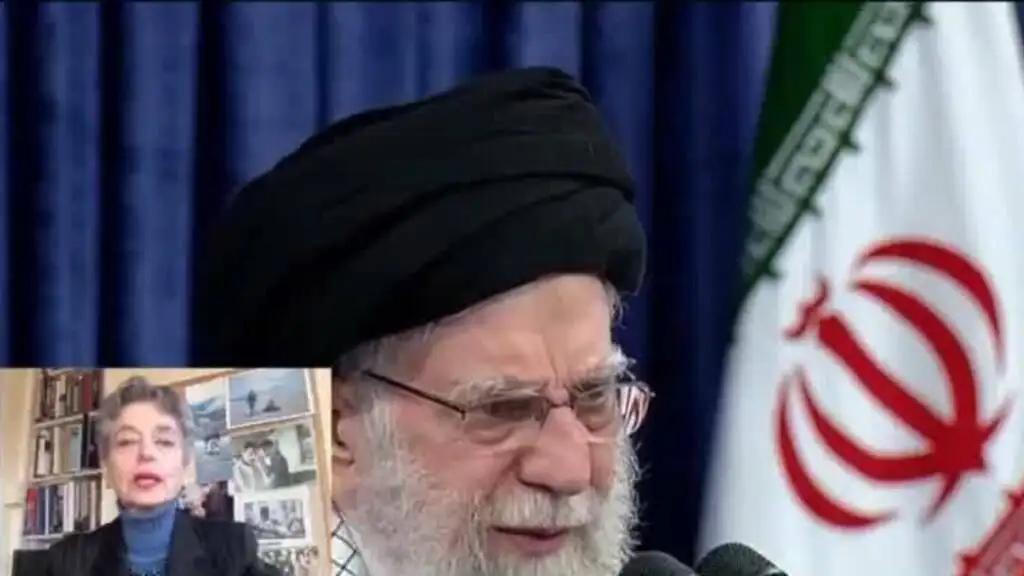
Iran's response has been equally firm. The Iranian government has officially informed the UN Secretary-General that US bases in the region will be considered legitimate targets if used for any military aggression against Iran. Tehran's UN mission conveyed to UN Secretary-General António Guterres that Trump's rhetoric indicates a real risk of an attack, though Iran has also stated it does not seek war. Satellite images appear to confirm Iran has reinforced military facilities, and Supreme Leader Ayatollah Ali Khamenei has posted threatening messages on social media targeting US forces.
International Diplomacy and Concerns
The unfolding situation is drawing international attention. US Secretary of State Marco Rubio is scheduled to meet with Israeli Prime Minister Benjamin Netanyahu on February 28 to discuss Iran. This meeting occurs against a backdrop of past actions, where the United States and Israel reportedly bombed Iranian nuclear and military sites in June. The US and Israel have historically accused Tehran of pursuing nuclear weapons.
Read More: Gulf Oil Exports Rise in June but Still Below Pre-War Levels
Within the US, there are differing views on potential military action. Democratic lawmakers, and some Republicans, have expressed opposition to any military engagement in Iran without congressional approval. Meanwhile, the British government has stated it has not authorized the use of UK military bases to support any potential strikes on Iran.
The "Board of Peace" Initiative
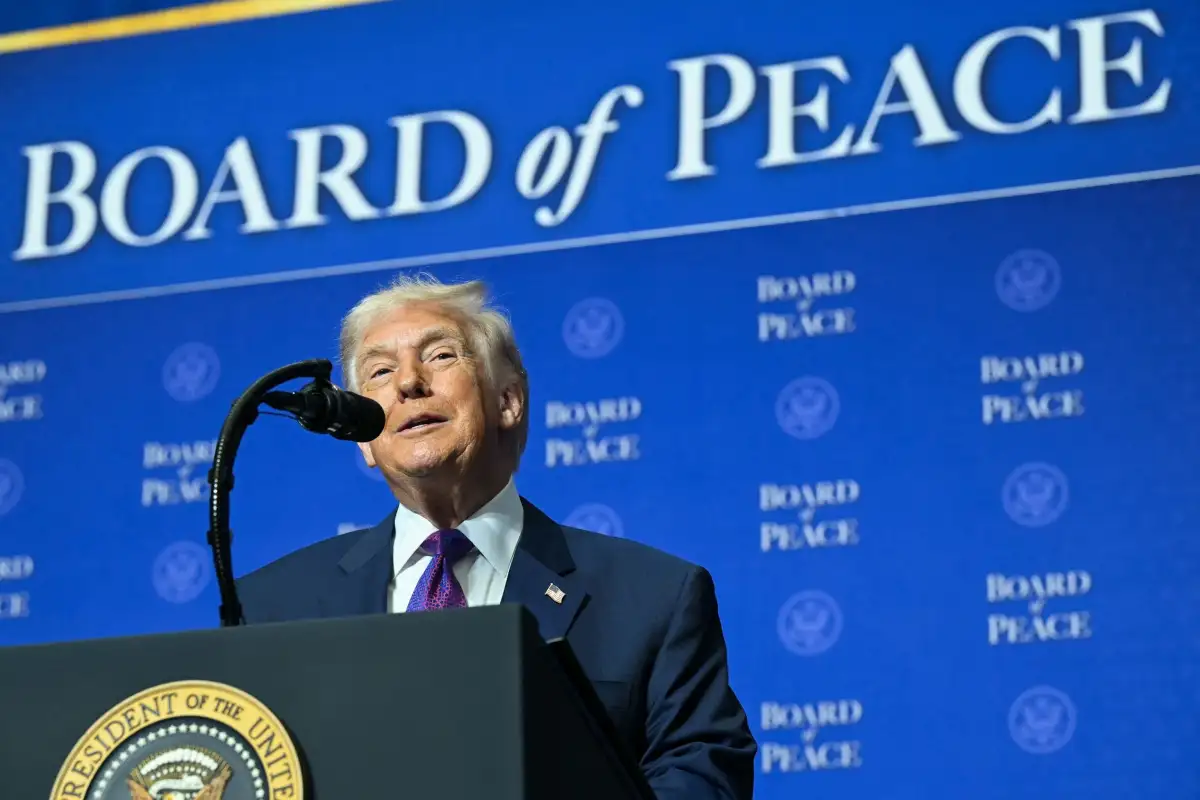
President Trump has also convened the inaugural meeting of his "Board of Peace," a body focused on rebuilding efforts in Gaza and overseeing an international stabilization force. The United Nations Security Council has given this board a mandate as part of its approval for the Trump administration's 20-point peace plan for Gaza. U.S. national security advisors have been meeting to discuss Iran, and Iran has reportedly agreed to submit a written proposal on how to address US concerns. However, it remains unclear when this proposal will be formally submitted.
Read More: Trump Warns Iran on Nuclear Weapons, Sets 2-Month Deadline
Uncertainty Surrounding Negotiations
The precise objectives of the US in these negotiations remain a subject of debate. It is unclear whether the focus is solely on Iran's nuclear program or also includes issues like its ballistic missiles. Previous negotiations between the US and Iran, which lasted months earlier last year before breaking down, resulted in US military strikes on Iran's uranium enrichment sites. The current talks are described as constructive by US officials, but major differences persist. Iran has requested additional time to provide more detailed proposals, while the US has offered only loose deadlines. Lingering uncertainties about the potential outcomes of military action might also influence President Trump's decision to prolong diplomatic efforts.
Economic Repercussions
The escalating tensions have already impacted global markets, with oil prices rising. Traders are concerned that a conflict between the US and Iran could disrupt crude oil flows through the Strait of Hormuz, a critical chokepoint for global oil trade.
Read More: US-Iran Talks Stall Over Strait of Hormuz Control on 7 April 2026
Expert Analysis
"What they're talking about, exactly, remains an open question." - CNN Politics
"The warnings came as The New York Times reported that the rapid buildup of US military assets has reached a stage where Trump now has the option of launching military action against Iran as soon as this weekend, citing administration and Pentagon officials." - Gulf News
"US Secretary of State Marco Rubio will meet Israeli Prime Minister Benjamin Netanyahu to discuss Iran on February 28, the senior US official said." - France24
Conclusion and Next Steps
President Trump's 10-day ultimatum places significant pressure on Iran to reach a comprehensive agreement with the United States. The US has demonstrated its readiness for military action through a visible build-up of naval assets in the Middle East. Iran, in turn, has signaled its intent to retaliate against US bases if attacked.
The coming days will be crucial in determining whether diplomacy prevails or if military conflict becomes a reality. Key developments to monitor include:
Iran's submission of a written proposal addressing US concerns.
Further statements and actions from both the US and Iran regarding the negotiations.
The diplomatic engagements scheduled, such as the meeting between US Secretary of State Marco Rubio and Israeli Prime Minister Benjamin Netanyahu.
Congressional reactions within the US to potential military action.
The broader international community's response to the escalating crisis.
The outcome of this 10-day period will have significant implications for regional stability and global energy markets.
Sources
BBC News: https://www.bbc.com/news/articles/c86yjnw4x49o - Published: 1 day ago. Reports on Iran's threat to target US bases and opposition to military action without congressional approval. Notes UK's stance on base usage.
USA Today: https://www.usatoday.com/story/news/politics/2026/02/19/trump-iran-nuclear-deal-10-days/88766474007/ - Published: 7 hours ago. Details Trump's 10-day deadline for a nuclear deal to avoid military action and the deployment of a second aircraft carrier.
France24: https://www.france24.com/en/middle-east/20260219-trump-iran-nuclear-deal-deadline-tehran-threatens-retaliation-us-bases - Published: 1 day ago. Covers Trump's deadline, Iran's threats, and the upcoming meeting between US Secretary of State Rubio and Israeli PM Netanyahu.
ABC News: https://abcnews.go.com/Politics/trump-iran-10-day-timeline-board-peace-meeting/story?id=130302044 - Published: 1 day ago. Explains Trump's 10-day timeline in the context of the "Board of Peace" meeting and ongoing US-Iran discussions.
Gulf News: https://www.gulfnews.com/world/mena/trump-gives-iran-10-days-us-israel-mount-pressure-over-nuclear-standoff-1.500449180 - Published: 12 hours ago. Highlights the US military build-up and Trump's 10-day warning, linking it to Omani-mediated talks and potential military action.
CNBC: https://www.cnbc.com/2026/02/19/trump-to-decide-whether-to-attack-iran-in-next-10-days-oil-prices-jump.html?msockid=3eb88a6bf4366f6526379d6df5756e97 - Published: 12 hours ago. Focuses on Trump's decision timeframe and the resulting rise in oil prices due to fears of conflict.
CNN Politics: https://www.cnn.com/2026/02/17/politics/trump-iran-negotiation-war-diplomacy - Published: 3 days ago. Discusses the duration of negotiations, uncertainties about US objectives, and past US military actions against Iran.