


Key Decisions Undermined Species Act, Enforcement
During the Trump administration, federal regulations protecting animals faced significant alterations. The Fish and Wildlife Service and National Marine Fisheries Service finalized rules that substantially weakened the Endangered Species Act, a cornerstone of U.S. wildlife protection. Simultaneously, there was a noted decline in the enforcement of the Animal Welfare Act and the Horse Protection Act. This period also saw a lack of transparency regarding recorded violations of these laws, and the agency that oversees inspections was criticized for treating regulated industries as customers, rather than prioritizing animal welfare and public interest.
Policy Shifts Raise Concerns Over Animal Welfare
The administration's actions signaled a departure from previous approaches to animal welfare and factory farming. In one instance, the meat industry was found to have been vigorously lobbying the Trump administration for a specific executive order related to meatpacking plants. In fact, a trade group, the North American Meat Institute (NAMI), had drafted a hypothetical executive order and sent it to the administration shortly before one was issued. Furthermore, the administration reportedly intervened to allow 300 raccoons to be subjected to abuse, a move described by a spokesperson as an effort to enforce animal welfare laws, though this interpretation was contested.
Read More: Taiwan Holds Nantou County Drills to Prepare for State Collapse
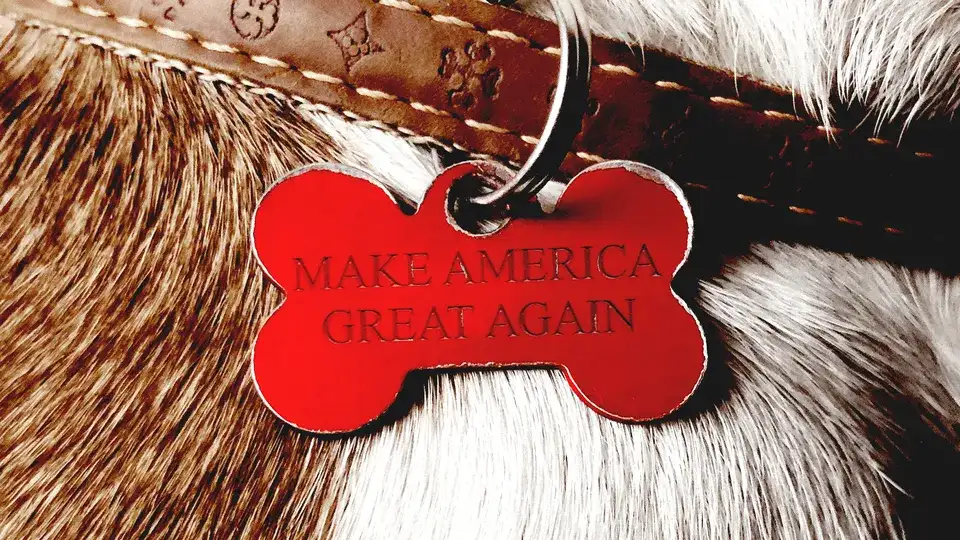
Broader Implications and Enforcement Gaps
Beyond specific regulations, broader policy directions suggested a recalcitrant stance towards animal protection. The President rescinded an order that had included wildlife trafficking within its scope, an element that was part of a United States Council on Transnational Organized Crime. Critiques emerged suggesting that changes over a two-year period systematically dismantled and weakened the inspection process, potentially leading to "untold numbers of animals that have experienced unnecessary suffering." The administration also removed animal welfare records from its website after taking office, sparking demands for their reinstatement and for the agency to document all violations.
Read More: Spencer Pratt Claims Dog Abuse in Los Angeles Skid Row
Political Undertones and Shifting Alliances
Concerns about the administration's impact on animals were voiced across different political spheres. Some factions within political movements, even those often associated with animal nationalism, have also focused on animal welfare. However, the approach taken by the Trump administration on issues like factory farming and endangered species drew sharp criticism, with some arguing that it represented a stark departure from that of his predecessor and could offer a glimpse into potential future policies. This era also saw the U.S. Department of Justice file a lawsuit against California's Proposition 12, which had been approved by voters to mandate cage-free conditions for egg-laying hens. This legal challenge was seen by some as fighting a battle that's already been settled by consumer demand and industry shifts.
Historical Context and International Parallels
The actions taken during the Trump presidency occurred against a backdrop where animal protection is increasingly a subject of political discourse. While animal welfare is not universally a partisan issue, some illiberal factions in other countries have also taken up its cause. The authority of executive orders themselves is not absolute; federal courts can review their lawfulness. However, the specific choices made during this period, such as pausing rather than definitively acting on endangered species protections, and the subsequent weakening of established regulations, highlight a period of significant contention in the ongoing dialogue surrounding human-animal relationships and legal frameworks.
Read More: FBI Analysts Review Georgia 2020 Election Data in Fulton County







