

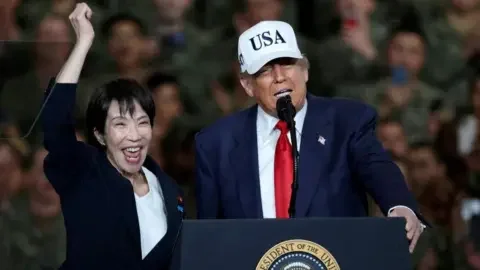
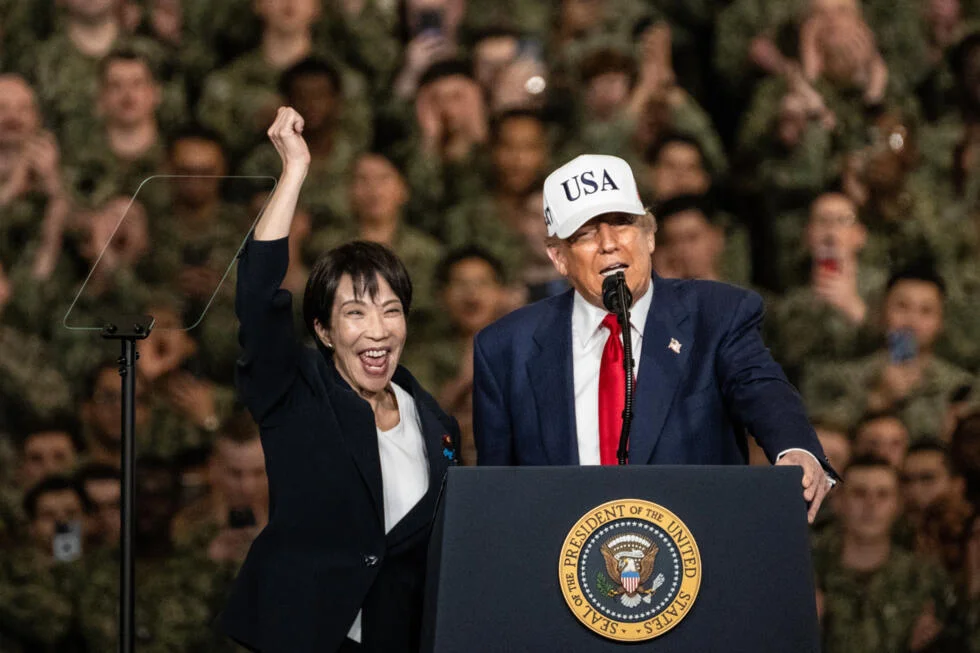
`Donald Trump's unexpected backing of Japanese Prime Minister Sanae Takaichi just days before a crucial snap election has sent ripples through global politics. Is this a strategic alliance, a personal favor, or a signal of deeper shifts in international relations? As Takaichi faces a vote that could see her coalition surge to a super-majority, the timing of Trump's endorsement raises a barrage of questions about motives, potential fallout, and what it truly means for Japan, the US, and a China already watching closely.
The Shadow of the Election
On Sunday, Japan is set for a snap election, a vote where Prime Minister Sanae Takaichi, who has enjoyed a "honeymoon" period since taking office in October, is widely predicted to secure a resounding victory. Pollsters, while cautious about a segment of undecided voters, foresee her coalition potentially winning a "super-majority," a decisive mandate that would solidify her power. This is the backdrop against which Donald Trump has publicly thrown his support behind Takaichi, a move that feels both timely and potentially provocative.
Read More: Government Funding for DHS May End Soon

The Stakes: A super-majority would grant Takaichi significant legislative power, allowing her to push through her agenda with fewer obstacles.
The Timing: The endorsement comes mere days before the election, maximizing its potential impact. It also follows a high-profile phone call between Trump and China's leader Xi Jinping.
A Relationship Forged in Fleeting Moments
Takaichi's overtures to Trump have been a notable aspect of her brief tenure. Days after assuming leadership, she reportedly welcomed Trump to Japan with significant gestures.
Gifts and Praise: Takaichi publicly endorsed Trump for the Nobel Peace Prize and presented him with golf memorabilia. This wasn't just diplomatic courtesy; it was a clear attempt to court favor with a powerful, albeit unpredictable, US president.
The Nobel Gambit: Endorsing Trump for the Nobel Peace Prize, a prestigious international award, was a bold move. Was this a genuine belief in his diplomatic achievements, or a calculated strategy to build a personal rapport?
The Trump Factor: Why Now?
Trump's endorsement isn't a standard diplomatic endorsement. It's a personal declaration of support, amplified by his considerable following and his history of unconventional foreign policy pronouncements.
Read More: India and Israel Talk More Trade
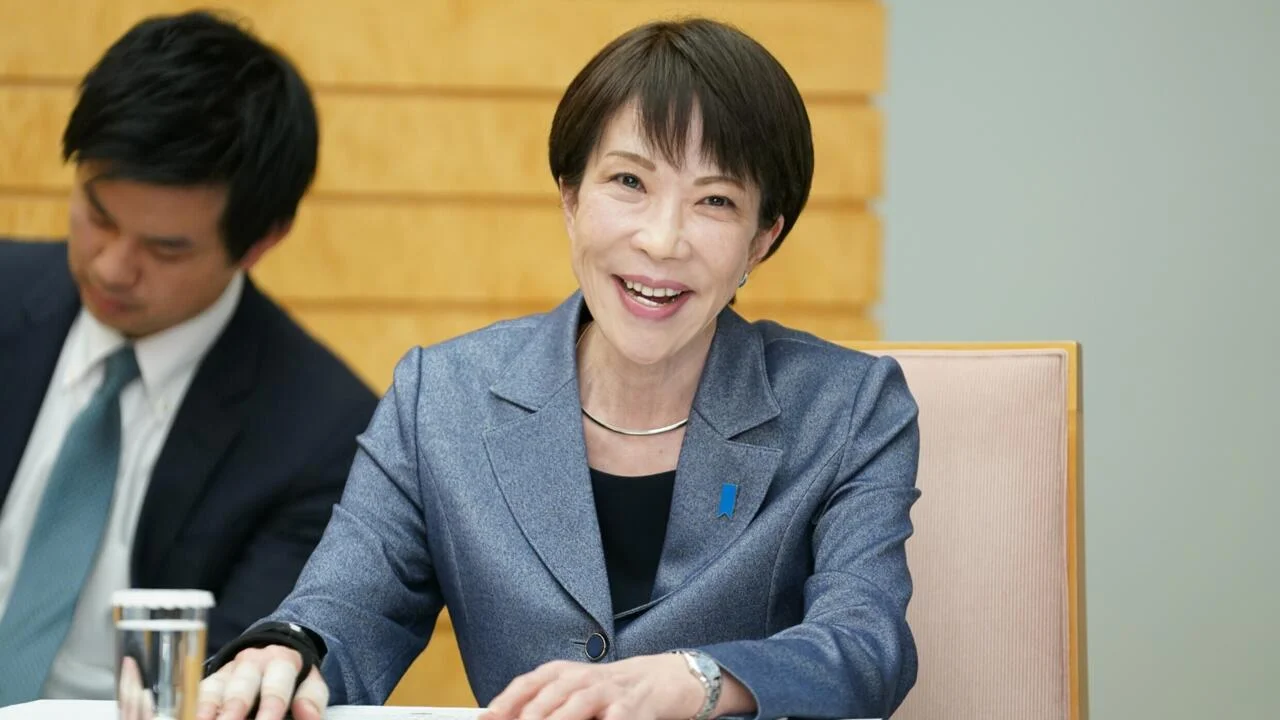
"He likes winners and she has come through on boosting defence spending and supporting the investment deal to reduce tariffs." - A source quoted by AFP in The Hindu.
This statement, while seemingly straightforward, begs further scrutiny.
"He likes winners": Is this a genuine assessment of Takaichi's electoral prospects, or a self-serving declaration from Trump, who often aligns himself with perceived victors?
"Boosting defence spending": Japan's increased defense spending has been a significant policy shift, driven by regional security concerns, particularly regarding China. Trump's endorsement suggests he sees this as a positive alignment with US interests.
"Supporting the investment deal to reduce tariffs": This refers to a deal reached in July where Washington lowered tariffs on Japanese goods. This implies a transactional element to their relationship, where policy concessions are met with reciprocal support.
The China Conundrum: A Diplomatic Tightrope
The timing of Trump's endorsement, immediately following his call with Xi Jinping, is particularly noteworthy. The call itself was reportedly filled with mutual praise and culminated in a deal on rare earths.
Read More: Labour Leader Starmer Faces Questions from His Own Party
The Rare Earths Deal: This is a critical sector, as rare earth minerals are essential for many high-tech industries, including defense systems. China dominates global production. What were the specifics of this deal, and who truly benefited?
An Implicit Message? By endorsing Takaichi, who has already "rattled markets" and is seen as "angering China," did Trump intend to send a message to Beijing? Is he leveraging Japan as a strategic counterweight in the region, or simply playing to his domestic audience with a strong stance on international affairs?
Market Mayhem and Geopolitical Ripples
Takaichi's premiership has already been marked by economic volatility. Her policies have coincided with record highs in yields on long-dated Japanese government bonds and a seesawing yen.
Market Jitters: Why are markets reacting so strongly to Takaichi's policies? Are these reactions solely due to her stance on China, or are there deeper concerns about Japan's economic trajectory under her leadership?
Trump's Influence: How might Trump's endorsement further influence these markets? His public statements have historically caused significant market fluctuations. Is this endorsement intended to stabilize Japanese markets, or is it a further gamble?
The Visit: A Future Alliance or a Symbolic Gesture?
Trump has also announced that Takaichi will visit the White House on March 19th. This is a significant diplomatic engagement, particularly given the timing.
Read More: Nation A and Nation B Have Diplomatic Problems After Aircraft Incident
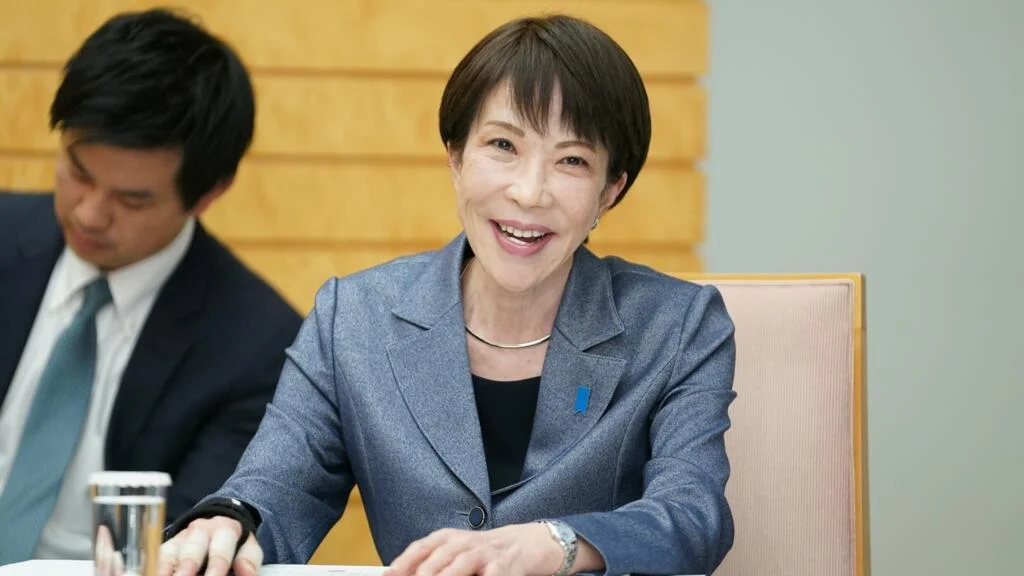
Post-Election Diplomacy: This visit will occur after the Japanese election, allowing Trump to officially welcome a newly empowered Prime Minister Takaichi. What is the agenda for this meeting?
Reinforcing the Alliance: Is this visit intended to signal a renewed, robust alliance between the US and Japan, or is it a personal gesture from Trump to a leader he publicly supports? What does this mean for the broader US-Japan security treaty?
Unanswered Questions and Future Implications
Trump's endorsement of Sanae Takaichi is more than just a political footnote. It's a complex maneuver with far-reaching implications.
What is the precise nature of the "investment deal to reduce tariffs" that Trump references? Were there concessions made by Japan beyond those publicly disclosed?
How will China respond to this overt US backing of a Japanese leader who has taken a firm stance against Beijing?
Beyond electoral politics, what are the long-term strategic objectives behind this endorsement and the planned White House visit?
Is Trump attempting to reshape US foreign policy by forging direct personal alliances with leaders, bypassing traditional diplomatic channels?
Read More: AI Company Anthropic Gives $20 Million to Political Group
The endorsement itself, coupled with the planned visit and the backdrop of regional tensions and economic anxieties, paints a picture of a carefully orchestrated, yet potentially volatile, diplomatic dance. As Japan heads to the polls, the world will be watching to see if Takaichi can leverage this international spotlight into a decisive victory, and what the true cost – or benefit – of Trump's unwavering support will be.
Sources:
France24: https://www.france24.com/en/live-news/20260206-japan-pm-wins-trump-backing-ahead-of-snap-election
The Hindu: https://www.thehindu.com/news/international/japan-pm-sanae-takaichi-full-endorsement-donald-trump-snap-elections/article70598530.ece
Japan Today: https://www.japantoday.com/category/politics/update1-trump-endorses-japan%27s-takaichi-before-election-unveils-her-march-visit
The Straitstimes: https://www.straitstimes.com/asia/east-asia/trump-endorses-japanese-pm-takaichi-ahead-of-sunday-election
Financial Times (FT): https://www.ft.com/content/c8fa222b-d4e5-4678-9450-68ce5fb53516
Read More: ICC Wants Cricket Leaders to Talk During India-Pakistan Match

)


)