

)
Negotiations for a Free Trade Agreement (FTA) between India and Israel are gaining momentum, driven by a mutual desire to expand economic ties and foster cooperation in advanced technological sectors. This push comes as both nations engage in broader regional diplomacy, signaling a strategic shift in their bilateral relationship. The intensified talks aim to deepen engagement beyond traditional trade, focusing on areas like artificial intelligence (AI), cybersecurity, and defense.
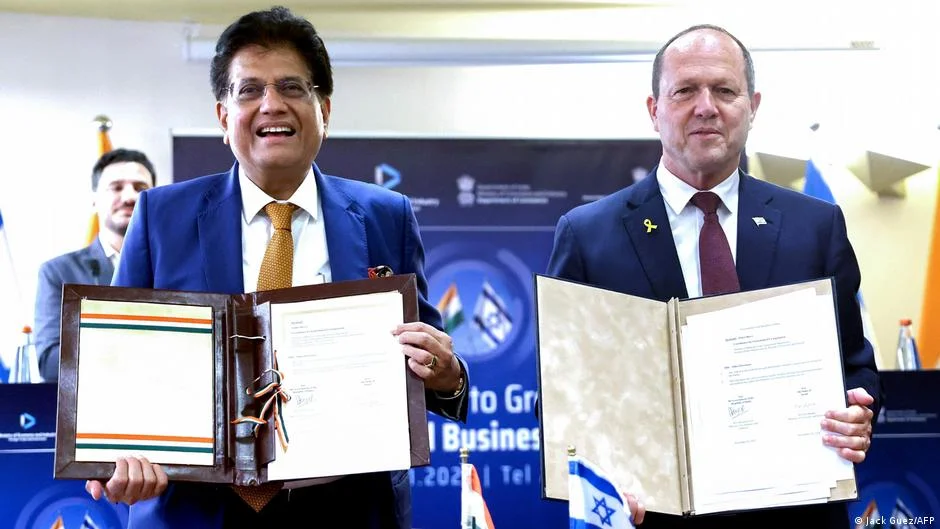
The current discussions build upon earlier engagements, including the signing of terms of reference for the FTA and a bilateral investment agreement. The proposed FTA is viewed as a two-phase approach, initially focusing on tariff reductions for goods, with later phases dedicated to investment and technology transfer in strategic sectors.
Trade Partnership: A Closer Look
India and Israel have been working to enhance their economic partnership. Key developments include:
Read More: Louis Vuitton Netherlands Fined €500,000 for Money Laundering Failures
FTA Negotiations: Talks for a Free Trade Agreement have been revived after a significant pause.
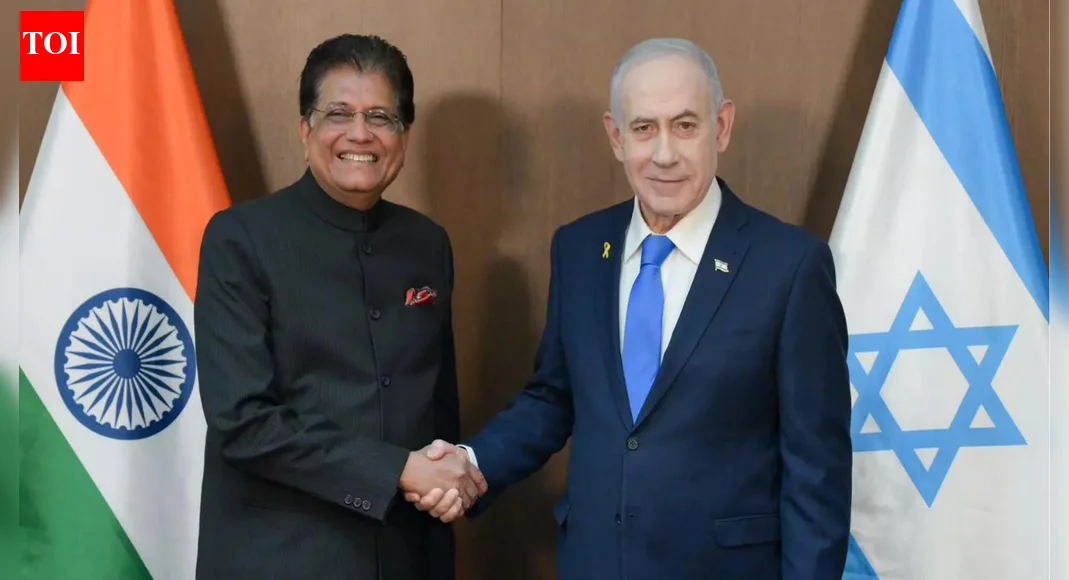
High-Level Visits: Indian Commerce Minister Piyush Goyal has met with Israeli leadership, including Prime Minister Benjamin Netanyahu and President Isaac Herzog.
Delegation Exchanges: An Israeli delegation is expected in India to further these discussions.
"We are building economic power together." - Quoted statement attributed to a minister following high-level meetings.
The core of the current engagement centers on accelerating FTA negotiations, with a clear intent to move beyond traditional goods trade towards deeper collaboration in high-tech and strategic sectors.
Strategic Sectors at the Forefront
While merchandise trade between India and Israel remains modest, the renewed focus on an FTA highlights the potential in strategic areas. The Global Trade Research Initiative (GTRI) suggests that the most significant commercial opportunities lie beyond basic goods.
Read More: Nation A and Nation B Have Diplomatic Problems After Aircraft Incident
Areas of Focus:
Defense manufacturing
Semiconductor design
Electronics
Water and irrigation technologies
Precision agriculture
Cybersecurity
Frontier research and development (R&D)
Drip-irrigation systems
Sectors where India is competitive, such as agriculture, generics, steel, and chemicals, face existing tariff preferences for Israel with partners like the EU and the US. This suggests that gains from the FTA will likely stem from specialized sectors rather than broad-based goods.
The GTRI analysis indicates that the economic momentum will largely come from a limited range of goods, but significant expansion is anticipated in strategic sectors where both economies are already closely aligned.
A Phased Approach to Trade Liberalization
The proposed Free Trade Agreement is envisioned to follow a two-phase roadmap. This structure aims to provide early benefits while allowing sufficient time to address more sensitive aspects of the trade relationship.
Read More: NVIDIA and OpenAI Partnership Faces Challenges
Phase One: Focuses on tariff reductions for goods.
Phase Two: Will expand to cover investment and cooperation in technology transfer, defense, innovation, cybersecurity, AI, fintech, and precision agriculture.
This phased implementation is seen as a practical way to manage the complexities of trade liberalization and ensure broader economic integration.
The two-phase strategy for the FTA is designed to enable quick gains from goods trade while gradually incorporating deeper cooperation in high-value technological and strategic domains.
Broader Diplomatic and Economic Context
The renewed impetus for the India-Israel FTA is occurring within a broader regional diplomatic push. Both nations are looking to strengthen their economic alliances and connectivity.
India's Goals: Reducing dependence on any single market and diversifying economic partnerships.
Israel's Goals: Seeking diversified economic alliances.
Connectivity Initiatives: The India-Middle East-Europe Economic Corridor (IMEC) is highlighted as a key initiative for expanding connectivity and trade.
Read More: ICC Wants Cricket Leaders to Talk During India-Pakistan Match
The bilateral investment agreement signed in September further underscores the commitment to deepening economic ties. Israel views India as a crucial part of its strategic economic outlook, and India sees Israel as a vital partner.
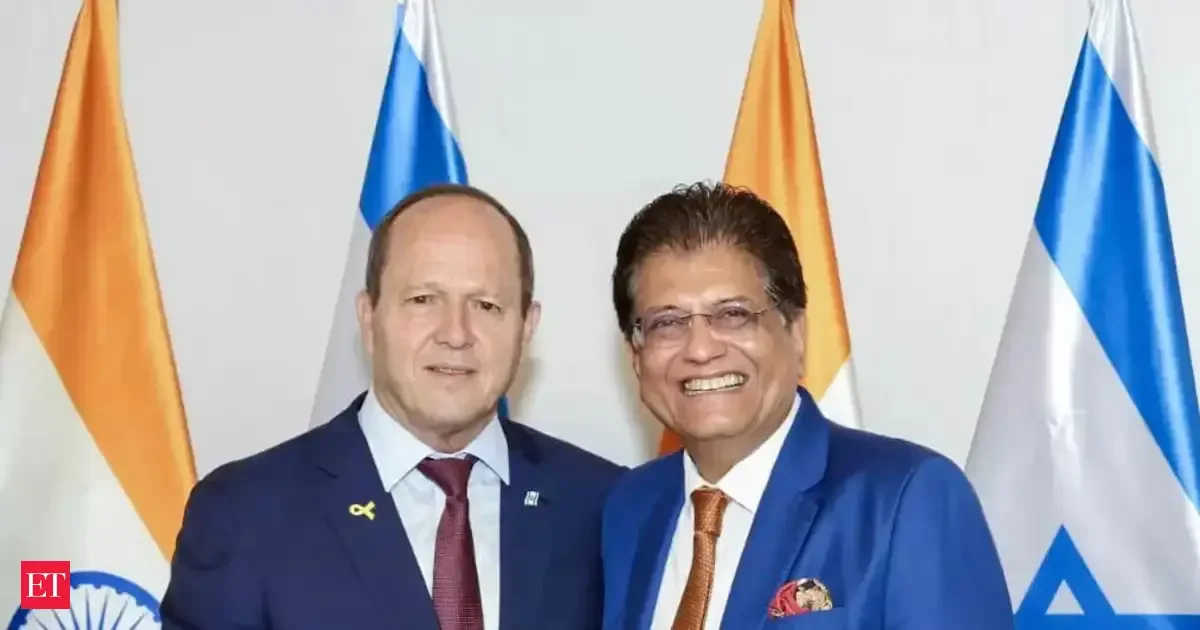
"India is a great bet for us, and we want to be the best partner for India.” - Statement regarding the economic partnership.
The FTA negotiations are intrinsically linked to larger regional economic strategies, emphasizing India's strategic importance to Israel and vice versa, as demonstrated by initiatives like IMEC and bilateral investment agreements.
Expert Insights and Analysis
Commentators note the strategic importance of this renewed focus on economic cooperation. The engagement signals a deliberate effort to leverage the strengths of both economies in cutting-edge fields.
Ambassador Reuven Azar expressed high expectations for Prime Minister Modi's upcoming visit to Israel, indicating the potential for significant progress.
The Global Trade Research Initiative (GTRI) provides a measured perspective, highlighting both the opportunities in strategic sectors and the limitations in traditional goods trade.
Read More: UK Government Looks Closely at Daily Mail Owner Buying The Telegraph
The current trade discussions are characterized by a strategic reorientation, aiming to harness technological advancements and deepen partnerships in specialized sectors rather than solely relying on broad-based trade expansion.
Conclusion and Next Steps
The ongoing negotiations between India and Israel for a Free Trade Agreement represent a significant step in their bilateral economic relationship. The focus on strategic sectors like AI, cybersecurity, and defense, coupled with a phased approach to trade liberalization, indicates a sophisticated strategy for mutual growth.
Key Actions:
Further high-level meetings and delegation exchanges are expected.
The two nations will continue to define the scope and terms of the FTA.
Emphasis will remain on fostering cooperation in advanced technology and defense.
The current trajectory suggests a sustained effort to solidify and expand the economic partnership, aligning with broader regional diplomatic and economic initiatives.
Sources
Zeenews.india.com: Reports on the acceleration of FTA negotiations, upcoming Israeli delegation visit, and high expectations for PM Modi's visit. https://zeenews.india.com/world/india-israel-trade-fta-negotiations-heat-up-amid-regional-diplomacy-push-3016384.html
Timesofindia.indiatimes.com: Details the GTRI analysis on opportunities in strategic sectors and modest gains for goods trade, along with the phased approach for the FTA. https://timesofindia.indiatimes.com/business/india-business/trade-revival-push-india-and-israel-restart-fta-talks-after-decade-long-pause-gtri-says-gains-lie-beyond-goods-trade/articleshow/125538246.cms
Livemint.com: Covers the renewed push in economic partnership following meetings between Piyush Goyal and Israeli leadership in Jerusalem, and the signing of terms of reference for the FTA. https://www.livemint.com/economy/india-israel-fta-negotiations-piyush-goyal-netanyahu-jerusalem-trade-investment-11763904818606.html
Nri.today: Highlights the fresh boost to the India-Israel Economic Partnership, the strategic importance for both nations, and the two-phase FTA roadmap. https://nri.today/india-israel-economic-partnership-fta-talks/
Israel.com: Discusses the resumption of free trade talks, India's central role in Israel's strategic economic outlook, and opportunities for businesses. https://israel.com/business/free-trade-talks-resume-as-israel-and-india-push-strategic-economic-partnership
Moneycontrol.com: Mentions the revival of long-pending FTA talks between India and Israel after a decade-long pause. https://www.moneycontrol.com/news/india/a-decade-of-pause-now-a-reboot-india-and-israel-move-to-revive-long-pending-fta-13688652.html
Lawstreet.co: Reports on the acceleration of FTA discussions with Piyush Goyal leading a delegation to Tel Aviv, and the focus on broader economic and strategic links. https://lawstreet.co/international/india-israel-fta-discussions-accelerate-as-piyush-goyal-leads-delegation-to-tel-aviv
Read More: Ships in [Name of Waterway] Have Close Call; Nations Blame Each Other



)
