

Contingent Force for Strategic Aims Discussed
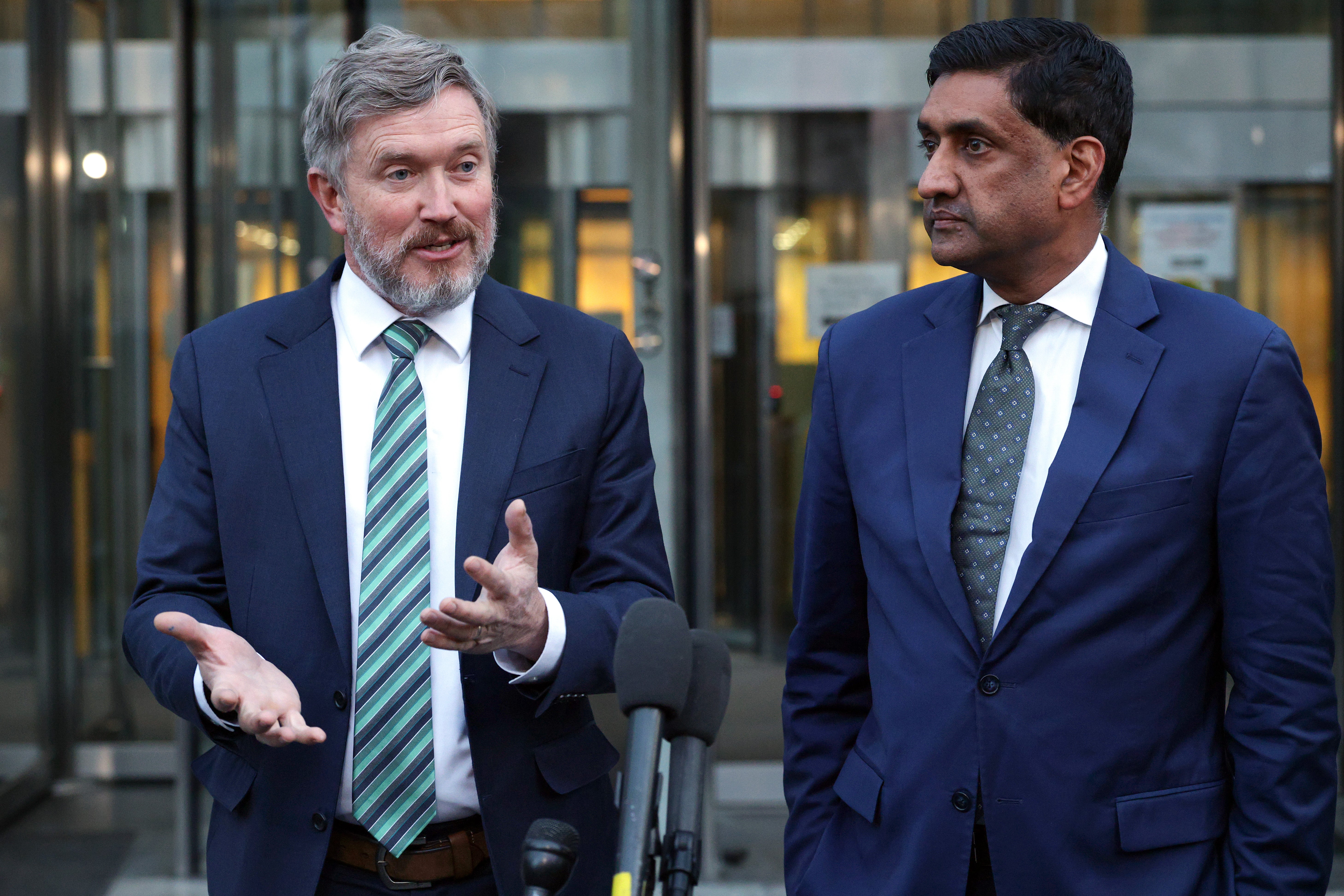
President Donald Trump has privately conveyed a "serious interest" in deploying U.S. ground troops inside Iran, according to multiple sources with knowledge of the discussions. This exploration has reportedly not centered on a full-scale invasion, but rather on the potential deployment of a "small contingent" of troops for "specific strategic purposes." These discussions have occurred both with White House aides and external Republican officials, with Trump outlining a vision for a post-conflict Iran involving secure uranium and a cooperative oil production agreement with a new Iranian regime.
Clarifications and Denials
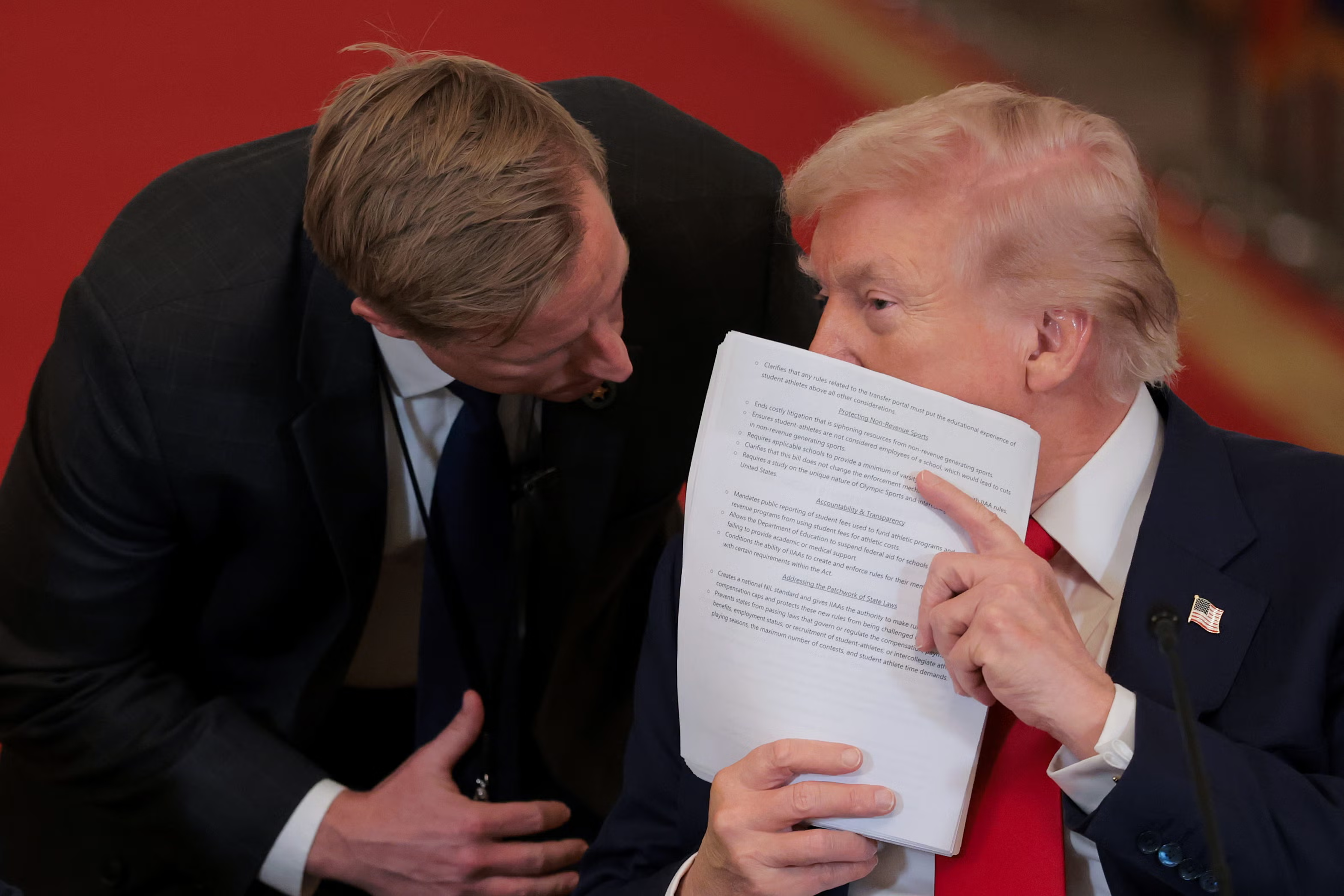
Trump himself, in an interview with NBC News, suggested he is not seriously considering a ground invasion at this moment. No decisions or orders regarding ground troop deployment have been issued.
Mixed Signals from Political Figures
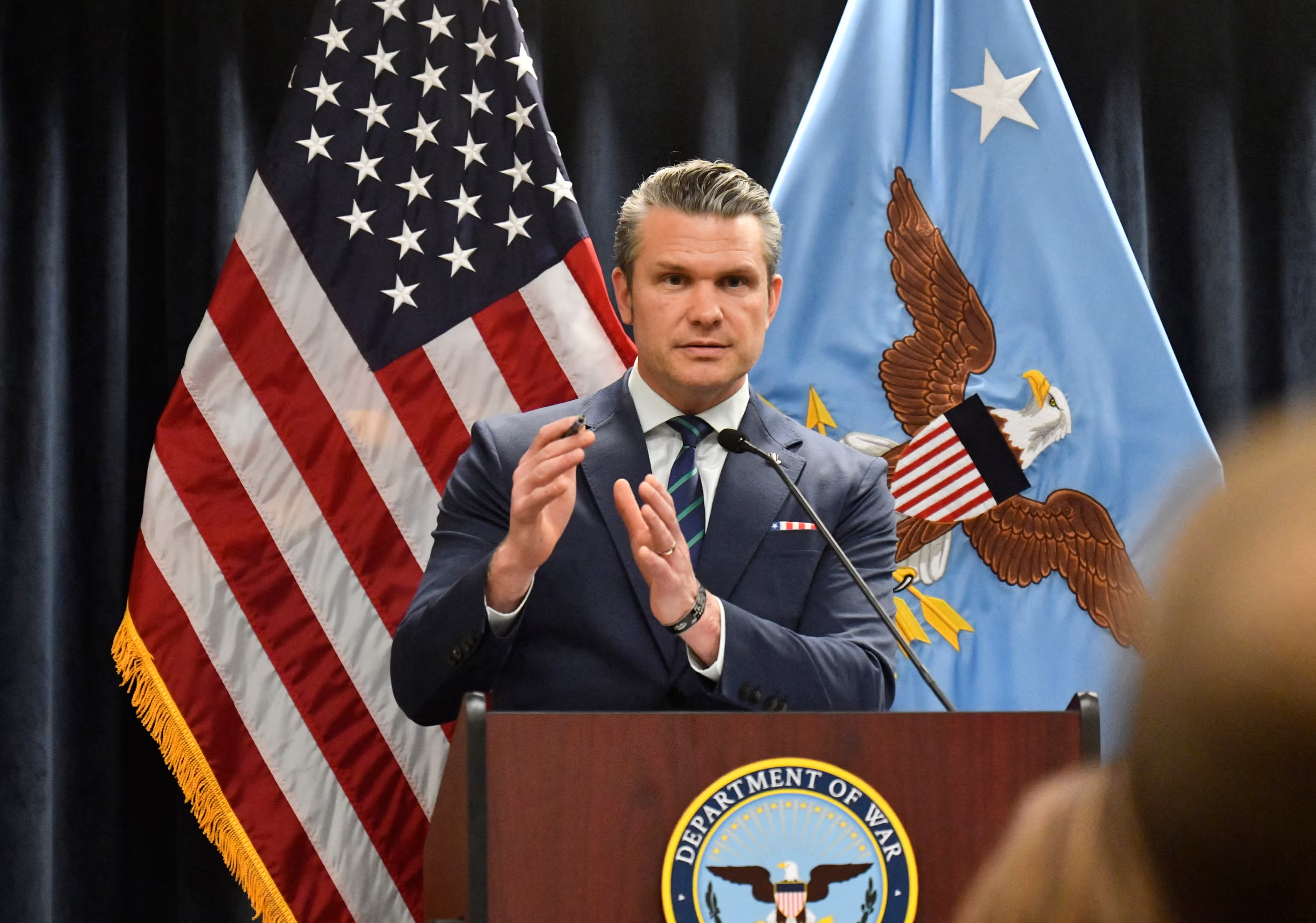
The notion of U.S. ground presence in Iran has drawn varied reactions. Senator Lindsey Graham previously stated that the U.S. would not deploy troops on the ground. However, Trump and Defense Secretary Pete Hegseth have indicated that no options are being ruled out. Democratic leaders, including Senate Minority Leader Chuck Schumer and Senator Richard Blumenthal, have expressed strong opposition and fear of further escalation and "endless nation building."
Read More: Rapper Balendra Shah beats ex-PM Oli in Nepal election
Context of the Discussions
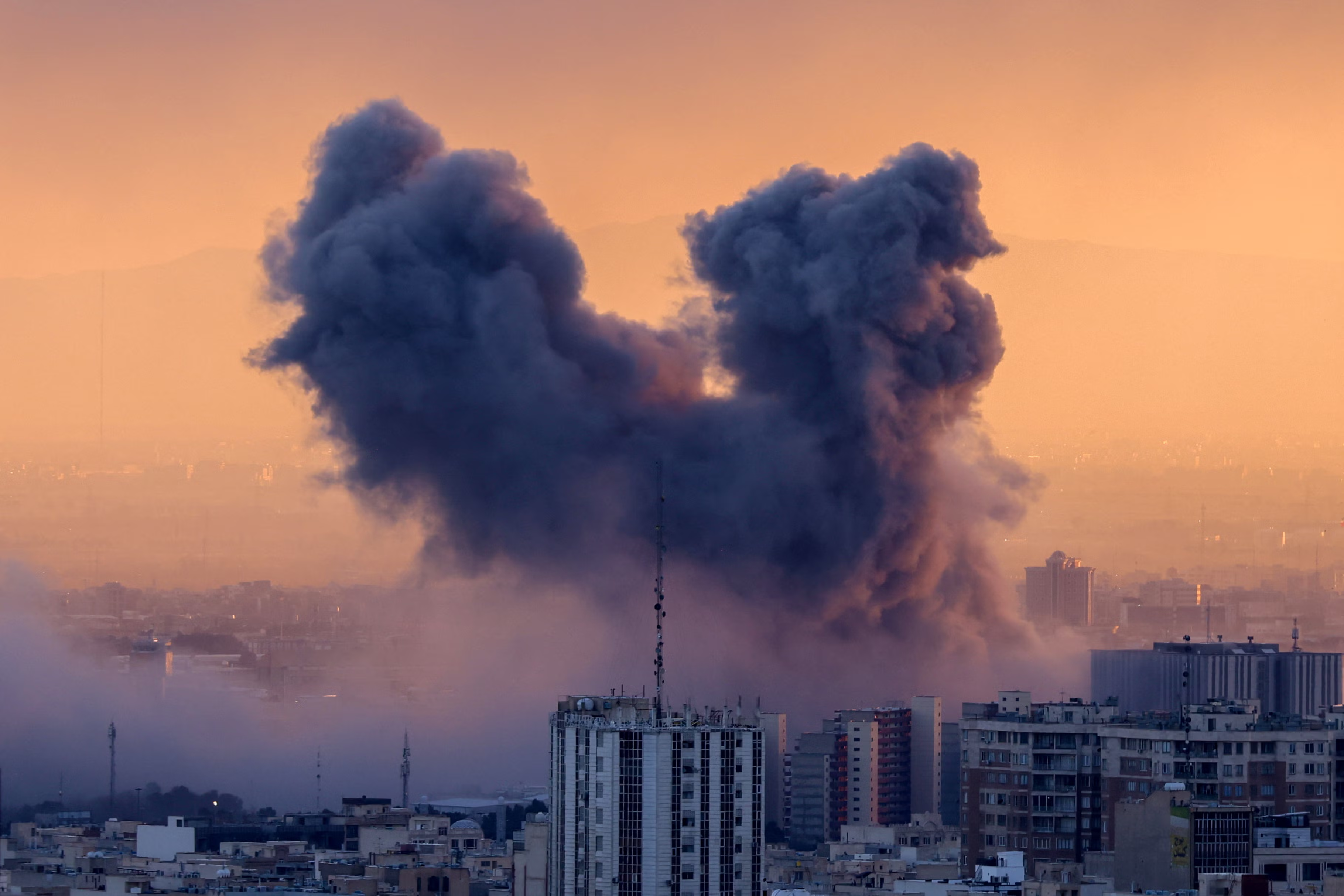
These private discussions and their public reporting emerge in the wake of recent Iranian actions, including a drone strike on Azerbaijan's Nakhchivan region. While the U.S. administration has stated openness to deploying troops "if necessary," this remains a point of contention and concern among various political factions.
Background
The United States' engagement with Iran has been a complex and often tense affair, marked by geopolitical rivalries and concerns over nuclear proliferation and regional stability. Reports of potential U.S. ground troop deployments, even in limited capacities, invariably raise specters of past military interventions in the Middle East and their protracted consequences. The specifics of the proposed "strategic purposes" and the envisioned "new Iranian regime" remain largely undefined in the public discourse, contributing to the uncertainty surrounding the situation.
Read More: Pentagon Rushes Bunker Buster Bomb Production After Iran Strikes