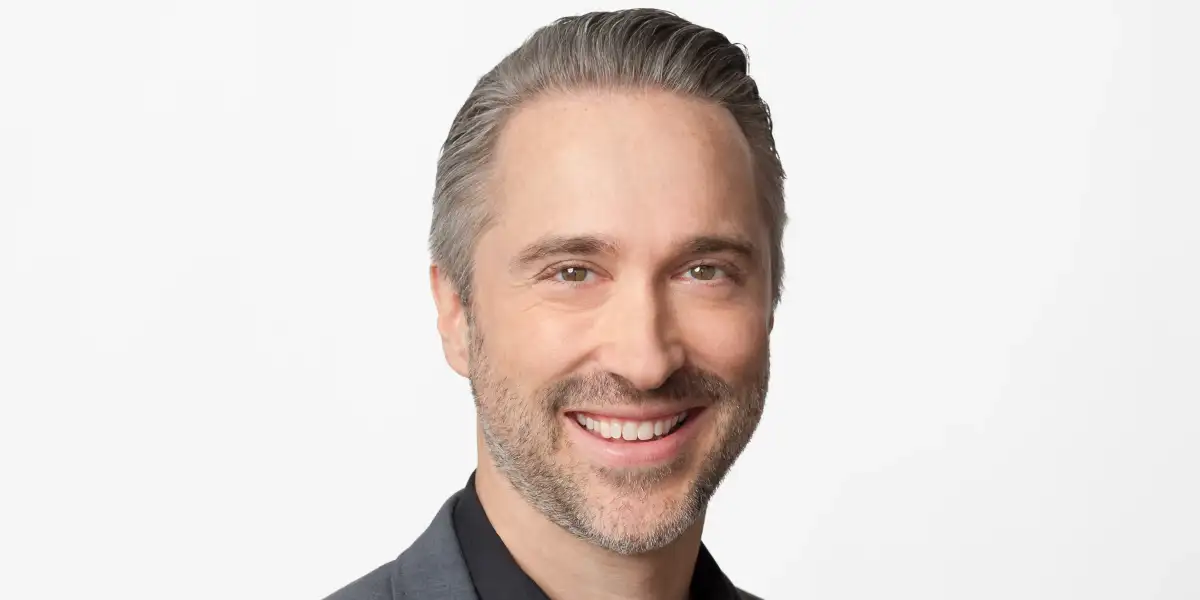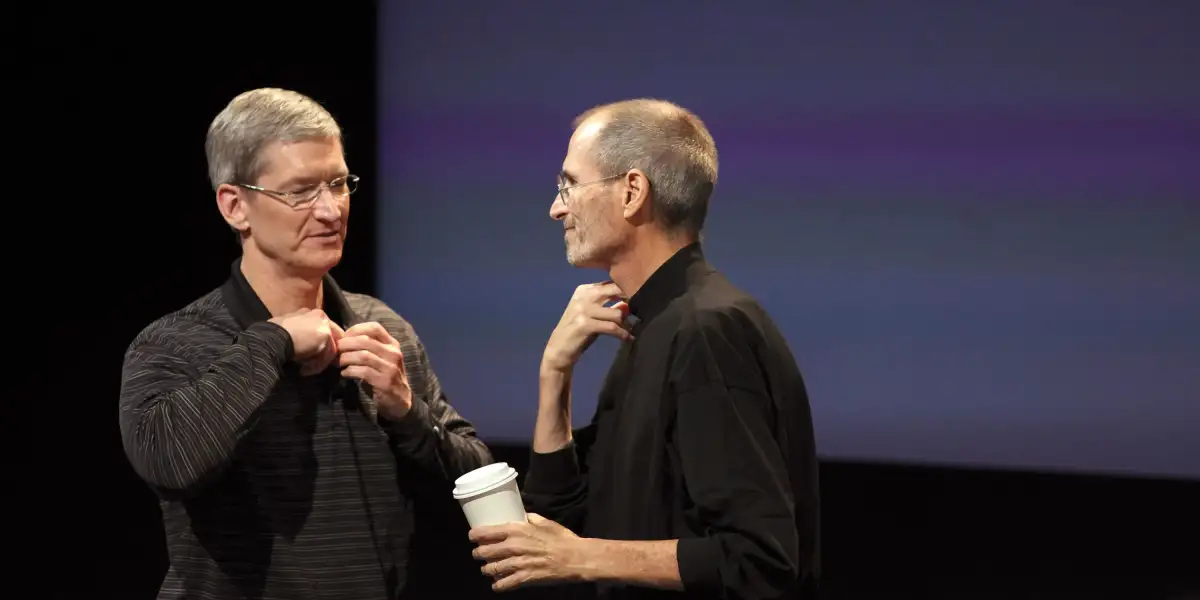
Apple CEO Tim Cook is stepping down from his leadership role on September 1, 2026, a transition marked by significant financial achievements and a reshaping of the tech giant. Cook's tenure, spanning 15 years, saw Apple transform from a successful company to the world's most valuable and profitable, with share prices reportedly delivering a 1,200 percent return. His departure from the CEO position on September 1, 2026, ushers in the era of John Ternus, who faces the considerable challenge of redefining Apple in the context of artificial intelligence and reigniting innovation.

Cook's financial success stems from astute business decisions, including the expansion of Apple's services like Apple Music and iCloud, steering customers towards subscription models, and optimizing supply chains by moving manufacturing to outside contractors. This operational efficiency dramatically reduced inventory turnover from months to mere days. His personal wealth, estimated at $2.6 billion as of December 2025, is a culmination of his Apple salary, shareholdings, and proceeds from share sales. Cook has also expressed his intention to donate the majority of his fortune to charity upon his death.
Read More: OpenAI partners with consultancies to bring AI coding tool to businesses
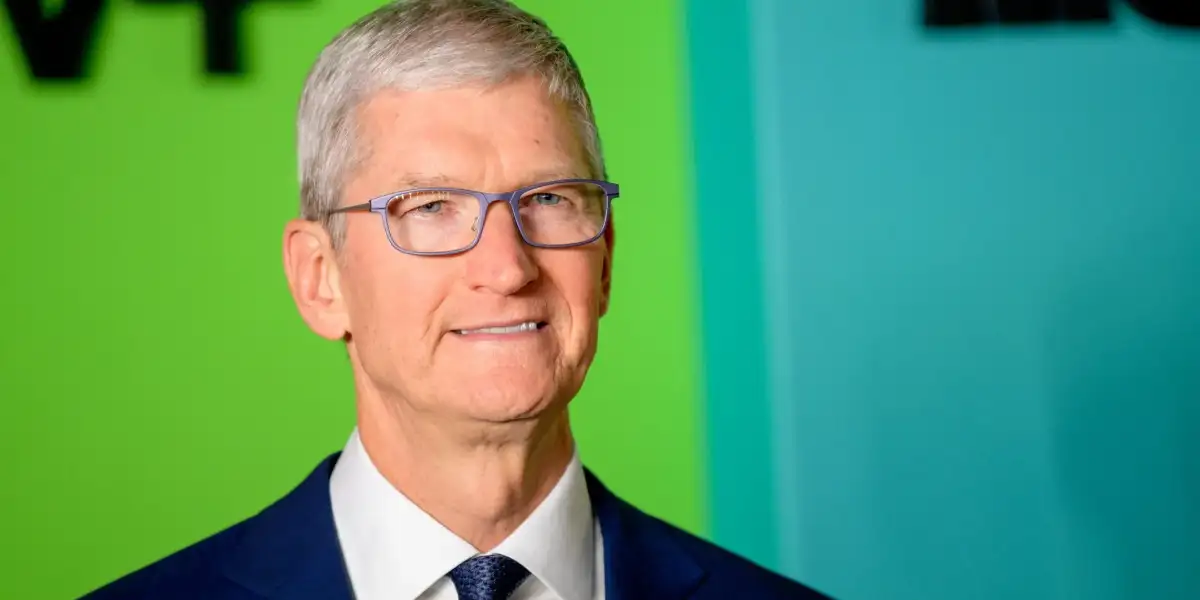
A Non-Founder's Ascent
Cook's leadership challenged the conventional Silicon Valley "founder myth." While questions about his innovative capacity compared to cofounder Steve Jobs persisted after Jobs' death, Cook’s operational mastery proved a formidable force. He is widely recognized as an exemplary case of non-founder success, building a fortune that has had a discernible impact on urban economies, notably San Francisco, through investments and revitalization initiatives. His approach has been characterized by a focus on "people, strategy, and execution," fostering a more collaborative culture at Apple, a departure from Jobs' more hands-on management style.

Shifting Dynamics and Philanthropic Stance
The transition from Cook's leadership comes as Apple navigates its AI strategy and future growth prospects. Investors are closely watching how this shift will shape the company. Notably, Cook has not shied away from challenging corporate norms; he once urged shareholders to divest if they didn't align with Apple's stance on sustainability and climate change. His personal financial decisions also reflect a unique approach, with a reported pay cut to $63.2 million for fiscal year 2023, a move initiated at his own request, further diverging from traditional executive compensation narratives.
Read More: Metro Surfers Game Offers Virtual Tours Amid World Cup Hopes
Early Life and Diverse Engagements
Cook's journey began with a humble start in Robertsdale, Alabama, where he worked jobs as a student. This early work ethic, he has stated, shaped his career trajectory. Beyond Apple, his influence extends to corporate boards, including Nike since 2005, and academic institutions like Duke University. He was also the first openly gay CEO of a Fortune 500 company. Cook's engagement with China and his past donations to political causes further illustrate a multifaceted public and business persona. His departure marks the end of an era defined by consistent financial growth and a distinct management philosophy.