Thomas Müller, having ended a 750-match employment with FC Bayern Munich, characterizes the status of association football in North America as a peripheral pursuit. Speaking to Kicker, the attacker likened the sport's cultural footprint in the USA and Canada to that of handball in Germany—a discipline with a dedicated following that remains largely invisible to the wider public. The sport exists within a "bubble" that the general population frequently fails to notice.
Following his August 2025 transfer to the Vancouver Whitecaps, Müller observes a stark contrast between European obsession and North American indifference. While the athlete seeks to instill a "culture of accountability" within the MLS squad, he acknowledges the reality of performing in his late 30s where the stakes of public scrutiny are fundamentally altered.
The Logistics of the Move
Müller’s transition from the Bundesliga to the Vancouver Whitecaps marks a departure from a career defined by thirty major titles. He now occupies a space where his presence is both a marketing utility and a tactical experiment.
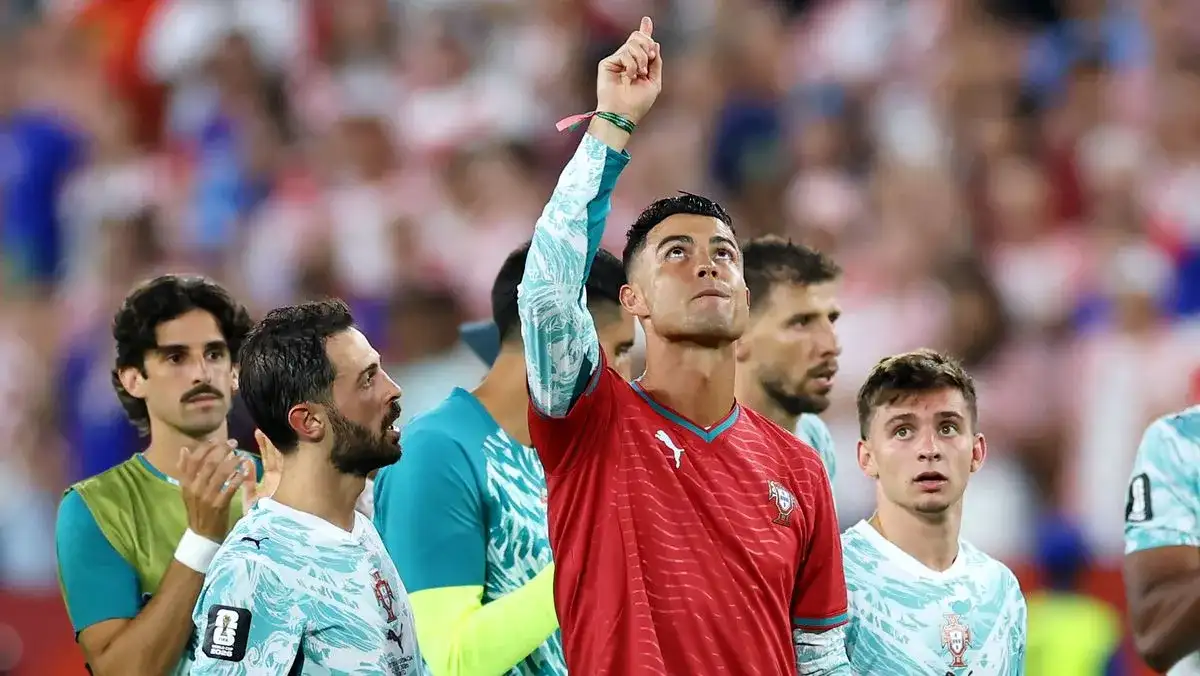
Read More: Ronaldo Honors Diogo Jota After Portugal Wins World Cup Match
The player moved to Vancouver in August 2025 after a lifetime at a single club.
He emphasizes a pragmatic approach to competition, suggesting that if a team feels they can win, they must explicitly "name it" to make it a reality.
His arrival follows a pattern of aging German players seeking a final professional stint in the North American market.
"The ranking of football is perhaps comparable to handball in Germany. The rest of the population doesn’t know the football bubble at all." — Thomas Müller via Kicker.
Comparative Career Paths
Müller is not the first high-profile export from the German top flight to attempt a translation of skills into the American system. The Bundesliga has acted as a frequent feeder for MLS franchises seeking veteran presence.
| Player | Former German Club | MLS / North American Team |
|---|---|---|
| Thomas Müller | Bayern Munich | Vancouver Whitecaps |
| Roman Bürki | Borussia Dortmund | St. Louis City SC |
| Gerd Müller | Bayern Munich | Fort Lauderdale Strikers |
| Marco Reus | Borussia Dortmund | LA Galaxy |
Professional Inertia and Influence
The transition is framed not as a retirement, but as a continuation of a specific competitive drive. Müller’s role in Vancouver involves a focus on the development of younger players, including those following the trajectory of Alphonso Davies. Despite the niche status of the sport in his new environment, the player remains preoccupied with the mechanics of winning.
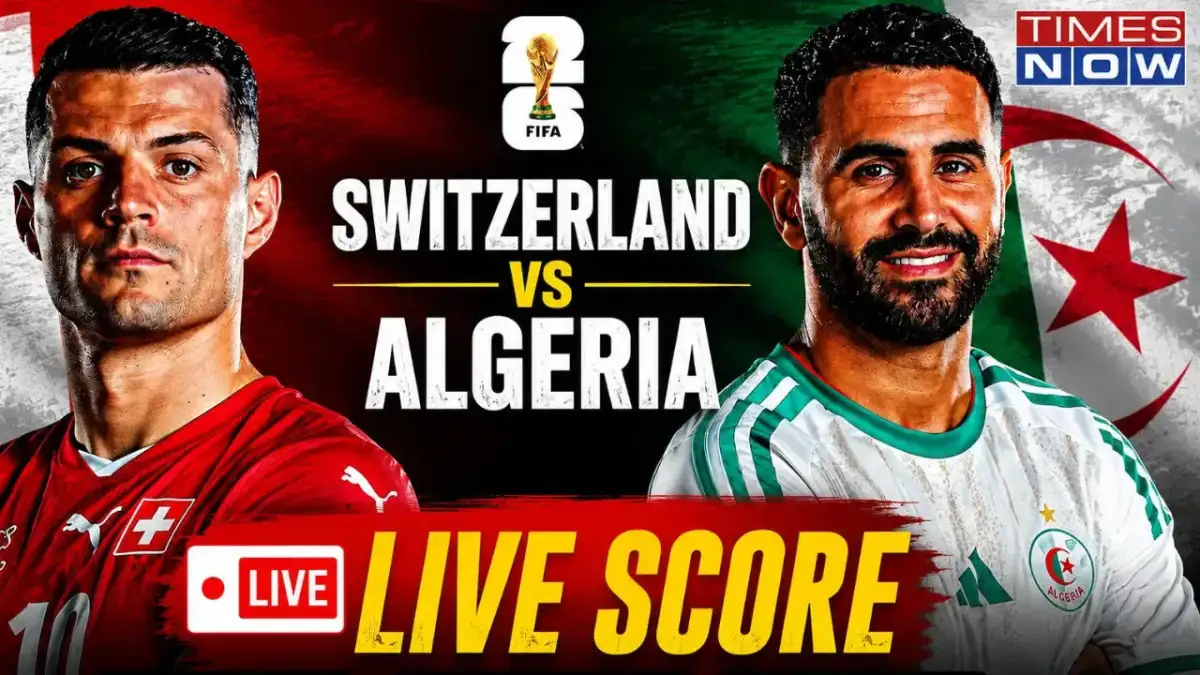
Read More: Switzerland wins 2-0 against Algeria in Vancouver World Cup match
The Whitecaps management and local supporters, colloquially termed 'Mia san Vancouver,' expect Müller to provide a template for success.
Müller has spent time acclimating to the local environment, often starting from the bench as he integrates into the team's existing dynamics.
Background: The German Pipeline
The migration of talent from the Bundesliga to North America is a well-worn route. Historically, players like Gerd Müller paved the way, scoring 38 times for the Fort Lauderdale Strikers. More recent transitions, such as Roman Bürki's move to St. Louis, highlight a trend where experienced European goalkeepers and attackers provide structural stability to newer or evolving franchises. Müller’s critique of the "football bubble" reflects the friction between his status as a global sport figure and the localized, secondary nature of the sport in the United States and Canada.