


TELANGANA's Praja Bhavan is set to distribute a "token of appreciation" to a select group of women journalists using the Central Bank Digital Currency (CBDC), also known as the 'Digital Rupee'. This initiative, tied to International Women's Day observances, involves a partnership with Union Bank of India for facilitating the transfer via a dedicated Digital Rupee wallet. Recipients were provided with instructions and a video guide for activating the digital wallet, with the expectation that the amount would be credited upon activation.
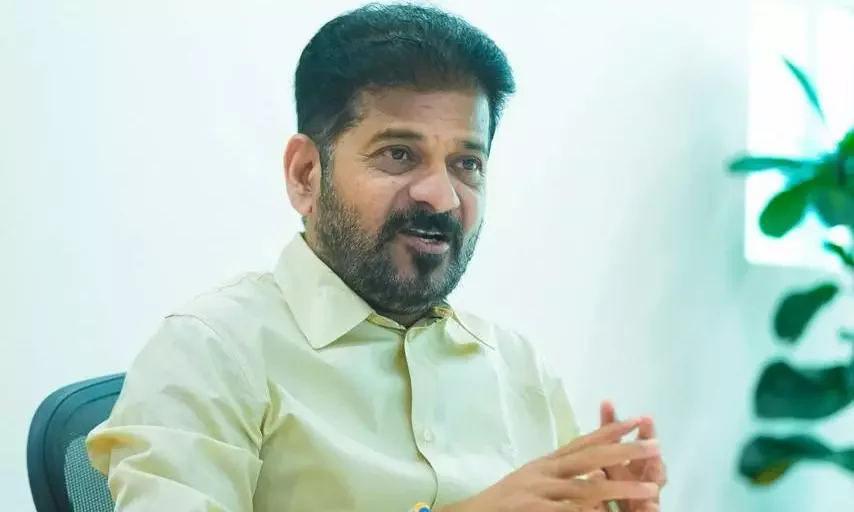
The government's foray into using the digital rupee for a tangible "appreciation" signals a practical, albeit limited, application of the CBDC beyond typical financial transactions. This move places the digital rupee directly into the hands of a specific demographic, moving it from a pilot phase concept to a method of compensation. The chosen recipients are a small, invited group, underscoring the experimental nature of this distribution.
Read More: US Oil Prices Rise to 2023 Highs, Fed Faces Inflation vs Jobs Dilemma

A Broader Rollout
The Reserve Bank of India (RBI) currently has 19 banks participating in its pilot program for the CBDC, with more slated to join shortly. Banks like IDFC First Bank, Yes Bank, HDFC Bank, Union Bank of India, Bank of Baroda, Kotak Mahindra Bank, Canara Bank, Axis Bank, PNB, Federal Bank, Karnataka Bank, Indian Bank, Bank of Maharashtra, Bank of India, and UCO Bank are offering CBDC wallets to users. This indicates a systemic push to integrate the digital rupee into the banking infrastructure.

Digital Welfare and Financial Innovation
This isn't the first instance of digital currency intersecting with social welfare. In Odisha, the 'Subhadra Yojana' has incorporated technological advancements for fund disbursement. Under this scheme, eligible women beneficiaries receive financial assistance disbursed in instalments. The program has been highlighted for its use of technology in delivering government-backed welfare, with initiatives like 'Suna Subhadra', 'Kuha Subhadra', and 'Subhadra Setu' aiming to empower women financially and digitally. The 'Subhadra Yojana' dispenses Rs 50,000 to beneficiaries over five years, distributed as Rs 10,000 annually in two instalments.
Read More: Hume AI's New TADA Model Makes Speech Faster and More Natural
Redefining Monetary Architecture
The Digital Rupee represents more than just an electronic wallet; it’s framed as a 'new logic embedded in money'. Its proponents suggest it can "rewire how people think about money" and is a "strategic evolution of India’s monetary architecture". The e-Rupee functions as a digital token for money, carrying "embedded intelligence" that differentiates it from existing payment systems like UPI, NEFT, and RTGS. Questions remain regarding its accessibility, such as whether a bank account is required for transactions and its availability outside of banking hours.