A recent surge in online discussions highlights a growing divide between employee expectations and employer practices concerning salary adjustments, promotions, and overall workplace fairness in the technology sector. Viral posts detailing significant pay increases juxtaposed with instances of stagnant wages or sudden layoffs are fueling a widespread debate on compensation, transparency, and company culture. These narratives, primarily emerging from platforms like Reddit and LinkedIn, suggest a palpable tension in how tech professionals perceive their value and the reliability of their career progression.
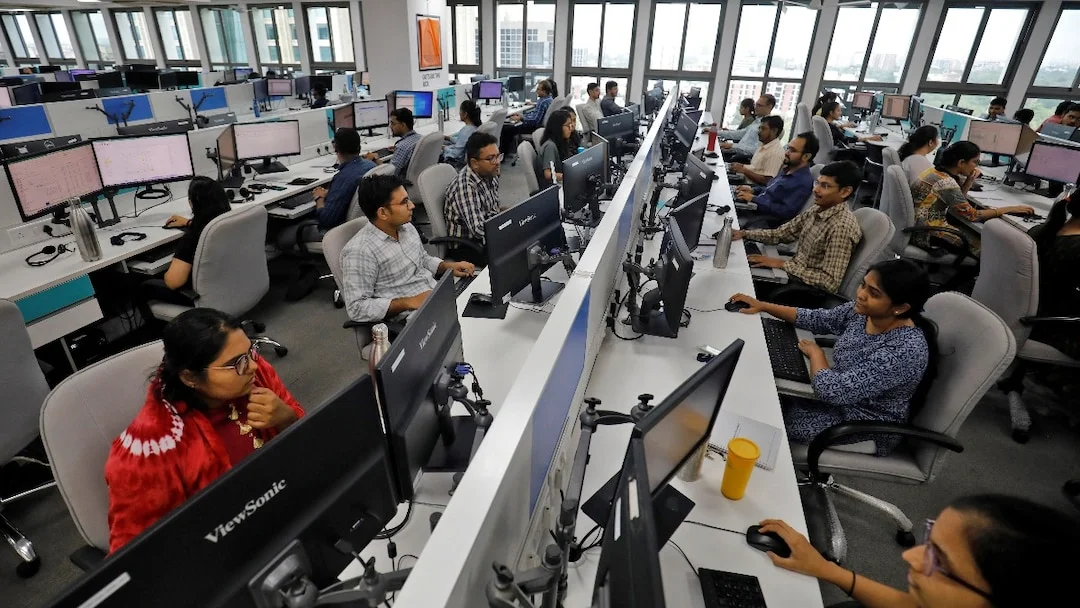
Shifting Sands of Salary Growth and Workplace Realities
The technology industry, often characterized by rapid advancements and high demand for skilled labor, is currently experiencing a wave of employee-generated content that challenges traditional notions of compensation. These shared experiences, while anecdotal, are resonating with a broad audience, prompting introspection and debate on fundamental aspects of employment.
Read More: New Car Safety Rule: Sensors to Detect Drunk Drivers

Positive Anomalies: Some employees report exceptionally rapid salary growth. One software engineer detailed receiving a 100% salary hike within four months of joining a new company, a situation widely perceived as a positive outlier in the current climate. This sparked curiosity among recent graduates and those early in their careers, particularly concerning salary progression in service-based IT firms.
Stagnation and Deception: Conversely, numerous accounts illustrate significant disappointment. A tech professional shared an experience of working extended hours, until 1 AM, while their regular shift ended at 8 PM, in anticipation of a promotion and raise. Despite consistent performance over four years, their manager allegedly offered only false assurances, leading to a 0% hike. This sentiment of being misled by management is a recurring theme.
The Cost of High Raises: In other instances, substantial pay increases have been followed by unexpected job insecurity. One tech worker received a 55% raise but was laid off just a month later. The irony was amplified by the fact that the company was no longer hiring for the role they were hired for, raising questions about the initial hiring and subsequent termination decisions.
Global Economic Factors and Pay Disparities
The discourse extends beyond individual companies, touching upon broader economic trends and international comparisons. Discussions often involve the United States tech market, where concerns about wage gaps and outsourcing are prominent.
Read More: AI Changes Many Jobs Around the World

US Market Dynamics: A candid discussion on Reddit highlighted comparisons between salaries in the US tech sector and those in other professions, as well as other countries. The argument posited that US software salaries are disproportionately high relative to the perceived entry barrier into the field.
Cost of Living vs. Global Salaries: User commentary frequently points to the high cost of living in the US as a significant factor. This makes accepting salaries that might appear uncompetitive when viewed from an international perspective a necessity for those residing there. The debate touches upon potential solutions, including accepting lower salaries, limiting outsourcing, or addressing economic pressures.
Gig Economy Concerns: A piece flagged as "low priority" but concerning January 2026 indicates a broader governance issue around potential wage theft within gig platforms, suggesting that issues of fair compensation are not confined to traditional employment structures.
Workplace Culture and Compensation Transparency
Beyond monetary figures, the human element of workplace interactions and the transparency of pay structures are emerging as critical factors influencing employee satisfaction and retention.
Read More: Joseph Holt Brewery Celebrates Oasis Reunion with Special Events and Community Support

Culture Over Compensation: In a notable LinkedIn post, a woman declined a 35% salary hike due to a negative interview experience. She stated, "I earn less, but I sleep better," emphasizing that a respectful and valuing workplace culture can outweigh financial incentives. She ultimately accepted a role with a smaller company offering lower pay but a more positive environment.
Pay Transparency and Retaliation: An incident involving an employee who allegedly had a promised 21% salary hike reduced after discussing their compensation with a coworker has ignited debate about pay transparency. Critics argue that penalizing such discussions perpetuates unequal pay. Experts warn that discouraging salary conversations may infringe upon labor laws, and highlight the risks associated with verbal offers lacking formal documentation.
Productivity and Perceived Fairness: Research suggests that while overall employee productivity does not decrease when companies adopt pay transparency, individual responses can vary. When employees perceive their pay as unfair compared to peers, it can influence their work output. This individualized response underscores the psychological impact of salary comparisons.
Expert Insights and Emerging Trends
Analysts and researchers are observing these trends, offering perspectives on the underlying economic and social forces at play.
Read More: Why Cars Have Blank Buttons and What You Can Do
"When companies go public with salary information, the average productivity of their employees does not decline. 'Overpaid' faculty increased productivity regardless of rank." — Strategic Management
Individual Perception Matters: Studies indicate that while aggregate productivity remains stable with pay transparency, individual workers' perceptions of fairness significantly influence their job satisfaction and potential adjustments in work effort. This suggests a complex interplay between objective compensation and subjective employee experience.
Legal Protections and Verbal Agreements: Experts emphasize that while wage discussions are legally protected in some jurisdictions, verbal salary offers carry limited weight without formal, documented confirmation. This highlights the importance of clear and written employment contracts.
Broader Push for Transparency: The incidents occur within a global context of increasing demand for pay transparency, with various regions and companies implementing disclosure norms to address pay parity and historical wage gaps.
Conclusion: A Landscape of Contradictions and Evolving Expectations
The current environment in the tech sector is characterized by stark contrasts: significant salary increases exist alongside frustrating stagnation, and rapid job changes are driven by both career advancement and workplace dissatisfaction. The viral nature of these personal accounts suggests a collective yearning for clearer communication, fair compensation, and a more humane approach to employee management.
Read More: Goldman Sachs' Top Lawyer to Leave Over Epstein Connection
The debate underscores several key areas for stakeholders to consider:
The fragility of verbal agreements: The risks associated with unwritten compensation promises require diligent HR practices and clear contractual terms.
The impact of workplace culture: Beyond salary, the treatment of employees during hiring and throughout their tenure significantly influences their career decisions.
The evolving conversation around pay transparency: Whether driven by regulation or employee advocacy, greater openness about compensation is becoming a significant factor in attracting and retaining talent.
The global economic context: International salary disparities and cost-of-living differences continue to shape perceptions and expectations within the tech workforce.
Moving forward, continued analysis of these narratives will be crucial for understanding the evolving dynamics of employee expectations and employer responsibilities in the technology industry.
Sources Used:
Timesnownews.com: Article detailing a 100% salary hike within 4 months and its impact on discussions about service-based IT firms.🔗 https://www.timesnownews.com/viral/techie-gets-100-salary-hike-within-4-months-of-joining-new-company-viral-post-sparks-debate-article-152955247
Business Today: Report on the debate surrounding software developer salaries in the US, outsourcing, and the wage gap with other professions and countries.🔗 https://www.businesstoday.in/latest/trends/story/a-tough-pill-to-swallow-for-it-people-viral-social-media-post-sparks-debate-on-software-salaries-494088-2025-09-15
News18.com: Account of a techie receiving 0% hike despite working extensive overtime, leading to discussions about trust in managers.🔗 https://www.news18.com/viral/worked-till-1-am-got-0-hike-techies-never-trust-managers-post-sparks-online-debate-ws-bel-9599563.html
TechStory.in: Story of a young engineer securing a role with ₹12 LPA and receiving an increment within 10 months, before ultimately exiting.🔗 https://techstory.in/when-salary-comparisons-go-viral-a-young-engineers-story-sparks-career-debate/
The Economic Times: Report on a techie who received a 55% hike but was laid off after a month, raising questions about hiring rationale.🔗 https://economictimes.indiatimes.com/news/new-updates/trying-to-make-sense-of-it-techie-gets-55-hike-then-laid-off-after-a-month/articleshow/123507025.cms
Republic World: Incident where an employee's promised 21% salary hike was reduced after discussing pay with a coworker, sparking debate on pay transparency and retaliation.🔗 https://www.republicworld.com/world-news/employee-loses-21-salary-hike-after-discussing-pay-with-co-worker-hr-cuts-raise-internet-calls-it-backstabbing
The Indian Express: An account of a woman declining a 35% salary hike due to a rude interview experience, prioritizing workplace culture over higher pay.🔗 https://indianexpress.com/article/trending/trending-in-india/woman-turns-down-35-percent-salary-hike-after-rude-interview-experience-sparks-debate-on-workplace-culture-10345609/
Strategic Management (SMS): Research indicating that pay transparency does not lower productivity, but individual responses reflect perceptions of fairness.🔗 https://www.strategicmanagement.net/publications-resources/strategic-management-explorer/pay-transparency-doesnt-lower-productivity-but-individual-responses-illuminate-workers-sense-of-whats-fair/
Hacker News: Discussion from February 2022 regarding six-figure tech salaries and why some professionals still feel underpaid.🔗 https://news.ycombinator.com/item?id=31336086