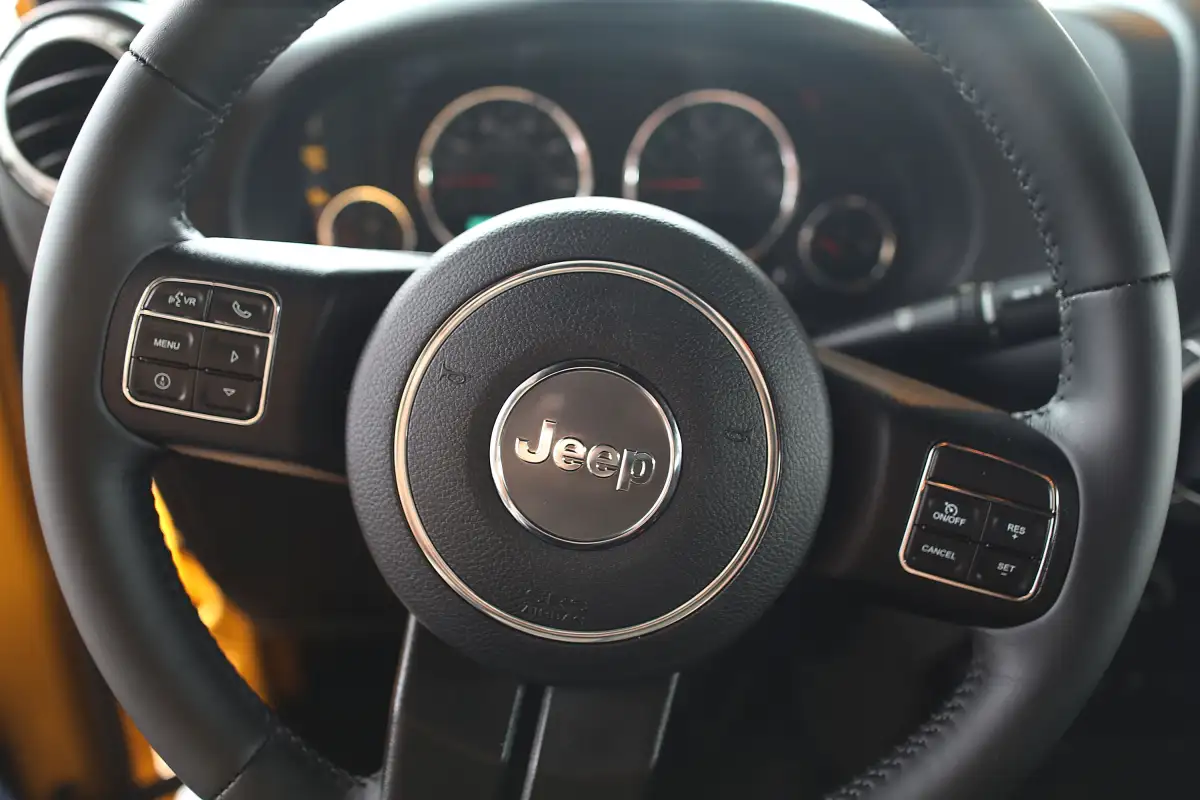
Many car owners encounter blank buttons, often located on the dashboard or steering wheel. These seemingly unused spaces, sometimes referred to as "poverty buttons," serve a dual purpose: they can be a canvas for aftermarket enhancements or a direct result of a manufacturer's cost-saving strategy. The question arises whether these blanks represent untapped potential for drivers or simply represent features that were omitted for a lower vehicle price.
Automakers use these blank buttons to fill empty spaces in a car's interior trim. This approach is cost-effective because it allows manufacturers to use the same dashboard or console pieces across different models, regardless of the specific features equipped. For buyers, especially of higher-end vehicles, a surplus of these blanks might subtly highlight the options they did not select, a point that has been noted with some German sports cars.
Read More: Tesla Model Y L 6-Seater US Launch Date and Price Details
The Origin of Blank Buttons
The presence of blank buttons is largely driven by manufacturing efficiencies. By using a common set of interior panels for various vehicle trims, car companies can reduce production costs.
Standardized Trim: Manufacturers produce interior panels with pre-cut openings for a wide range of potential features.
Feature Packages: If a particular feature, like heated rear seats or advanced cruise control, is not part of a car's chosen options package, the corresponding button opening remains blank.
Cost Reduction: This strategy eliminates the need to design and produce unique panels for every single vehicle configuration.
Aftermarket Customization and Blank Buttons
Beyond their origin, blank buttons offer opportunities for drivers to add functionality to their vehicles through aftermarket modifications.
Accessory Control: These blanks can be repurposed to control added features such as aftermarket ambient lighting or a subwoofer potentiometer. For instance, a button could be wired to turn on custom interior lighting.
Integrated Electronics: Enthusiasts have integrated devices like garage door openers by carefully wiring custom buttons to the opener's existing circuitry, effectively hiding the opener within the car's console.
Indicator Lights: In some cases, blank spaces have been utilized for indicator lights, such as a low windshield wiper fluid warning, which was not a standard feature on the particular vehicle.
Perceived Value and Consumer Response
The perception of blank buttons varies among car owners. For some, they are seen as missed opportunities or a visual reminder of optional extras not purchased.
"Poverty Buttons": The term "poverty buttons" emerged, suggesting that their presence is tied to less expensive or base models that lack certain features.
Buyer Expectations: In premium vehicles, a significant number of blank buttons can lead to buyer disappointment, especially if the car is marketed as high-end.
Creative Solutions: Conversely, some drivers embrace these blanks as a challenge, finding inventive ways to add utility or personalization. Suggestions range from purely decorative elements, like glitter stickers, to practical additions like a defrost button where none was originally present.
Expert Analysis
The use of blank buttons is a common practice in the automotive industry, rooted in the need for streamlined manufacturing processes.
"Automakers strive for economies of scale. Utilizing the same dashboard or center console components across multiple trim levels and even different models significantly reduces tooling and production costs. Blank button covers are a simple and inexpensive way to finish off these openings when a particular feature isn't optioned on a specific vehicle." - Automotive Industry Analyst
This approach, while efficient for manufacturers, can sometimes create a disconnect with consumer expectations, particularly in segments where feature-richness is a key selling point.
Conclusion
Blank buttons within a car's interior are primarily a result of manufacturing cost-saving measures, allowing for the use of standardized interior components. While they can be perceived negatively by some consumers as indicators of missing features, they also present a viable and often cost-effective avenue for aftermarket customization. Drivers have demonstrated ingenuity in repurposing these blanks to control a variety of added accessories, from lighting to garage door openers, thereby enhancing their vehicle's functionality beyond its original specifications. The ongoing debate centers on whether this manufacturing choice ultimately detracts from the perceived value of a vehicle or provides a valuable opportunity for personalization.
Read More: Chrome mimeHandler API lets extensions handle file types
Sources Used
HowToGeek: Details on repurposing blank buttons for aftermarket accessories like ambient lighting and subwoofer controls.🔗 https://www.howtogeek.com/things-you-can-do-blank-buttons-inside-your-car/
SlashGear: Explains the manufacturing rationale behind "poverty buttons" and their presence in high-end cars.🔗 https://www.slashgear.com/1846491/poverty-blank-buttons-use-explained-what-for/
Jalopnik: Presents user suggestions for what drivers would do with blank buttons, including decorative and functional ideas.🔗 https://jalopnik.com/this-is-what-you-would-make-your-cars-poverty-buttons-d-1851622709/
ClubWRX.net: Forum discussion about blank buttons and ideas for making them functional.🔗 https://www.clubwrx.net/threads/blank-buttons.134620057/
CRVOwnersClub.com: A user shares their experience of adding a custom garage opener button and a wiper fluid indicator light into blank switch locations.🔗 https://www.crvownersclub.com/threads/blank-switches-ideas.241425/