The latest buzz around Canadian singer Tate McRae isn't about her chart-topping hits, but about a controversial ad. She appeared in a promotional video for Team USA's upcoming Olympic campaign, sparking a firestorm of accusations: "traitor," "betrayer," and "selling out." But is this a calculated move, a genuine misstep, or simply a symptom of a more complex relationship between Canada and the United States? As a free-thinker, I aim to dissect the layers, look beyond the immediate outrage, and ask the tough questions no one else seems to be.
The Spark: An Ad, An Owl, and Accusations of Betrayal
The controversy ignited after a promo for NBC's coverage of the Winter Olympics aired, featuring Tate McRae, a proud Canadian born and raised in Calgary, Alberta. In the ad, she’s seen on a snowy slope, humorously asking an owl for directions to Milan, the event's location, all while her song "Nobody's Girl" plays. The intent, presumably, was to generate excitement for the Games. However, for a significant portion of her Canadian fanbase, it translated into an apparent endorsement of a rival nation over her own.
Read More: Arc Raiders Game Is Very Popular After Launch
The Core Issue: McRae, a Canadian, appearing to champion the American Olympic team.
The Fan Reaction: A swift and vocal backlash on social media, with many Canadians feeling a sense of betrayal.
McRae's Response: She addressed the criticism on her Instagram Story, stating, "Y'all know I'm Canada down," a phrase intended to reassure fans of her national allegiance. She also playfully suggested she was simply trying to get to the opening ceremony and meet Team USA.
But is this enough? Does a casual remark on Instagram truly mend the rift, or does it merely put a band-aid on a deeper wound? The stakes here are not just about a pop star's endorsement; they touch upon national identity, the nuances of cross-border artistic careers, and the often-frayed relationship between Canada and the United States.
Read More: Olympic Games Have Many Controversies and Scandals
A History of "Canadian" Ambiguity: Beyond McRae
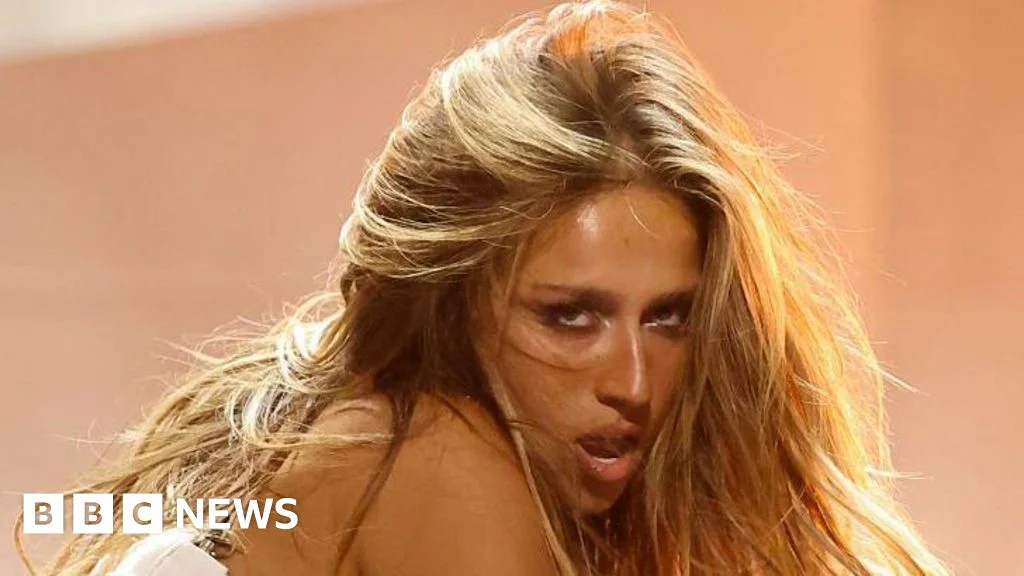
It's crucial to understand that Tate McRae isn't the first Canadian artist, athlete, or public figure to find themselves under scrutiny for perceived allegiances. The relationship between Canada and the U.S. is a complex tapestry, woven with threads of shared culture, fierce competition, and lingering political tensions.
The "Canadian" Brand: For years, Canadian artists have navigated a dual identity. They often build their careers in the American market, the larger and more lucrative of the two. This has historically led to situations where their Canadianness is both a point of pride and, at times, an inconvenient detail when pursuing global success. Think of artists who might sing about Canadian life but find their biggest audiences south of the border.
Economic Realities: The entertainment industry is largely U.S.-centric. For artists like McRae, whose music career has largely been based in the U.S., commercial opportunities like an NBC Olympics ad, even for Team USA, might be viewed as simply part of the job, a lucrative avenue for exposure.
Is it fair to expect artists to always prioritize national sentiment over professional opportunity?
Where is the line between business and perceived disloyalty?
Political Undercurrents: As noted in the CBC report, the current political climate, marked by past tensions with figures like former U.S. President Donald Trump and ongoing trade discussions, has amplified the focus on distinguishing Canadian culture and sovereignty. This makes incidents like McRae's ad more potent, resonating with broader anxieties about Canadian identity in the face of American influence.
Read More: High on Life 2 Game Is Out, People Talk About Its Funny Jokes and New Skateboard Moves
The history of Canadian artists operating within the U.S. market creates a fertile ground for such controversies, where professional opportunities can easily be misconstrued as political statements.
McRae's Canadian Roots: More Than Just a Birthplace?
McRae's connection to Canada is more than just a line on a Wikipedia page. Born in Calgary, Alberta, she attended high school there and has publicly expressed her love for her home country. Her association with Canadian culture is not new.

Public Declarations of Canadian Identity: McRae has frequently referenced her Canadian roots.
She has openly spoken about her affection for ice hockey.
She has been seen supporting her home team, the Calgary Flames, alongside her family.
Career Trajectory: Despite her Canadian upbringing, her music career has blossomed in the United States. This is a common path for many Canadian artists seeking broader reach and professional development.
How much weight should her formative years and public expressions of love for Canada carry against a single advertising appearance?
Does spending significant time building a career in the U.S. fundamentally alter one's Canadian identity in the eyes of some fans?
Read More: Finnish Ski Jumping Coach Sent Home From Olympics For Alcohol Issue
This duality—a proud Canadian artist with a career largely forged in the U.S.—is the very crux of the issue. It’s not a simple case of someone abandoning their country; it's about the complexities of a modern, globalized career.
The "Payday" Argument and the Limits of Artistic Freedom
A recurring theme in the online discourse is the idea that McRae’s appearance in the Team USA ad was purely about financial gain. Comments like "Who cares how you get a payday!!" capture this sentiment.
The Financial Imperative: The music industry, particularly at McRae's level, is a business. Advertising partnerships are a significant revenue stream. NBC, as the broadcaster for the Olympics in the U.S., would be seeking broad appeal, and a popular young artist like McRae fits that bill.
Artist's Agency vs. Fan Loyalty: This raises a fundamental question about artistic freedom versus the expectations of a fanbase.
Do fans have a right to dictate which commercial ventures an artist undertakes, especially if those ventures are perceived as being against national interests?
Conversely, can an artist, while pursuing professional opportunities, ignore the potential impact of their choices on their core audience, particularly when that audience feels a strong sense of national pride?
Broader Industry Trends: It’s worth noting that McRae isn't the only non-American celebrity tapped by NBC to support Team USA. This suggests a strategic approach by the broadcaster, aiming to leverage international stars for wider viewership.
If other international artists are doing similar promotions, why is McRae facing such intense scrutiny? Is it her age, her explicit Canadian identity, or something else?
Read More: Elizabeth Hurley and Billy Ray Cyrus Share Their Story
The "payday" argument highlights the tension between an artist's professional necessities and the emotional investment fans have in their national identity.
Probing the "Team USA" Angle: Was it Targeted or Accidental?
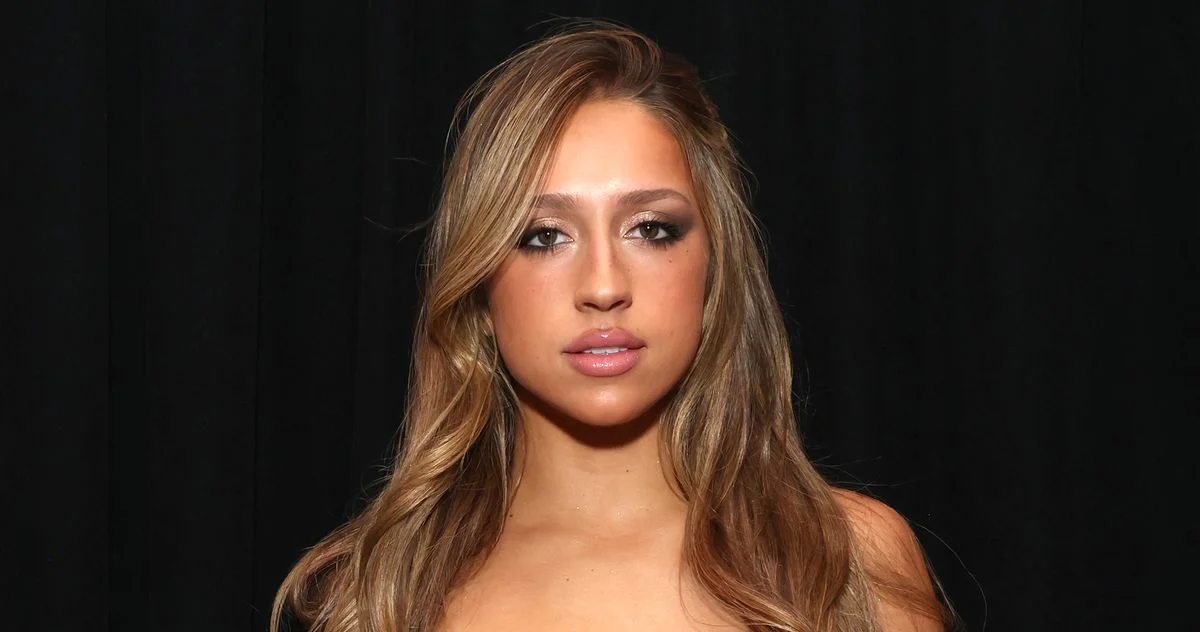
The specifics of the ad itself warrant a closer look. Was McRae’s involvement a deliberate choice by NBC to feature a Canadian promoting the U.S. team, or was it simply a matter of casting a popular artist without deep consideration for her nationality's implications?
The Ad's Content: The ad is described as featuring McRae on a ski slope asking an owl for directions to Milan, with her song playing. It's a whimsical, promotional piece.
Does the ad itself explicitly suggest she is supporting Team USA, or is that an interpretation based on the context of her appearing in a U.S. Olympic promo?
Were there alternative Canadian artists available and considered for a potential "Team Canada" promotion that NBC might have run?
NBC's Role: As the U.S. broadcaster, NBC's primary objective is to promote the U.S. Olympic team to an American audience.
Did NBC anticipate the backlash? If so, was it a calculated risk or an oversight?
How much creative control did McRae have over the ad's concept and messaging?
McRae's Previous Statements: She has since clarified, "Y'all know I'm Canada down." This implies her intent was never to undermine her Canadian identity.
If she felt this clarification was necessary, does that suggest the ad's framing was indeed problematic or open to misinterpretation?
What specific actions or statements from NBC or McRae would have alleviated fan concerns from the outset?
Read More: Ukrainian Skeleton Racer Removed from Olympics for Helmet Tribute
The framing of the ad and NBC's casting strategy are key factors that could have either exacerbated or mitigated the controversy.
Expert Perspectives: Navigating National Identity in the Spotlight
Cultural commentators and analysts weigh in on the complexities of such situations, often highlighting the unique dynamic between Canada and the United States.
Dr. Anya Sharma, a cultural sociologist specializing in Canadian identity:
"This isn't just about Tate McRae. It's about the ongoing conversation in Canada regarding cultural sovereignty and the pervasive influence of American media. When a prominent Canadian artist, especially one who has publicly embraced her Canadian roots, appears to endorse an American national team, it touches a nerve. Fans feel a sense of shared identity, and a perceived deviation from that can feel like a personal slight, amplified by the historical context of U.S.-Canada relations."
Read More: Richard Osman Shares How Health Issues Shape His Work
Mark Jenkins, a sports marketing analyst:
"From a purely marketing standpoint, NBC would have looked at Tate McRae's popularity and her reach. The Olympics is a massive global event, and they'd want to tap into trending artists. Whether they adequately considered the nationality of their talent for this specific promotion is questionable. Often, the focus is on reach and engagement, with less emphasis on the geopolitical sensitivities unless they're unavoidable."
The Aftermath: A Plea for Nuance in a Polarized World
Tate McRae's response, while aiming to quell the storm, highlights the tightrope many Canadian public figures walk. The accusation of being a "traitor" is extreme, especially for a young artist whose career has largely been built on her talent and music.
The Verdict on "Traitor": Labeling her a "traitor" seems a disproportionate response. It ignores the economic realities of the entertainment industry and the potential for genuine artistic intent.
The Importance of Context: It’s easy to cast judgment from afar, but understanding the nuances of cross-border careers, media influence, and individual professional choices is vital.
What Comes Next? McRae has made her allegiance clear, but the incident leaves a lingering question: how can Canadian artists navigate global platforms without alienating their home base?
Read More: Ilia Malinin Does Olympic Backflip, But It Doesn't Get Points
Ultimately, this controversy serves as a potent reminder of how deeply national identity is intertwined with public perception, especially in the age of social media, where a single advertisement can ignite a firestorm of complex, often emotional, debates. The expectation for artists to be flag-bearers, even in commercial endeavors, remains strong, forcing a perpetual negotiation between personal ambition and public duty.
Sources:
CBC News: https://www.cbc.ca/news/entertainment/tate-mcrae-olympics-ad-response-9.7076070
Fox News: https://www.foxnews.com/sports/canadian-pop-star-tate-mcrae-responds-fan-backlash-over-team-usa-support-olympics-ad
Globalnews.ca: https://globalnews.ca/news/11653934/tate-mcrae-olympics-team-usa-canada-ad-backlash/
Billboard: https://www.billboard.com/music/music-news/tate-mcrae-criticism-team-usa-olympics-ad-canadian-1236173716/
Vulture: https://www.vulture.com/article/tate-mcraes-usa-olympics-promo-accused-of-canada-betrayal.html