


Chennai – Tamil Nadu Chief Minister M.K. Stalin has initiated a significant statewide agitation, including the symbolic burning of copies of the proposed Delimitation Bill. He describes the legislation as a "carefully crafted trap" and a "black law" that threatens to disenfranchise Tamil people, likening the situation to making them "refugees in their own land." Stalin’s protest, marked by the hoisting of black flags and fiery rhetoric, aims to galvanize resistance against what he and his party, the DMK, perceive as a move designed to diminish the political voice of southern states in favour of northern ones.

The core of the opposition rests on the argument that a delimitation exercise based on current population figures, following an increase in Lok Sabha seats, will disproportionately benefit states with higher population growth. This, Stalin contends, will dilute the representation of southern states like Tamil Nadu, which have demonstrably controlled population growth through successful family planning initiatives.
Read More: Taiwan Holds Nantou County Drills to Prepare for State Collapse
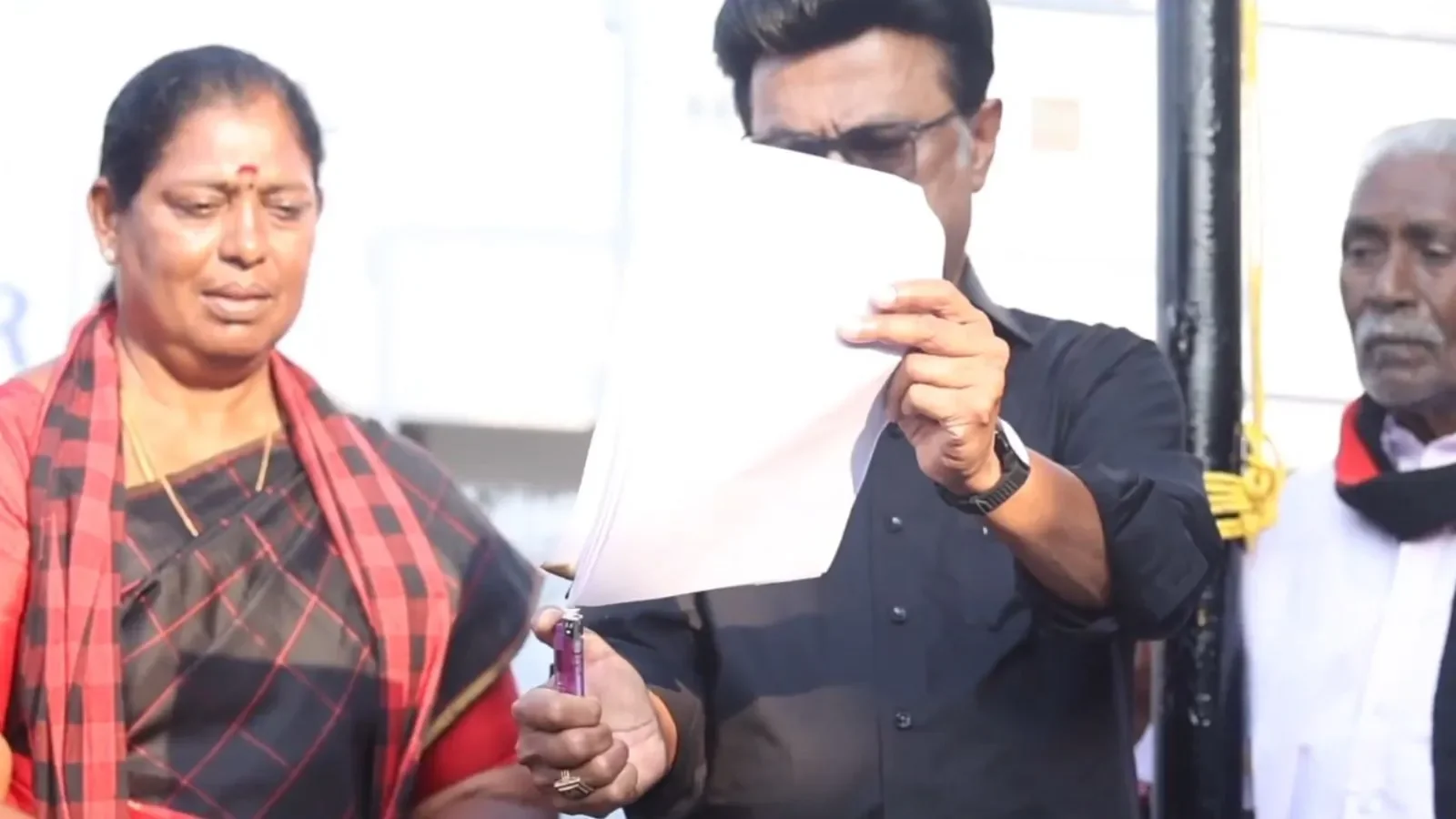
Stalin has explicitly rejected assurances from the Prime Minister regarding the bill, viewing them as insufficient to allay the perceived threats to Tamil Nadu’s political standing. The Chief Minister has drawn parallels to the historical anti-Hindi agitations of the 1950s and 1960s, signalling a readiness to reignite similar widespread protests if the perceived political interests of Tamil Nadu are undermined. This invocation of past struggles serves as a potent reminder of the Dravidian movement's capacity for political mobilization around issues of state autonomy and linguistic identity.
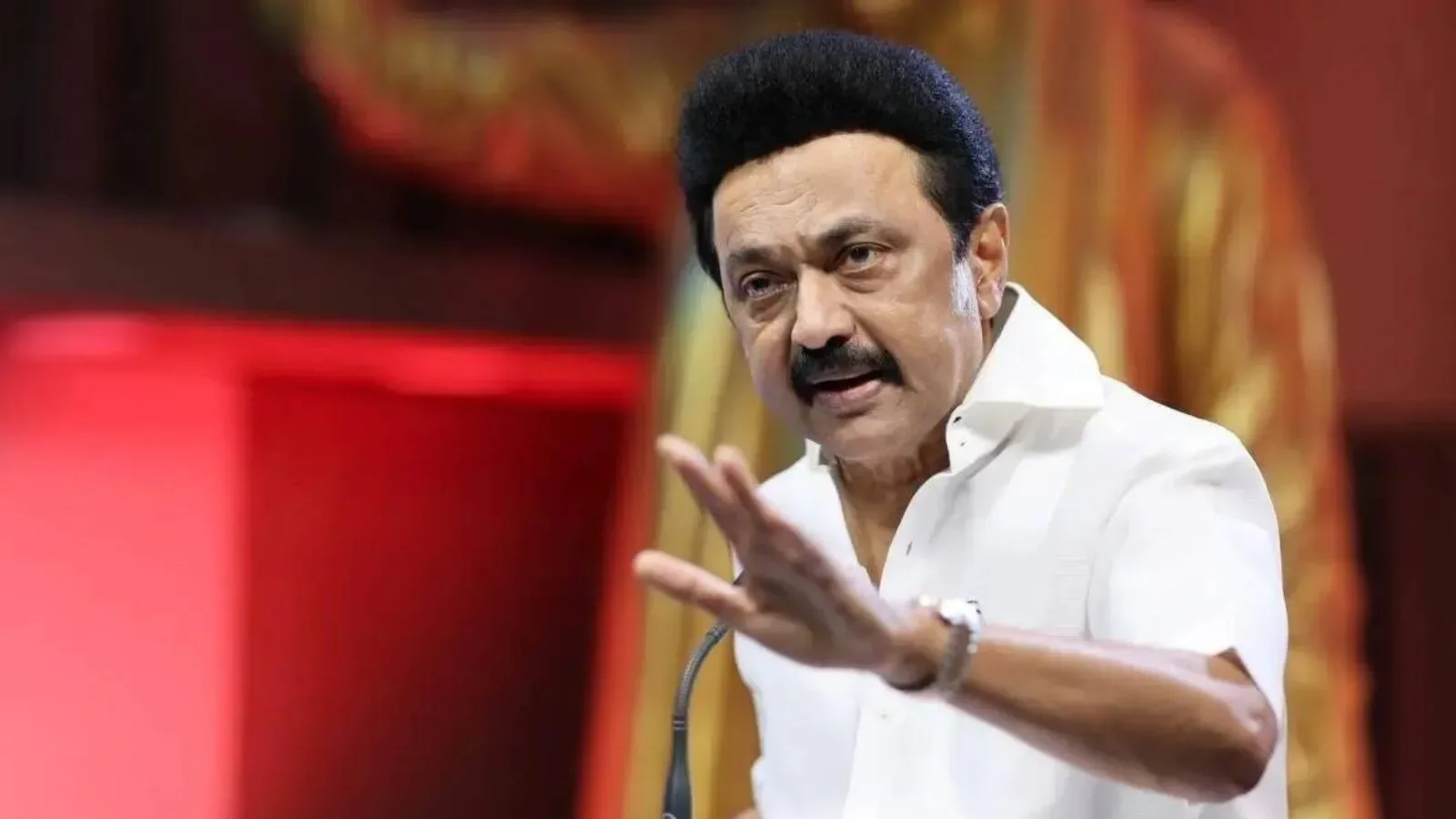
The proposed legislation, slated for introduction in a special session of Parliament, is intended to increase the Lok Sabha’s strength. While elements like women's reservation are included, opposition parties, including the Congress, have united in their opposition to the delimitation aspect, labelling it politically motivated. The Chief Minister’s protest, which began in Namakkal, is described as a deliberate attempt to elevate the issue beyond a procedural debate to a fundamental question of federal fairness and the equitable distribution of political power.
Read More: Kanyakumari Atomic Mining Permit Extended for 1144 Hectares in 2026

Historical Resonance and Political Capital
Stalin’s strategy appears to hinge on leveraging the DMK’s history of agitations as a political tool. By framing the delimitation fight as the latest chapter in a long-standing contest over language, identity, and state autonomy, he seeks to rally support and reinforce the party’s narrative of defending Tamil Nadu's interests against what is portrayed as central government overreach. The Chief Minister has rallied support from non-BJP ruled states, advocating for a united front against the proposed delimitation. This confrontation is being cast by the DMK as a significant battle between the southern states and the central government, providing a timely platform to challenge the ruling party.
Delimitation Context
Delimitation refers to the process of redrawing constituency boundaries to reflect changes in population. Historically, delimitation exercises have been deferred to maintain a balance in representation, with former Prime Minister Atal Bihari Vajpayee’s government freezing the process to allow for more even national development. Stalin questions the current government’s decision to proceed with delimitation now, implying a departure from a previously considered prudent approach. This stance suggests a belief that the current timing and methodology are designed to favour certain regions over others, disrupting a perceived balance in the federal structure.
Read More: FBI Analysts Review Georgia 2020 Election Data in Fulton County







