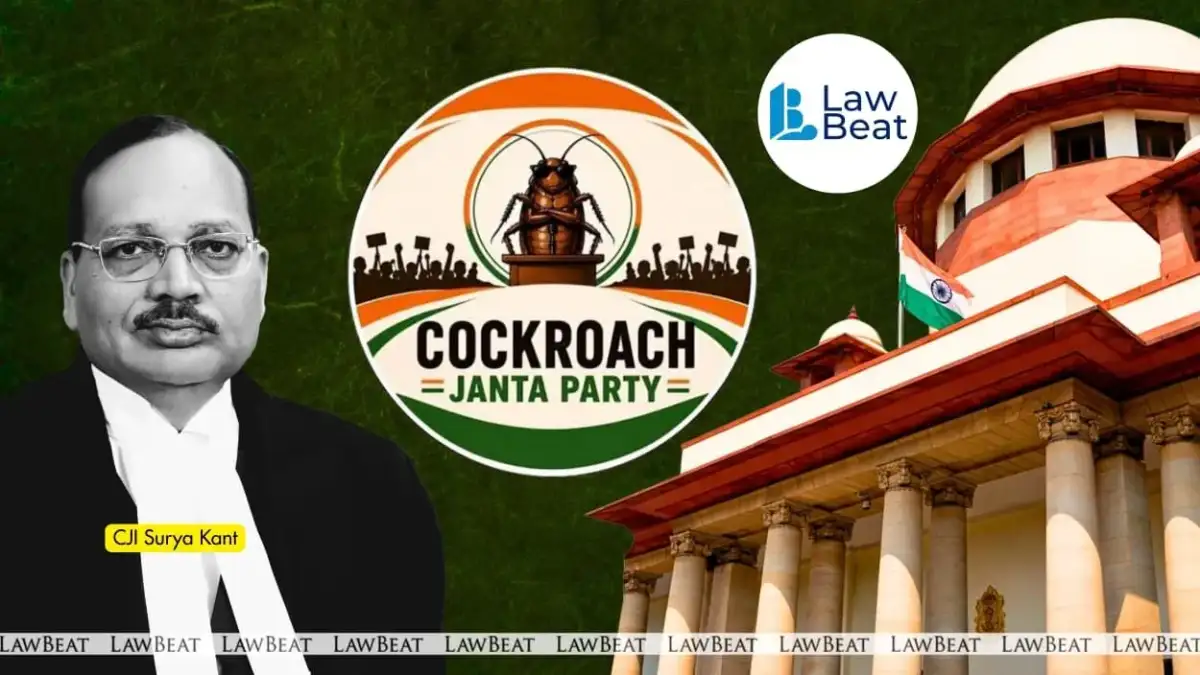
The highest court of the land has signaled deep dissatisfaction with the National Testing Agency (NTA), stating plainly that the organization appears to have "not learnt any lesson" following recent NEET UG 2026 paper leak controversies. The Supreme Court’s pronouncements came as it formally requested a response from the NTA regarding the ongoing issues that have plagued the national medical entrance examination.
The court's sharp remarks highlight a persistent struggle to ensure fairness and integrity in high-stakes national testing. The NTA, established as an independent body by the Ministry of Education to conduct "efficient, transparent and international standard tests," is now under intense scrutiny for its handling of these admissions.
NTA's Mandate and Recent Actions
The National Testing Agency (NTA), itself a relatively recent construct within the Indian higher education landscape, was tasked with centralizing and standardizing entrance examinations. This includes the critical NEET (UG), which serves as the gateway for aspiring medical students.
Read More: How a beginner built an ETL data pipeline on 27 May 2026
Recent public notices from the NTA, dated May 12, 2026, have addressed the refund of examination fees and the conduct of re-examinations for the NEET (UG) 2026 cycle. Earlier announcements around May 10, 2026, and the release of provisional answer keys on May 3rd, 2026, all point to a series of disruptions and adjustments to the examination process.
The NEET Acronym: A Broader Context
It is important to note that the acronym "NEET" also carries a different connotation internationally, referring to young people "Not in Education, Employment, or Training." This sociological definition, particularly prevalent in France and China, describes a demographic grappling with systemic issues of marginalization and economic exclusion. While distinct from the examination, the term's dual usage can, in broader cultural discussions, underscore themes of youth disengagement and societal pressures.