

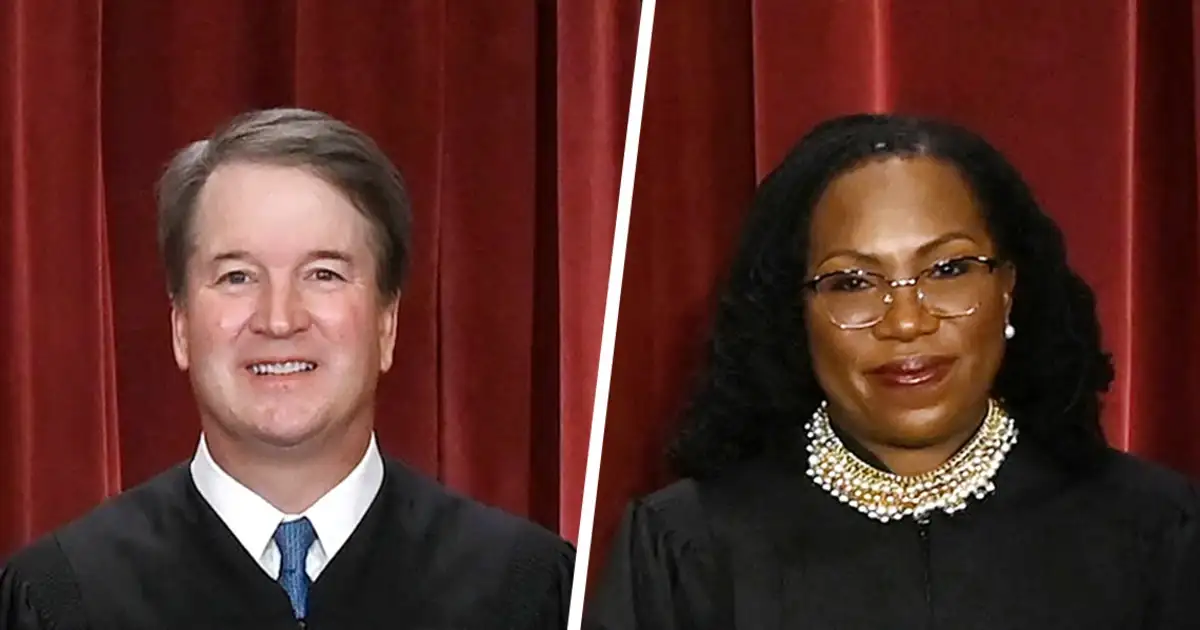
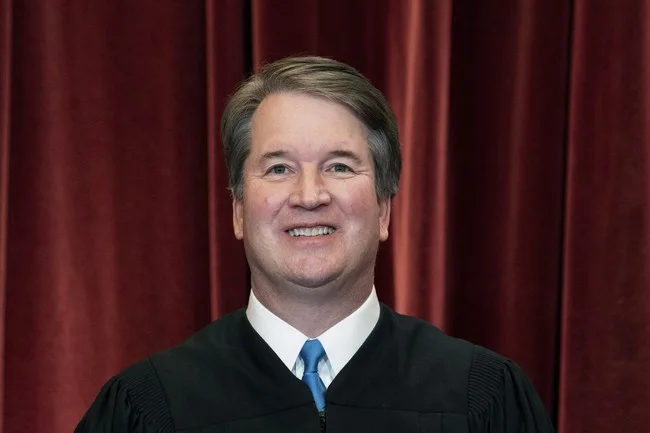
Justices Ketanji Brown Jackson and Brett Kavanaugh broke their usual quiet on Monday night to argue about the Emergency Docket. This fast-track process lets the high court decide big rules before the smaller courts finish their homework. Jackson says the court is grabbing cases too early, which hurts the country and the legal system. Kavanaugh says they have to step in because lower judges are creating chaos with nationwide blocks on federal rules.
"This uptick in the court’s willingness to get involved in cases on the emergency docket is a real unfortunate problem. It's not serving the court or this country well." — Justice Jackson
The fight is about how the court handles Donald Trump. His lawyers keep asking the Supreme Court to stop lower court orders that get in the way of his plans. The court usually says yes. This happened recently when the court let the President fire many Federal Workers at once. But it isn't always a win for the White House; the court recently stopped Trump from taking over the National Guard in Chicago for a border crackdown.
Read More: Telangana High Court Stops Parking Fees at Single Screen Theatres from April 6
THE MECHANICS OF INTERVENTION
The Shadow Docket is where things happen fast and often without long explanations. Jackson warns this behavior makes trial judges feel like they shouldn't even try, because the high court will just flip their choice anyway.
| Viewpoint | Justice | Stance on Fast Rulings |
|---|---|---|
| Skeptic | Ketanji Brown Jackson | Thinks the court is stepping in too soon and picking sides before facts are ready. |
| Defender | Brett Kavanaugh | Says the court is just cleaning up messes from lower judges who block laws everywhere. |
The court is acting as a rapid-response team for the executive branch, often skipping the usual years of slow legal study.
The Trump Administration asks for help more often than older presidents did.
Kavanaugh claims they treated the Biden Administration the same way.
Decisions made this way don't always have a clear "why" written down for the public to read.
Small court judges now have to guess what the nine justices want before they even start a trial.
WHY THE RUSH MATTERS
Kavanaugh admitted that "none of us enjoys this," calling the workload a strain. He frames the court as a reluctant referee in a country where lawyers run to court every time a new law is passed. He argues that when one judge in a small town can stop a whole National Policy, the Supreme Court has to fix it right away to keep things stable.
Read More: Pathanamthitta LDF finalizes 17 candidates for local elections amid UDF challenges
Jackson sees it as a tilt in the scale. She suggests that the court is too quick to help the President get his way before the legal arguments are actually finished. This public bickering is rare for the court, which usually hides its grumbles behind heavy paper and polite Latin words.
BACKGROUND ON THE SUDDEN SPEED
The "Shadow Docket" used to be for boring stuff—like setting deadlines or stopping an execution at the last minute. In the last ten years, it became a tool for big politics. It lets the government ignore a judge’s "no" while the long legal fight continues. Because the court has a conservative majority, critics say this fast track helps the current President's Agenda more than it helped others, though the court’s members say they are just following the rules of the messy legal game.
Read More: Kerala MLA Rahul Mamkootathil Bail May Be Cancelled After Contacting Survivor