


Sales of nitrite-cured bacon are in freefall, a stark indicator of a public recoil against perceived food additives. The decline isn't a mere blip; it represents a significant shift in consumer behavior, driven by persistent scientific links between processed meats, specifically those cured with nitrites, and an elevated risk of certain cancers. This movement, characterized as a "consumer revolt" by some observers, places considerable pressure on both retailers and the meat processing industry to adapt.
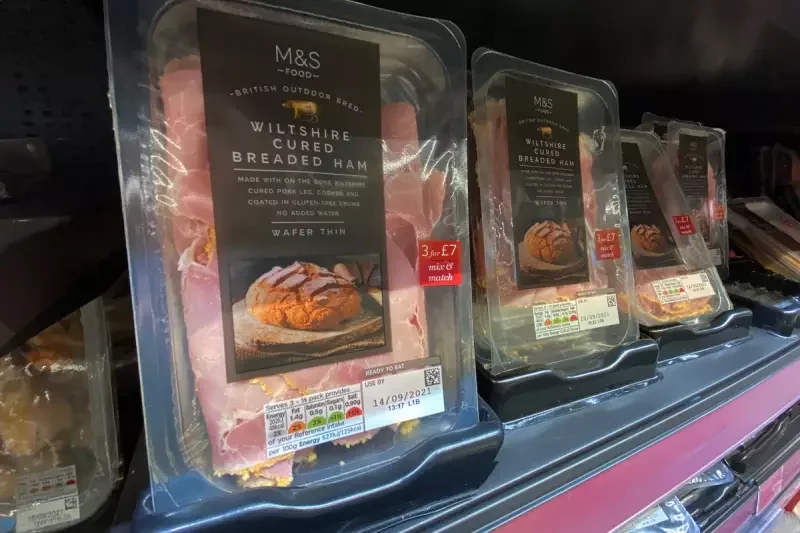
The fallout has prompted renewed calls for governmental intervention and accelerated the push for non-nitrite alternatives on supermarket shelves. Experts like Professor Chris Elliott, a vocal proponent of the 'Coalition Against Nitrites', highlight that the falling sales are a clear signal: shoppers are disengaging from products containing what they deem "carcinogenic additives." This sentiment is echoed by political bodies, with MPs and peers from various parties backing campaigns to phase out nitrites in meat production.

Retailers Caught in the Crossfire
Major UK supermarkets, including well-known names like Tesco and Marks & Spencer, find themselves at the center of this evolving landscape. While some have begun to offer 'nitrate-free' options, the pace of change is deemed too slow by critics who argue that, despite mounting evidence, products containing these additives continue to be widely sold. The core issue revolves around the use of nitrites, which, while traditionally employed to preserve the characteristic pink hue of bacon and ham, are now increasingly scrutinized for their potential health implications.
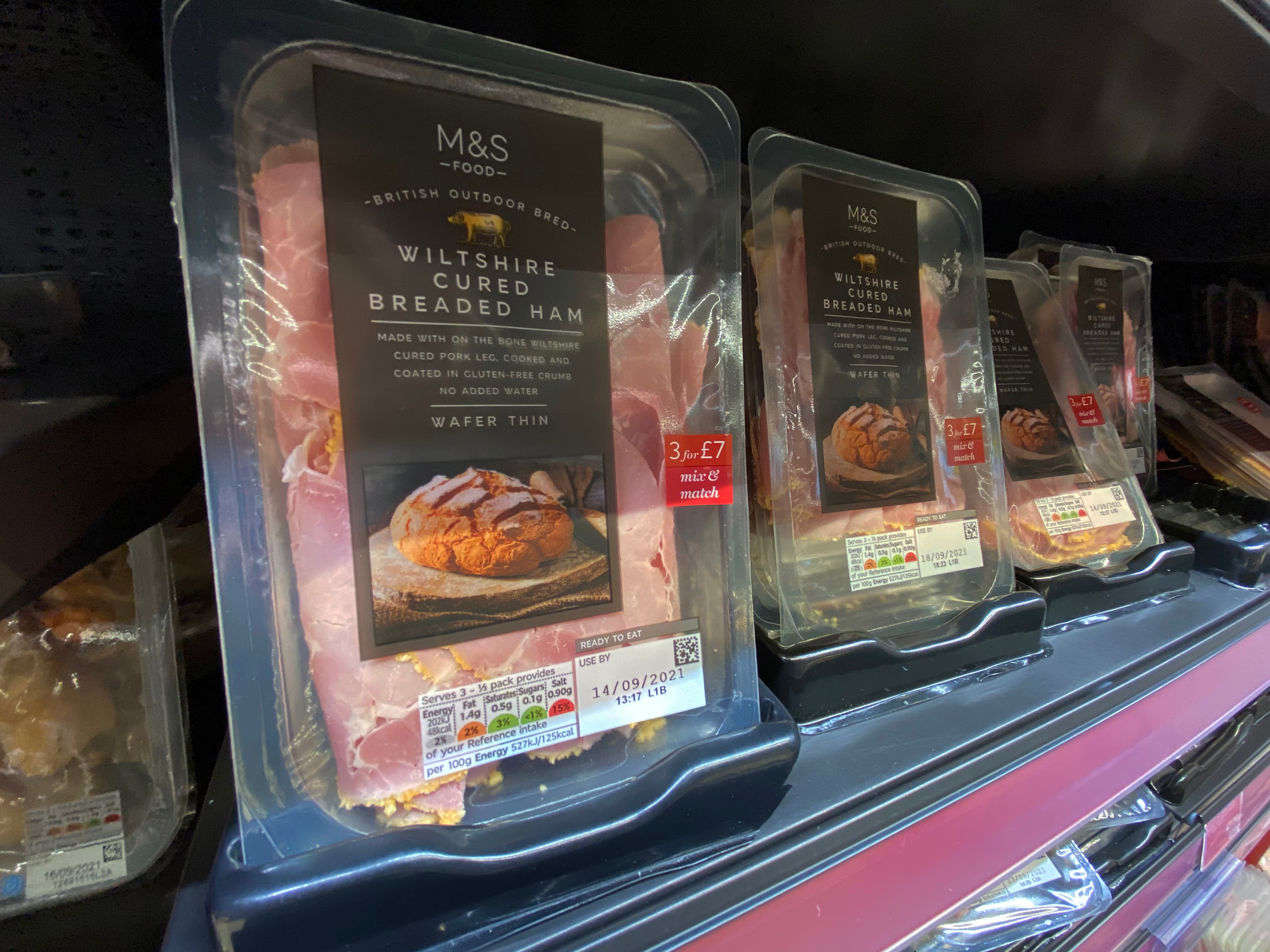
The debate underscores a decade-long inertia, particularly following a World Health Organization (WHO) report that flagged the link between nitrites in processed meats and cancer. Critics assert that a failure to act decisively on these warnings may have contributed to a significant number of bowel cancer cases in the UK.

The Science and the Struggle
The scientific basis for consumer apprehension rests on the established connection between processed meats and increased risks of chronic diseases, notably bowel cancer. This has led to widespread calls for clearer labeling and stricter regulations.
The meat processing industry, represented by bodies such as the British Meat Processors Association, maintains that the decision to use nitrites remains with individual producers. However, the market's response suggests a growing demand for transparency and products perceived as healthier. Consumers are actively seeking to avoid "additives" and "carcinogenic chemicals," demonstrating a preference for foods perceived as more natural or free from potentially harmful ingredients.
BACKGROUND:
For years, nitrites have been a standard component in the curing of bacon and ham. Their primary functions include inhibiting the growth of harmful bacteria like Clostridium botulinum, thus enhancing food safety, and crucially, imparting the desirable pink color and distinct flavor associated with these popular processed meats. However, recent scientific discourse, amplified by organizations like the World Health Organization, has cast a shadow over their use, pointing to potential links with cancer. This has sparked a movement among consumers and advocacy groups urging for a shift towards nitrite-free alternatives, prompting a challenging adjustment period for supermarkets and the broader food industry.