
Suno, the generative music AI outfit, is exploring the release of a developer API, a move that signals a pivot from a consumer-focused tool to an infrastructure player. This exploration aims to empower external applications to integrate Suno's text-to-music generation capabilities, allowing for programmatic control and automated audio output. While no official public API currently exists, this development follows a period of rapid expansion for the company.
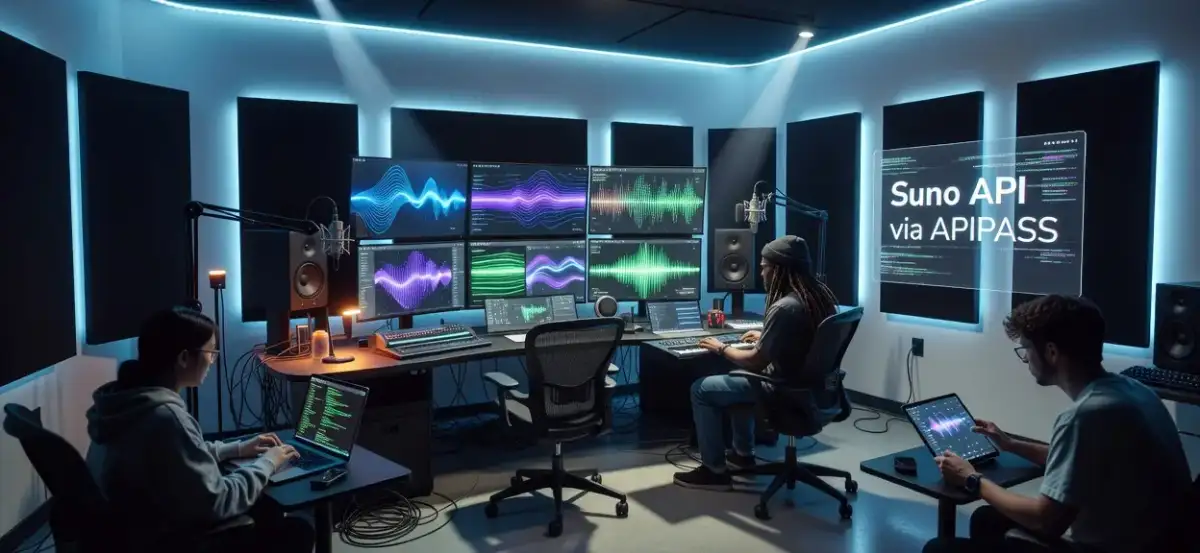
Third-party efforts have already created unofficial API wrappers for Suno's platform, indicating a demand for such integration. The proposed developer API would enable applications to send text prompts to Suno's AI models and receive finished audio tracks in return. This opens avenues for specialized workflows, with early partners potentially building integrations with digital audio workstations (DAWs), video editing software, and social media tools.
Read More: Chrome mimeHandler API lets extensions handle file types
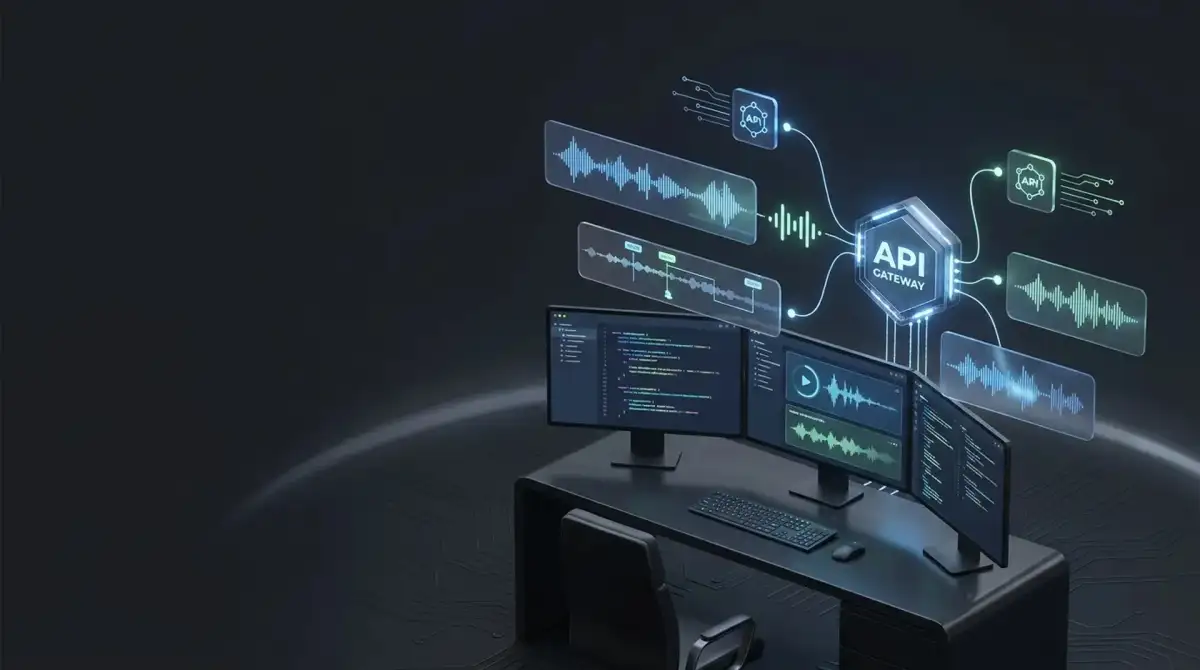
Suno's ambition to serve as enterprise infrastructure is further underscored by a recent funding round, where the company reportedly secured $400 million at a $5.4 billion valuation. This infusion of capital is expected to accelerate its market presence and product development.
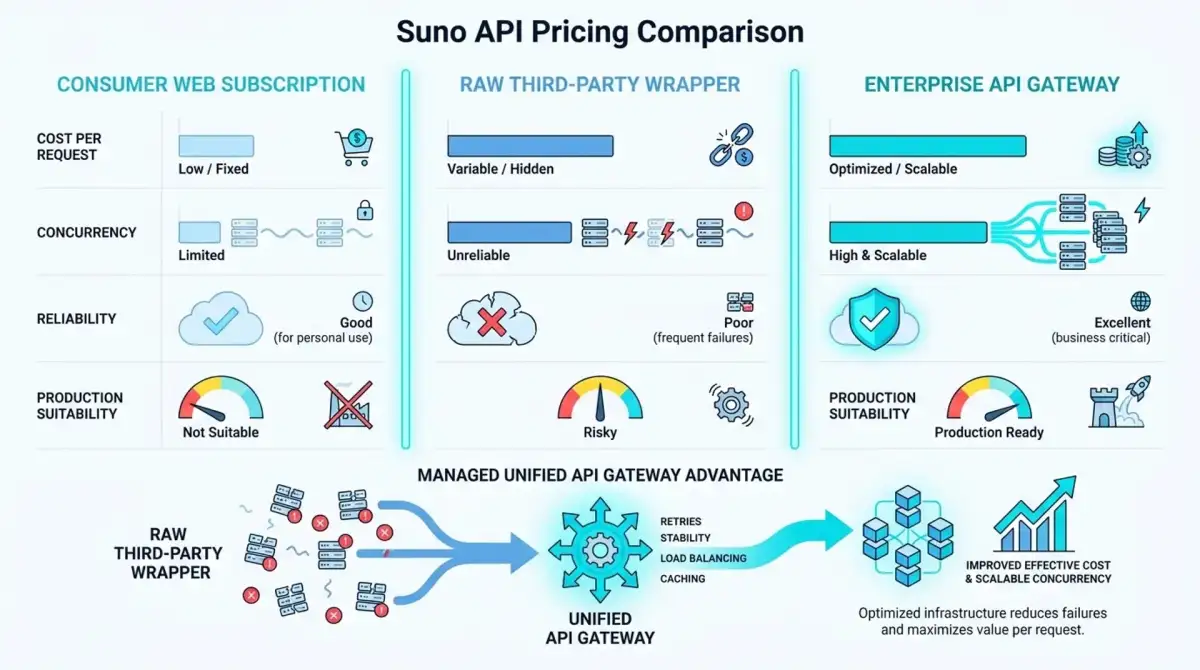
Implications for Creators and the Market
The impending broader availability of Suno's API suggests an impending surge of AI-generated music. Professional creators are thus urged to focus on cultivating distinctive artistic styles and adopting hybrid workflows to differentiate themselves in an increasingly crowded field. For those utilizing Suno for client work or independent releases, vigilance regarding royalty shifts and platform policy changes will be paramount for career sustainability. They may soon find themselves competing with API-driven content for inclusion in the same royalty pools.
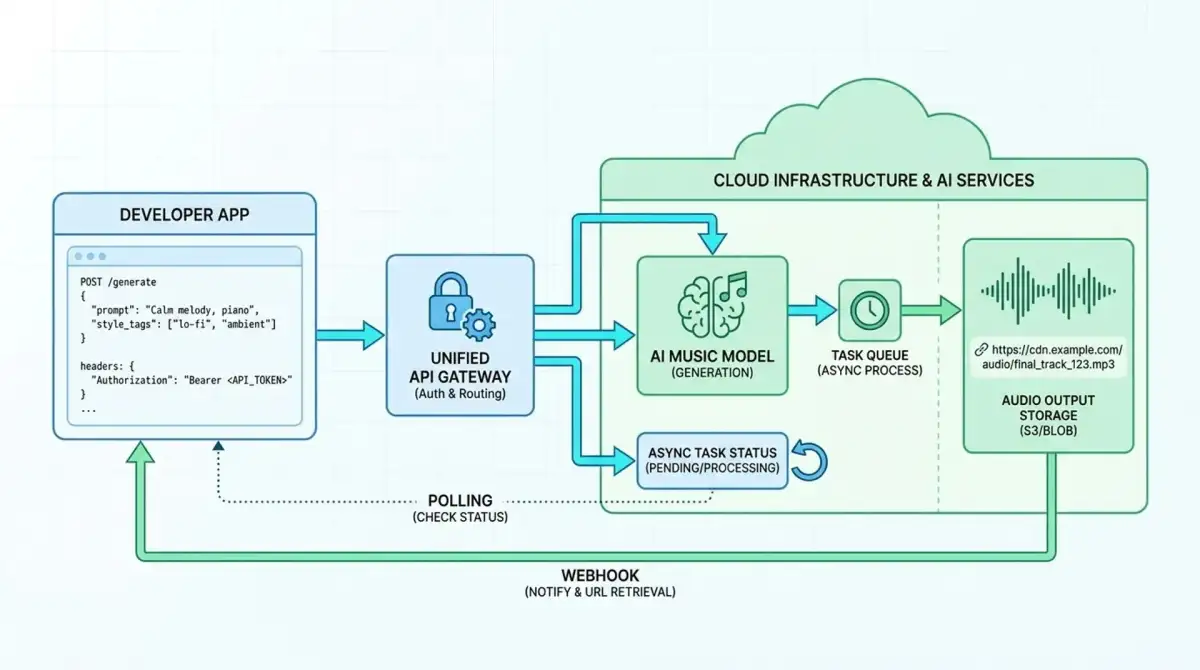
Technological Advancements and User Reception
Suno's underlying technology, particularly with its V5 iteration (codenamed "chirp-crow"), represents a significant leap in AI music generation. Users report substantial improvements in audio quality, vocal authenticity, and creative control. Performance metrics highlight a 30% faster generation speed compared to previous versions, with users reporting a high satisfaction rate. Notably, Suno V5 has achieved a benchmark ELO score, reportedly surpassing competitors in audio fidelity, musical structure, and vocal realism. The platform's technical underpinnings are said to involve large-scale Transformer architectures or diffusion models, alongside deep learning techniques optimized for audio synthesis and advanced vocal modeling.
Read More: Paul McCartney and Bruce Springsteen impact on rock music legacy 2026
Ecosystem Integration and Past Offerings
While Suno itself has not yet released a public self-serve API or official documentation, the exploration indicates a strategic direction. Past announcements, such as the integration via the APIPASS platform in March 2026, targeted indie creators, offering a streamlined pathway to leverage Suno's API for their projects. These earlier integrations demonstrated text-to-music generation with Suno V5 precision and hinted at the wide-ranging applications across industries.
However, challenges persist. Concerns surrounding copyright disputes remain a significant hurdle within the broader music industry. Furthermore, while user satisfaction is high, professional users express a need for continued improvement in creative complexity and specific features like instrument separation. Issues related to AI music detection and regulation also present ongoing challenges. The platform's user base expansion may also be influenced by existing paywall structures.
Read More: BEREC Asks for Mobile Network API Ideas from Developers