


DIGITAL REALMS OPEN FOR EXPLORATION
Steam, the sprawling digital marketplace for personal computer games, has once again opened its gates, offering temporary access to a selection of titles this past week. These 'free-to-play' weekends, often coupled with discounted purchase options, represent a strategy to draw players into experiences they might otherwise bypass. This pattern suggests a continuous flow of such promotional events, blurring the lines between casual sampling and persistent acquisition of digital content.
Several distinct offerings have surfaced:
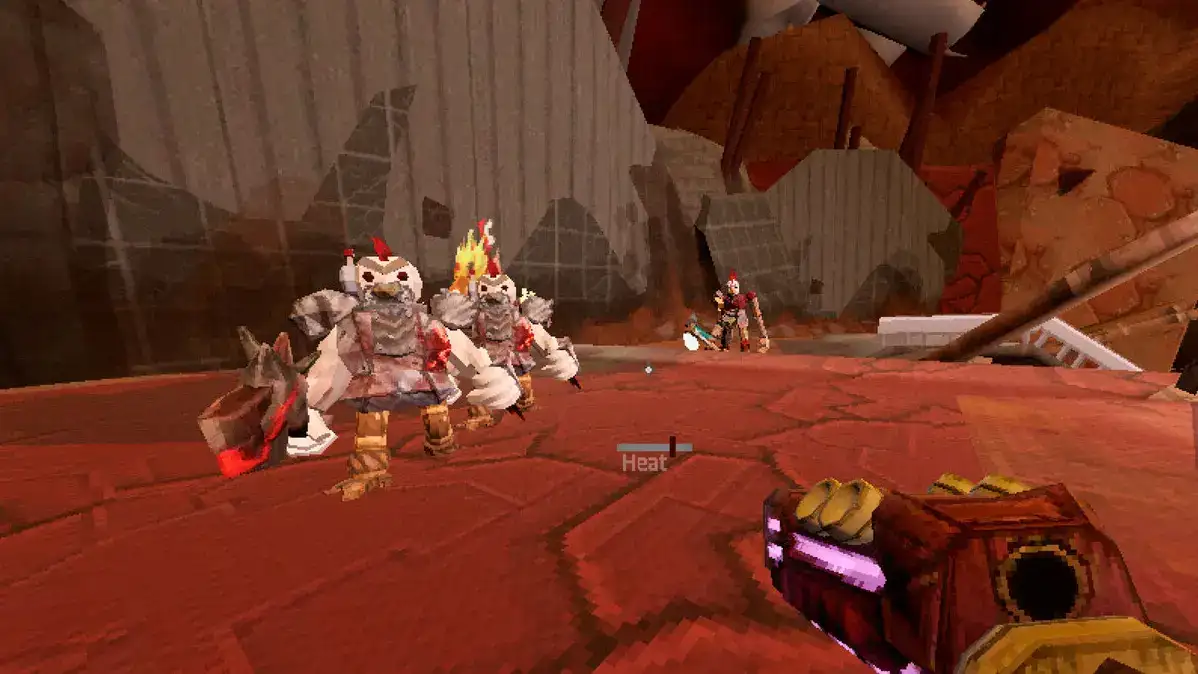
'The Riftbreaker': This title features solo and cooperative play for up to four individuals, emphasizing base customization and combat against alien hordes on a hostile world. The promotion allowed for full gameplay during the event period.
'Fallout 76': A significant title that was made available for free play until a specific date, after which access would revert to a paid model. This highlights a common mechanic where free trials are time-limited, pushing for purchase to retain access.
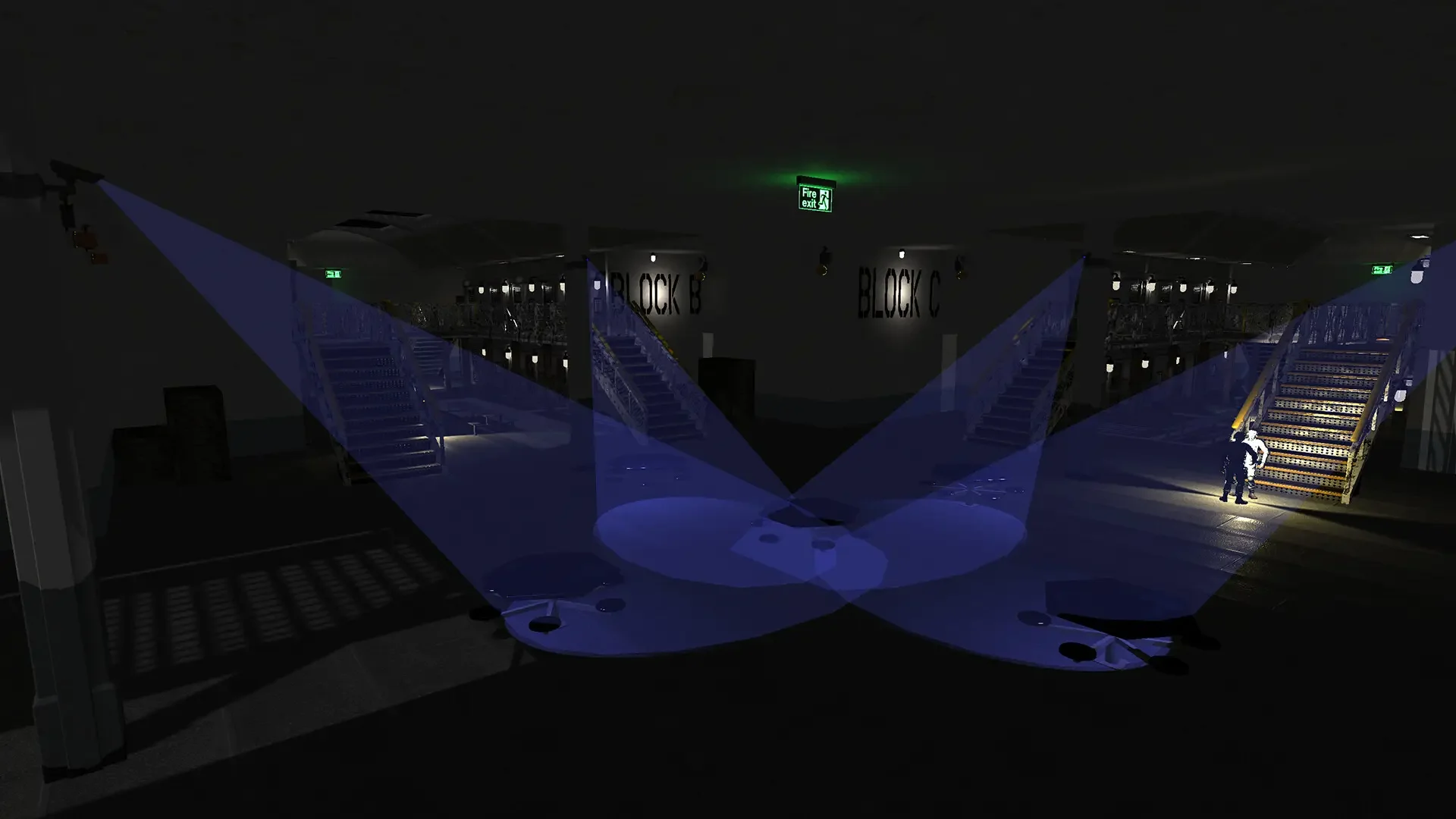
'The Raid of Brunswick': Presented as a historical simulation, this game places players in the role of a World War II bomber crew. Its inclusion alongside other temporary offers underscores the diverse genres Steam facilitates, even within its promotional windows.
TRANSIENT ACCESS AND THE PERSISTENCE OF PLAY
The prevalence of these temporary free-play weekends on Steam indicates a deliberate approach to player engagement. Beyond the immediate opportunity to try games like 'The Riftbreaker' or 'Fallout 76', the simultaneous availability of discounted purchase options frames these events not just as trials, but as lead-ins to potential acquisitions. The distinction between playing a game for free and owning it permanently is frequently manipulated through these sales. This model allows users to explore genres and specific titles without upfront financial commitment, fostering a dynamic where trial periods directly feed into a transactional ecosystem.
Read More: New 'Karen' Game Lets Players Cause Mall Chaos on Steam
The sheer volume of these events is noteworthy. Reports from recent weeks point to an almost constant stream of such opportunities, ranging from single, significant titles to curated lists of smaller, independent productions. For instance, games like 'Slime Saga', described as a third-person monster taming game, and 'Let's Save Mice', an early-access cooperative experience, have been part of these rotating free offerings. This continuous influx suggests that the 'free weekend' is not an exceptional event but a foundational element of Steam's promotional strategy.

BACKGROUND: THE DYNAMIC OF DIGITAL DISTRIBUTION
Steam's operational model is largely predicated on its vast digital library and its ability to act as a conduit between developers and consumers. In this environment, temporary free access serves multiple purposes. For developers, it's a means of visibility, allowing a wider audience to experience their creations. For Steam, it drives traffic and engagement on the platform. For players, it offers a low-risk avenue to discover new entertainment.
Read More: Cursor 2026 Pricing Changes Mean Slower AI for Heavy Users

However, the ephemeral nature of these free access periods, combined with frequent sales, raises questions about the perceived value of digital goods. When games are readily available for trial and then significantly discounted shortly after, it contributes to a landscape where ownership feels less permanent and more conditional. This dynamic is characteristic of broader trends in digital media, where access is often prioritized over outright possession, and the user's experience is continually shaped by promotional cycles and staggered release windows.