Prices for Valve's handheld gaming PC, the Steam Deck, are reportedly experiencing a significant upward trend. This escalation is directly linked to an ongoing disruption in the supply of essential components, a phenomenon some are dubbing "RAMageddon."
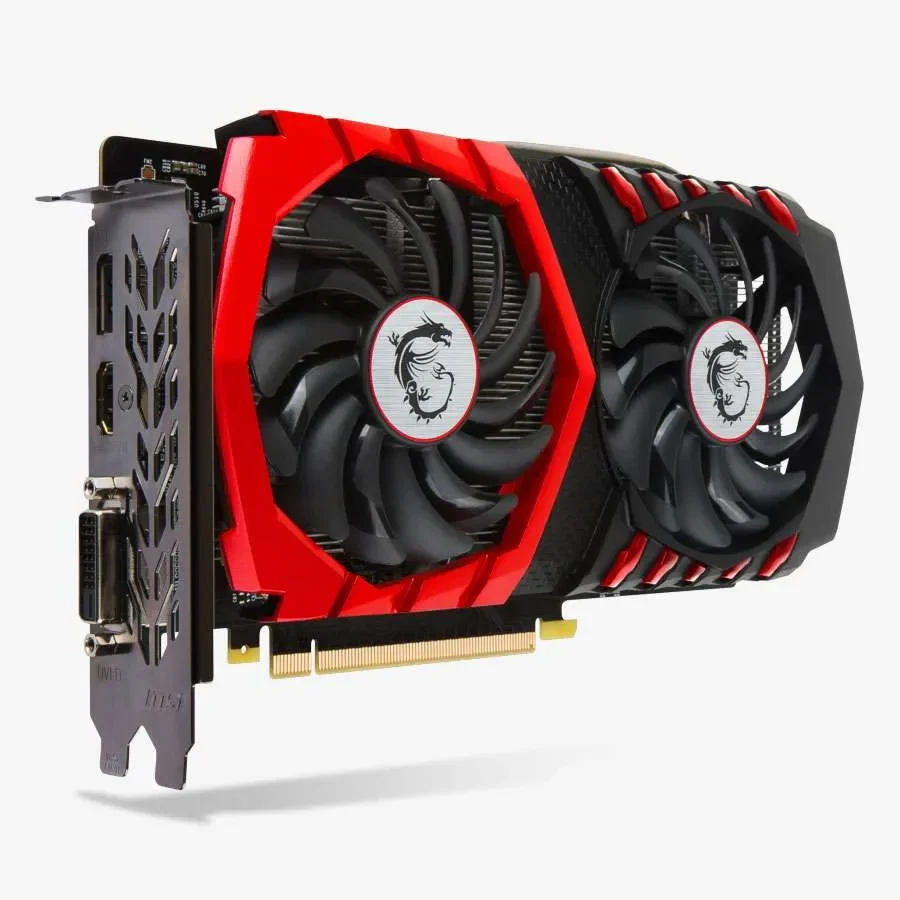
The scarcity of key hardware, particularly Random Access Memory (RAM) and Solid State Drives (SSDs), has tightened the production pipeline for various gaming devices, with the Steam Deck feeling the squeeze. While the exact nature and origin of this component shortage remain somewhat opaque, its impact is demonstrably felt in the rising cost of consumer electronics.
Component Crunch Affects Availability
The core issue appears to be a widespread shortage of high-speed RAM modules and NVMe SSDs, components crucial for modern computing devices, including the Steam Deck. This has led to increased manufacturing costs for hardware producers.
The Steam Deck, offered in various configurations featuring NVMe SSDs of 256GB, 512GB, and 1TB, relies heavily on these memory units.
Reports suggest that manufacturers are struggling to secure sufficient quantities of these parts at previous price points, forcing them to either absorb the cost or pass it onto consumers.
Steam Deck Models Under Pressure
The Steam Deck is available in several models, each differentiated by its storage capacity and display technology:
| Model Storage | Display Type | Screen Size (Diagonal) | Refresh Rate | Battery Life (Est.) |
|---|---|---|---|---|
| 256 GB NVMe | LCD | 7" | Up to 60 Hz | 2-8 hours |
| 512 GB NVMe | OLED HDR | 7.4" | Up to 90 Hz | 3-12 hours |
| 1 TB NVMe | OLED HDR | 7.4" | Up to 90 Hz | 3-12 hours |
The increased demand for RAM and SSDs has disproportionately impacted the availability and pricing of these models.
Background: Steam as a Digital Hub
Steam itself is a well-established digital distribution platform developed by Valve. It serves as a marketplace for acquiring, downloading, and managing video games and related software.
Read More: Steam Deck Prices Change Soon for Gamers
The platform offers a vast catalog, categorizing titles by popularity and sales figures.
Features like personalized wishlists and discovery queues aim to guide users through the extensive library.
Steam regularly hosts sales, offering significant discounts on a wide array of games and applications.
Beyond gaming, Steam also provides access to various software titles.
The Steam Deck represents Valve's foray into dedicated handheld PC gaming, leveraging the Steam ecosystem for on-the-go play. Its components, like those in many other devices, are now subject to the wider industry's component supply fluctuations.