

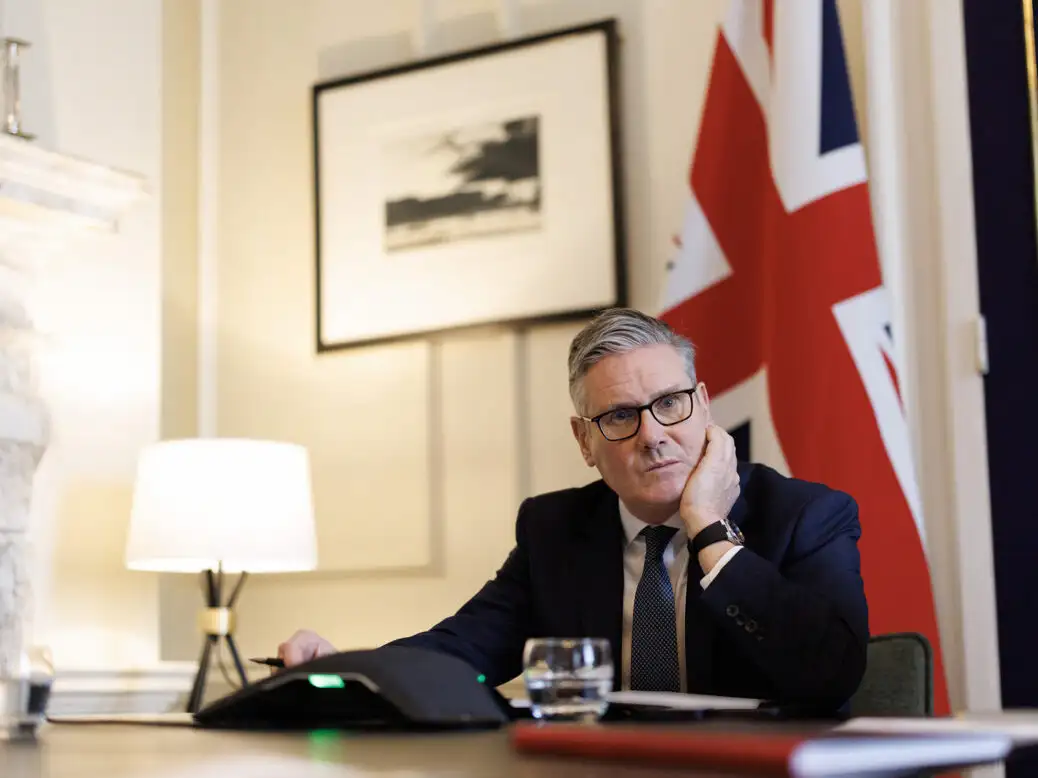
Shadow of Interventionism Casts Long Over UK's Approach
The UK government, under Keir Starmer, is charting a course in the unfolding Iran situation heavily influenced by the perceived missteps of the 2003 Iraq war. This stance, characterized by a deliberate refusal to join offensive actions and a careful navigation of the US-UK alliance, appears designed to avoid the political and public repercussions that plagued previous interventions. Starmer has explicitly articulated a commitment to avoiding the "mistakes of Iraq," a sentiment resonating through his administration's policy.

A Pragmatic Detachment
Despite acknowledging the significance of the 'special relationship,' Starmer's government has maintained a notable distance from the initial US and Israeli strikes on Iran. This has led to a curious dichotomy: while not outright condemning the actions, the UK has denied permission for its bases to be used for offensive operations aimed at "regime change" or targeting specific leaders. Instead, permission has been grudgingly granted for US aircraft to operate from British soil for the "specific and limited defensive purpose" of striking missile storage depots and launchers, particularly as Iran escalates retaliatory attacks. This careful delineation suggests a desire to protect British interests and lives, a stated duty to the public.
Read More: Kremlin Spokesman Says World Ending Due to War and Bad Laws

Political Repercussions and Shifting Alliances
This cautious approach has, predictably, generated friction. While Starmer has drawn criticism from Donald Trump, who has expressed disappointment, and even some on the left, the strategy appears aimed at a broader political appeal. The opposition, represented by Kemi Badenoch, has voiced frustration, suggesting full support for the initial strikes. However, Starmer has sidestepped direct commentary on the legality of these initial US and Israeli actions, further complicating the narrative. The situation on the ground, with Iran's retaliatory attacks, has reportedly shifted the context, prompting a reassessment of base usage, though the fundamental government position on offensive actions remains.

Lessons from the Past, Uncertain Future
The parallels to the Iraq war are not lost on observers. Starmer himself was a vocal critic of the Iraq intervention, and his current policy is seen as a direct attempt to preclude a similar quagmire. This involves a recognition that there is no "standard formula" for the UK-US relationship, particularly in matters of military engagement. The ongoing US military operation, dubbed 'Operation Epic Fury,' highlights the complex interplay between alliance commitments and national autonomy. The long-term implications of this approach, particularly in the face of escalating regional tensions and the vocal dissent from allies like Trump, remain to be seen.
Read More: West Bengal parties want shorter election schedule to stop violence

Background: The Unraveling of Iraq
The 2003 invasion of Iraq, spearheaded by the US and the UK, remains a deeply contentious event. Fueled by claims of weapons of mass destruction that were later disproven, the war destabilized the region, led to immense loss of life, and cast a long shadow over international relations. The Chilcot Inquiry, commissioned to examine the UK's role, was highly critical of the decision-making process and the justification for war. Its findings have profoundly influenced subsequent British foreign policy, fostering a skepticism towards preemptive military action and a heightened awareness of the consequences of entangling alliances.