

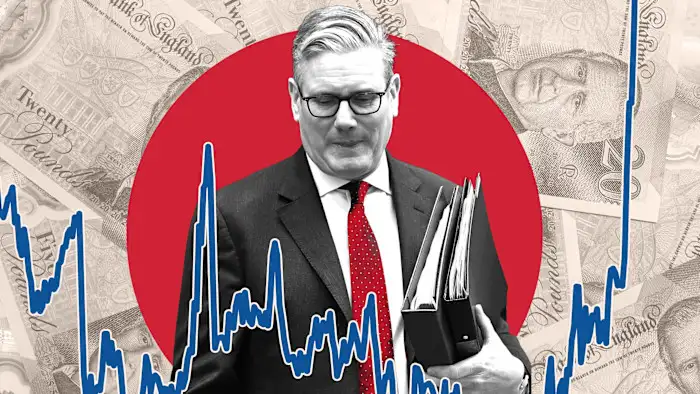
The UK government’s pledge to lower household living costs in 2026 has been derailed by a widening military conflict in the Middle East. After promising in January that families would finally "feel" the results of falling inflation and interest rates, Prime Minister Keir Starmer has shifted the state’s resources toward a military intervention alongside the US and Israel.
The collision between domestic price-cutting promises and the costs of a regional war in the Gulf has created a jagged gap in the government's 2026 strategy.
Military strikes were launched across Iranian cities, including Tehran, following the collapse of nuclear negotiations.
The UK has joined "defensive operations" in the region, involving coordination with Donald Trump and Gulf leaders.
Chancellor Rachel Reeves' previous claims of "real change" are now being weighed against the financial and political weight of a prolonged Middle East entanglement.
Military Pivot and Diplomacy
On February 28, the Prime Minister confirmed UK involvement in strikes against the Iranian regime. This followed a failure to reach a deal regarding Iran’s nuclear programme. Since then, the focus has shifted from commuting costs to the registration and evacuation of British nationals in Bahrain, Israel, Palestine, Qatar, and the UAE.

| Date (2026) | Stated Goal | Current Status |
|---|---|---|
| Jan 3 | "Real change" in living costs | Secondary to war coverage |
| Feb 28 | Defense of Gulf interests | Active strikes on Iranian cities |
| March | Evacuation of UK citizens | Ongoing political friction at PMQs |
"The regime in Iran is utterly abhorrent… they can end this now." — Joint statement by Starmer, Macron, and Merz.
Political Fallout at Westminster
In the House of Commons, the narrative of economic recovery has been replaced by accusations of slow movement. Opposition leader Kemi Badenoch has used weekly sessions to argue that the government is failing to secure the safety of Britons abroad. While the Prime Minister highlights the "abhorrent" nature of the Iranian regime, the Sunday Mirror reports that the earlier optimism regarding interest rates and wages is being obscured by the war’s unpredictability.
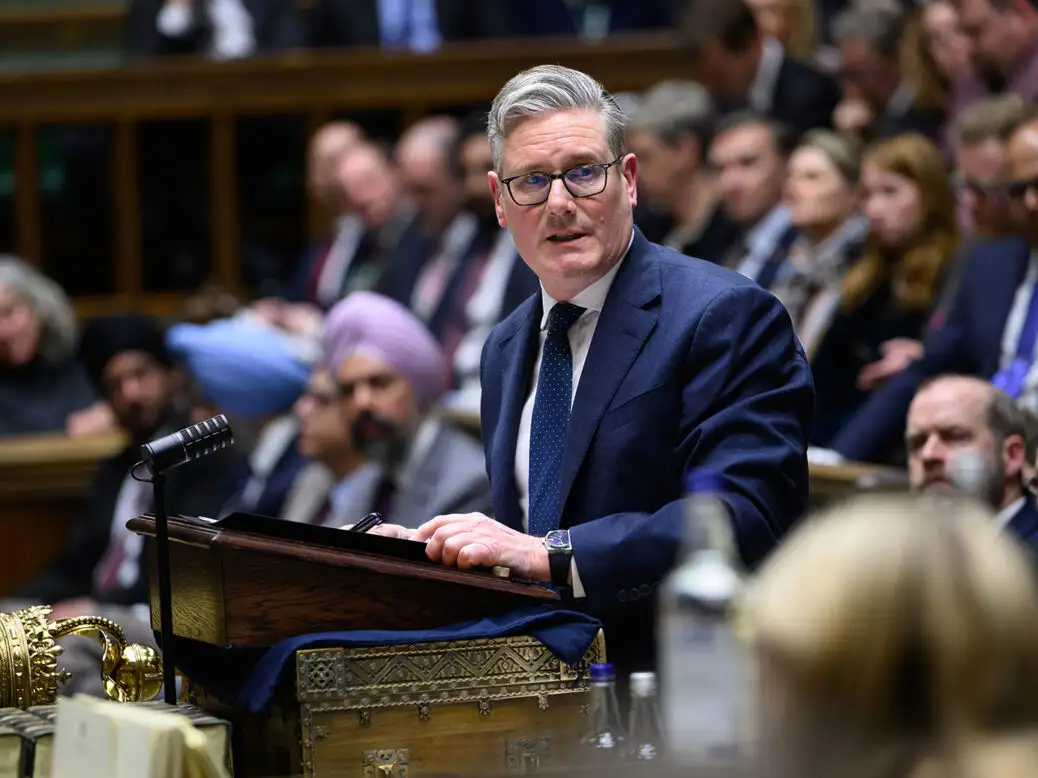
The Foreign Office is currently tracking citizens across five Middle Eastern territories.
Keir Starmer has held direct calls with Donald Trump, the Emir of Qatar, and the UAE President to manage the escalation.
Critics suggest the domestic minimum wage gains are being negated by the global instability caused by the strikes.
Background: The Short-Lived January Promise
At the start of 2026, the Labour government attempted to define the year as a turning point for the UK economy. Chancellor Rachel Reeves noted that wages were finally rising faster than inflation, and interest rates had dropped at their fastest pace in nearly two decades. The Prime Minister’s planned meetings with commuters were intended to cement the idea of "relentless pressure" on the cost of living. This domestic focus lasted less than eight weeks before being overtaken by the collapse of the Iran nuclear talks and the subsequent military response.