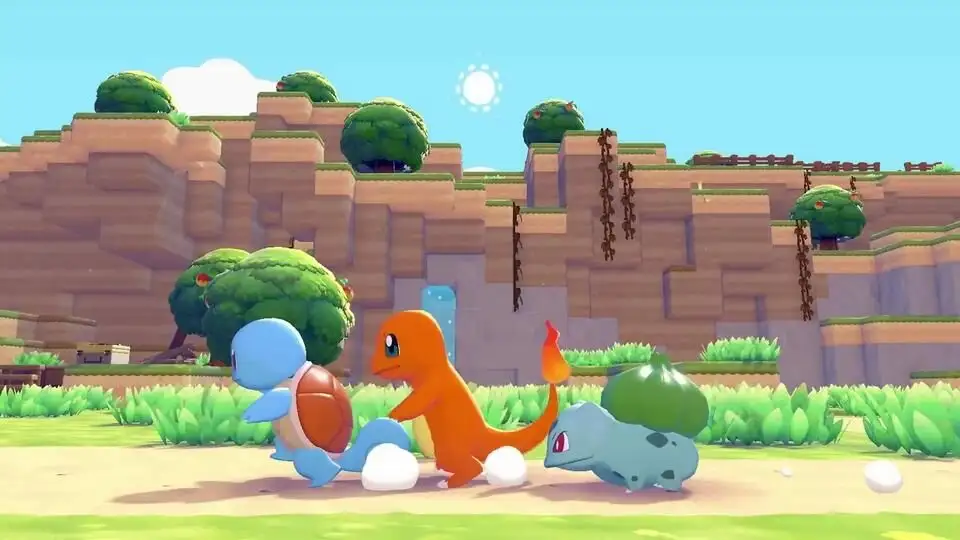
A Pokémon Pokopia player, identified as starguy13, is on the cusp of finishing an extensive, months-long project: the meticulous recreation of the original Kanto region from the first-generation Pokémon games. Using the in-game building tools, starguy13 has been working to translate the iconic blocky map of Kanto into the Pokémon Pokopia environment.
The endeavor, which began with early glimpses shared in March, has seen significant progress, particularly over the last month. The focus has been on accurately reproducing the various routes and towns that defined the original [Pokémon Red and Blue] experience. This undertaking required considerable study of the original map, detailed measurements, and careful planning to fit the expansive region within the available building space, specifically starting from a base like Pallet Town.
Challenges and Adaptations in the Build
While the goal was a near 1:1 replica, the scale of Kanto has presented unavoidable spatial challenges within Pokopia's design. The player has had to make some adjustments, 'squishing' certain areas to fit, indicating that a direct, uncompromised replication was not entirely feasible. Early on, a lack of strict measurement even provided some unexpected bonus space on the western side of the map, but subsequent scaling issues necessitated these adaptations. Notably, there is no room to incorporate the Johto region, as seen in later Pokémon titles.
Read More: Warhorse Studios announces Lord of the Rings RPG and new Kingdom Come
The project has garnered attention, with progress shared on platforms like Reddit, highlighting the dedication involved. Some reports mention a Twitch streamer named Quenca also undertaking a similar recreation, though the primary focus appears to be on starguy13's extensive build.
Pokopia's Creative Landscape
Pokémon Pokopia, recently noted as a hit on the Nintendo Switch 2, offers players robust creation tools that facilitate such ambitious projects. Its [block-like building mechanics] are drawing comparisons to [Minecraft], enabling a wide range of player-driven content. The game's simplified art style is also seen as conducive to recreating the aesthetic of earlier [Pokémon] generations, making projects like this Kanto rebuild particularly feasible and resonant with fans of the original games.