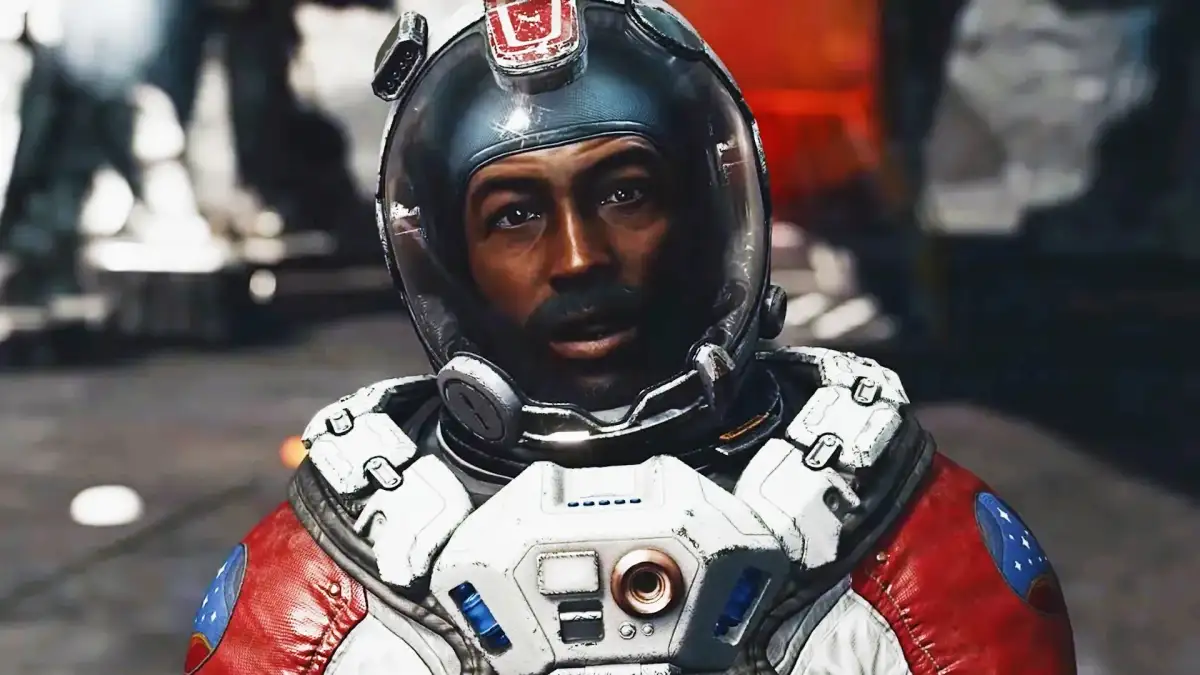
A key feature anticipated by many players in the space exploration game Starfield will not be present: seamless travel between a planet's surface and outer space. This decision, made by Bethesda Game Studios and explained by studio head Todd Howard, centers on the idea that the on-surface experience and the space experience are distinct realities within the game. The studio determined that the resources required to engineer a smooth transition between these two realities were not worth the investment, given their perceived importance to the overall player experience.
Game Design Philosophy and Player Experience
The development of Starfield involved balancing ambitious goals with practical design choices. Todd Howard highlighted a core philosophy of "saying yes to the player," which influenced features like the procedural generation of 100 solar systems to offer extensive exploration. However, this openness was tempered by a critical assessment of which features were essential to the game's core experience.
Read More: Danganronpa 2x2 Delayed to Early 2027, New Slayhem Mode Added
The team decided to implement ideas that aligned with offering broad player freedom and exploration.
Conversely, ideas deemed less crucial to the fundamental gameplay loop were excluded.
The decision to exclude seamless space-to-planet travel appears to stem from this prioritization.
The Absence of Seamless Transitions
Starfield will not allow players to pilot their ships directly from a planet's surface into orbit, or vice versa. Instead, players will experience distinct gameplay sections for surface exploration and space travel.
"People have asked, ‘Can you fly the ship straight down to the planet?’ No. We decided early in the project that the on-surface is one reality, and then when you’re in space it’s another reality.” – Todd Howard
This separation means that players will likely transition between these modes through loading screens or designated points. This approach differs from some other space exploration games, such as No Man's Sky, which emphasized a continuous experience of flying from space to land.
Developer's Rationale: "Not That Important"
Todd Howard explained the reasoning behind this design choice, stating that the development effort required to create a seamless transition was considered a lower priority.
"If you try to really spend a lot of time engineering the in-between, like that segue, you’re just spending a lot of time [on something] that’s really just not that important to the player,” he added.
This suggests that the focus was on maximizing the depth and content within the surface and space environments themselves, rather than on the connective tissue between them.
Read More: Monopoly GO Free Dice Links Appear Again in June 2026
Player Expectations and Design Divergence
The anticipation for Starfield, a large-scale RPG from the creators of The Elder Scrolls and Fallout, brought high expectations, particularly regarding freedom and exploration. For some, seamless space travel was a significant element of this expectation.
The absence of this feature has led to disappointment for players who envisioned a more integrated spaceflight experience.
The game's approach to exploration is described by Howard as fundamentally different from previous Bethesda titles, which may require players to adjust their expectations.
The studio acknowledges that this new approach to exploration may not appeal to everyone.
Contrasting Design Philosophies
The exclusion of seamless travel invites comparisons to other games and highlights different approaches to creating open-world experiences.
| Feature | Starfield's Approach | Potential Contrasting Approaches |
|---|---|---|
| Space-to-Planet Travel | Separate realities; no seamless transition | Continuous flight from orbit to surface (e.g., No Man's Sky) |
| Player Freedom | Extensive exploration across 100 solar systems | Focus on integration and a unified traversal experience |
| Development Priorities | Deep content within distinct environments | Seamlessness and interconnectedness of game systems |
The impact of this design choice on the overall player experience remains to be fully assessed once the game is released and widely played.
Expert Analysis
Industry observers note that the decision to forgo seamless travel is a significant design choice that could shape player perception.
"Bethesda has a long history of creating vast, explorable worlds, and their approach to Starfield seems to be about delivering breadth and depth in distinct areas," commented one industry analyst. "While some players may miss seamless transitions, the success of the game will likely depend on the quality and engagement within the surface and space gameplay loops themselves."
Conclusion
Starfield will feature a distinct separation between planetary surface exploration and space travel, a design choice Todd Howard has explained as a prioritization of core gameplay elements over seamless transitions. While this may not meet the expectations of all players, particularly those comparing it to games like No Man's Sky, Bethesda Game Studios has focused on delivering a vast universe with extensive content within its defined realities. The studio's philosophy appears to be that the depth of individual experiences—on planets and in space—outweighs the importance of a perfectly integrated transition between them. The ultimate success of this approach will hinge on the engaging nature of the gameplay within these separate, yet interconnected, domains.
Read More: Attack on Titan 3 lets players change game ending
IGN: Article discusses Todd Howard's comments on the lack of seamless space-to-planet travel in Starfield, citing it as a design choice where the feature was deemed "not that important" to the player experience. It also touches on how this differs from games like No Man's Sky.https://www.ign.com/articles/starfield-seamless-fly-space-to-planet-not-important-todd-howard
PCGamesN: This article focuses on the disappointment stemming from Todd Howard's confirmation that Starfield lacks seamless spaceflight from planets to space, and how this impacts the author's interest in the game.https://www.pcgamesn.com/starfield/seamless-spaceflight
GamingBolt: Echoes the IGN report, quoting Todd Howard directly on Starfield's inability to support seamless space-to-planet flight and his reasoning that the transition was "just not that important."https://www.gamingbolt.com/starfield-wont-have-seamless-space-to-planet-flight-just-not-that-important-todd-howard
FandomWire (Article 5): Discusses Todd Howard's statements on Starfield's exploration differing from previous Bethesda games, like Skyrim and Fallout, suggesting it's "not the same as…Skyrim" and that players will "wander totally differently."https://fandomwire.com/its-not-the-same-as-skyrim-todd-howards-update-is-bad-news-for-fans-expecting-starfield-to-be-outer-space-elder-scrolls/