New York, NY - May 14, 2026 - The current stanza of the Stanley Cup playoffs, with nearly two full rounds etched into the record books, reveals a landscape shaped by unexpected narratives and persistent statistical realities. While early-round overreactions, as documented on April 23rd, often focus on individual performances and team "vibes," the deeper trends point to more fundamental, often gritty, elements.
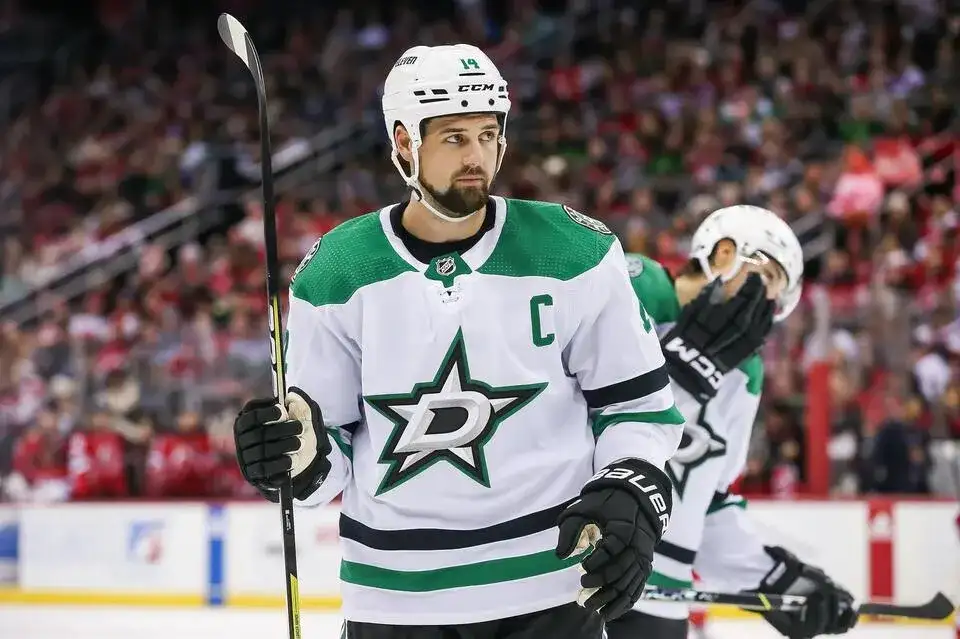
A statistical throughline emerges from the initial 47 first-round games, where 307 goals were tallied, averaging a robust 6.53 goals per game. This scoring rate suggests a willingness for offensive outbursts, a departure from the "tightly contested game with limited scoring opportunities" sometimes feared. Even the high-stakes Game 7s have not entirely shied away from this offensive tendency. The Dallas Stars and Colorado Avalanche's Game 7, for instance, concluded at a 4-2 score, while the Jets and Blues battled through double overtime to a 4-3 finish, underscoring the razor's edge of elimination play.
Read More: FIFA World Cup 2026 Revenue Reaches $15 Billion With New Ticket Prices
SPECIAL TEAMS EMERGE AS CRITICAL ARBITER
The often-overlooked discipline of 'penalty killing efficiency' appears to be a significant, albeit unglamorous, differentiator for teams aspiring to hoist the Cup. Historical data from March 26th indicates a strong correlation, with half of the past decade's champions boasting top-10 penalty kills, and eight of those falling within the league's top half. This season offers a stark contrast in some cases: a team displaying elite 5-on-5 defense, often lauded as the league's best, currently ranks a dismal 30th on the penalty kill. Conversely, the 'Lightning', under 'Jon Cooper', are noted for their persistent strong special teams, finding themselves among the most penalized teams while maintaining 'penalty kill efficiency'.

"Physical teams can go far in the playoffs if they master one crucial skill first."
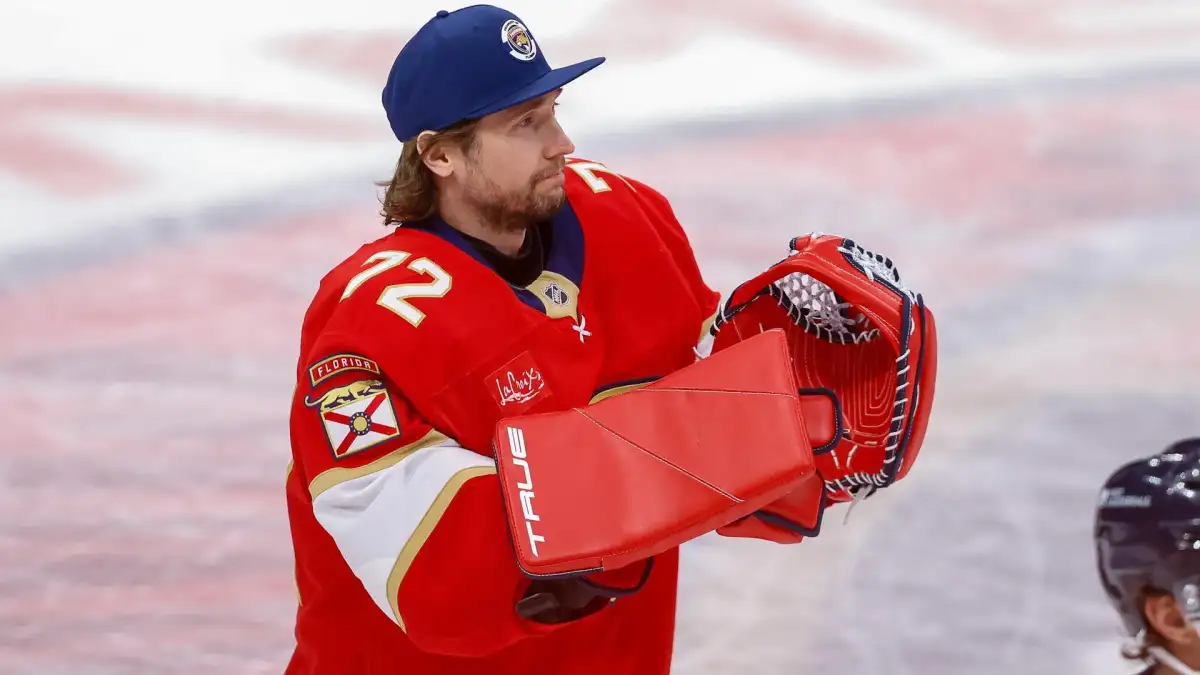
The example of the 'Florida Panthers' is illustrative. Their recent Stanley Cup runs were marked by their physicality – leading the league in hits and being among the most penalized teams – a strategy seemingly buttressed by a 'top-10 penalty kill'. This suggests that while brute force might open doors, sustained success hinges on the ability to weather adversity on special teams.
Read More: Flyers Offer $90M for Leo Carlsson, Ducks Must Decide by July 10
EARLY INDICATORS AND PLAYER HEROICS
While broad statistical trends paint one picture, individual performances continue to be a focal point, sometimes leading to what are termed "early first-round overreactions." Stories from April 23rd mention players like 'Karel Vejmelka', whose "outstanding goaltending" has been a season-long theme, and instances of players finding "redemption" with game-winning goals in overtime. Another trend highlighted, looking back to the 2025 postseason, involves players achieving significant point totals in crucial late-series games. One player is noted as the first to record "10 or more points over Games 5-7 of a series," indicating a capacity for elite production when the pressure is at its peak.
PLAYOFF STRUCTURE DEBATES CONTINUE
Undercurrents of debate regarding the playoff format persist. Reflections on the 2026 season suggest that some find the regular season "boiling down to one game" for teams on the cusp of playoff contention to be a point of contention. The exhaustion of a prolonged season is also noted, with some expressing rarely experienced levels of weariness. This sentiment fuels discussions around mechanisms like "play-in games," though their precise impact on the narrative of individual series, like the mentioned Dallas Stars versus Colorado Avalanche contest, remains a subject of ongoing observation.
Read More: England World Cup Match: Pubs Open Until 5 AM Monday