


ST. PAUL, MN – The St. Paul City Attorney's office has opted not to pursue state-level criminal charges against dozens of individuals who disrupted a service at Cities Church in January. The decision, announced this week, stems from a determination that the "current evidence is insufficient to meet the standard for criminal charges under Minnesota state statutes."
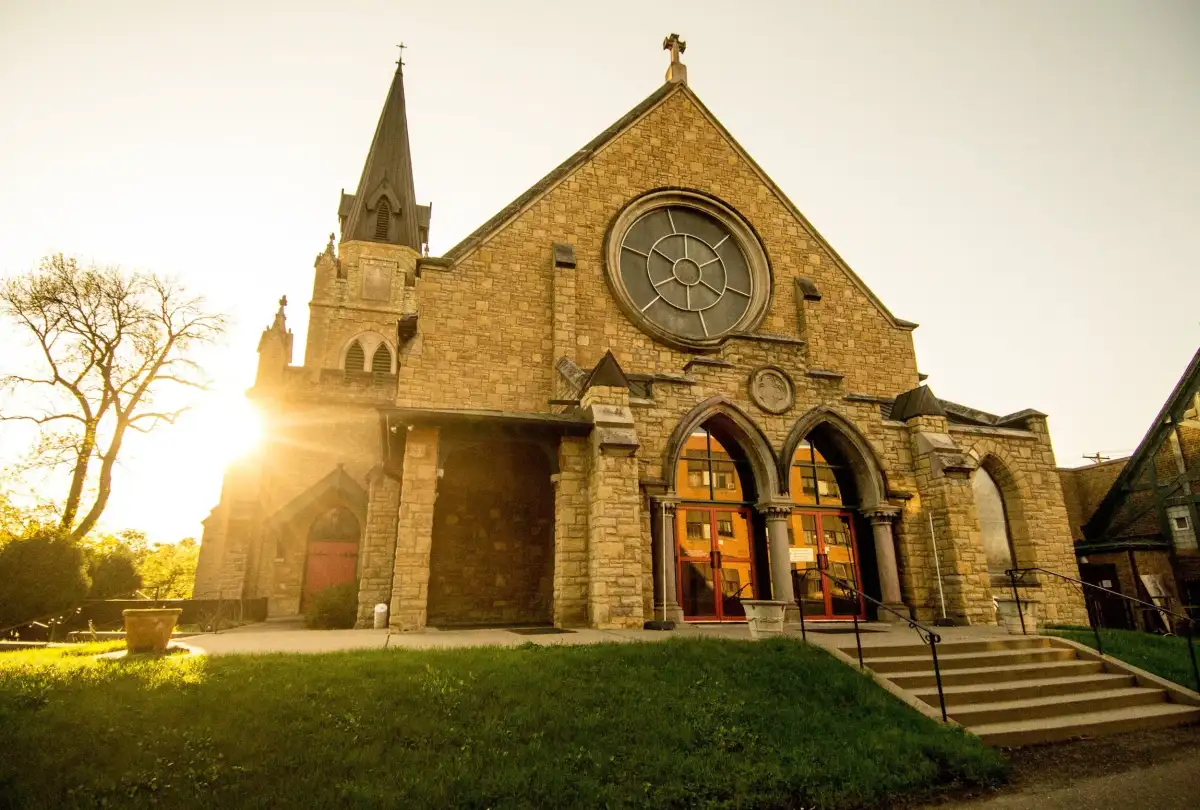
Prosecutors reviewed video footage, investigative reports, and other materials related to the January incident, concluding that the evidence did not support state prosecution. The protest targeted a pastor at Cities Church, identified as David Easterwood, who also reportedly holds a position with U.S. Immigration and Customs Enforcement (ICE). While state charges are off the table, the same individuals, numbering nearly 40, continue to face federal civil rights charges in connection with the demonstration.

The protesters' actions aimed to draw attention to federal immigration enforcement operations. Despite the lack of state charges, church leaders have expressed strong disagreement with the decision. Lead Pastor Jonathan Parnell of Cities Church questioned the commitment of city officials to defending the rights of evangelical Christians, particularly in light of the disruption.
Read More: Sydney Painter Mr Peng Granted Bail in Queensland Smuggling Case

Among those facing federal charges are notable figures including journalist Don Lemon, formerly of CNN, and independent journalist Georgia Fort. Both have maintained they were present to report on the events. Another prominent individual involved is Twin Cities activist Nekima Levy Armstrong. The city attorney's office clarified that this decision does not constitute an endorsement of the protesters' conduct.

The incident occurred during what was described as "Operation Metro Surge." The St. Paul City Attorney, Irene Kao, stated that the evidence gathered did not indicate violence, property destruction, or threats to public safety, factors she noted as relevant in their assessment for state charges.
Meanwhile, the legal proceedings related to the protest appear complex. In a separate development, federal charges were dropped against one individual, Heather Danae Lewis, in March, after prosecutors indicated she may not have attended the event at all. Reports suggest her initial involvement was identified through cellphone data and a resemblance to someone seen on video, and that she might have been mistaken for another participant. The protest itself has also raised questions about the application of laws like the Freedom of Access to Clinic Entrances Act (FACE Act) and federal statutes related to conspiracy, with defense arguments potentially centering on First Amendment protections for speech.
Read More: Telangana High Court denies arrest shield to Bandi Sai Bageerath May 2026


