A proposal for a museum at the Srimukhalingam temple premises has been formally presented to the Director General of the Archaeological Survey of India (ASI). The request, lodged by the temple's chief priest, Naidugari Rajasekhar, aims to safeguard and exhibit historical artifacts. This initiative surfaces as the temple continues to be a subject of discussion for potential inclusion in UNESCO's World Heritage Sites list, a matter the ASI has indicated it would forward to the international body.
The museum concept is not entirely novel, with a proposal reportedly being considered since 2005. The current push emphasizes the need for a dedicated space to house and display statues and other relics of significant historical value. This move, according to proponents, would not only aid in preservation but also potentially boost the temple's appeal and attract more visitors.
Read More: Peshawar Heritage Houses Face Collapse Risk After April 2026 Earthquakes
Calls for International Recognition Intensify
For some time now, there have been concerted efforts to have the Srimukhalingam temple recognized on a global scale. The chief priest has repeatedly urged the ASI to facilitate its inclusion in the UNESCO World Heritage Sites list. This aspiration is linked to securing specialized recognition and, consequently, funding for the temple's upkeep and development. Past discussions with ASI leadership have seen assurances that such a recommendation would be conveyed to UNESCO.
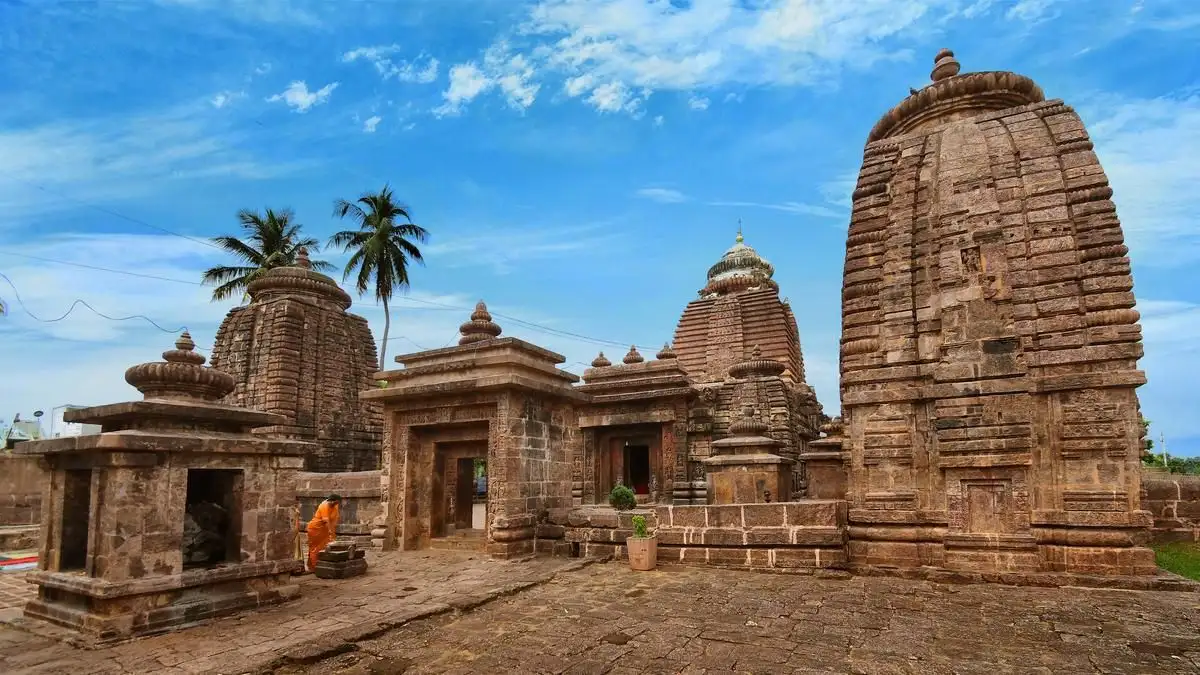
The temple, situated in Andhra Pradesh's Srikakulam district, is described as a significant historical site, dedicated to Lord Shiva and known as Sri Mukha Lingeswara Swamy. It comprises three ancient temples within a single location, built in the distinct Kalinga architectural style. It stands on the banks of the Vamsadhara river.
Festival and Historical Context
Beyond its architectural and potential heritage status, the Srimukhalingam temple is associated with a major festival, Chakrateertham, which follows Mahashivaratri. This event reportedly draws over one lakh devotees who participate in a holy dip in the Vamsadhara river, a practice likened to the Kumbhamela on the Ganga. The temple's historical roots are traced back to the 8th century.
Read More: Why the New Atheism movement lost public influence by April 2026
Historically, the site, once known as Kalinganagari, served as the capital of the Eastern Ganga Dynasty for a considerable period, from the 6th to the 12th century AD. This historical significance underscores the ongoing dialogues surrounding its preservation and recognition.