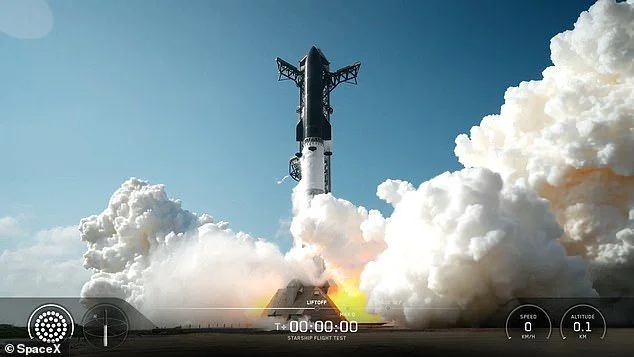
On May 22, 2026, SpaceX launched its Starship V3 spacecraft from the company's Starbase facility in Texas. The vehicle, identified as the 12th iteration of the flight program, operated for approximately 66 minutes before executing a splashdown in the Indian Ocean, where it was deliberately destroyed.
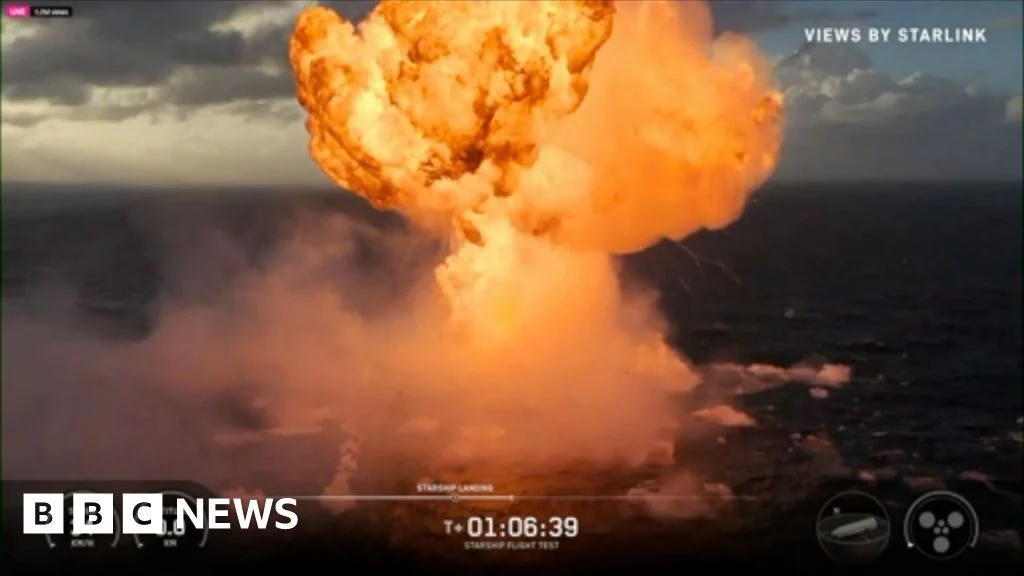
The intentional destruction of the spacecraft following its descent serves as the operational conclusion for this specific test, as the vehicle was not slated for recovery.

Mission Performance and Technical Outcomes
Despite reaching space and completing a majority of its flight profile, the mission experienced various technical challenges throughout the duration of the flight:
Deployment: The spacecraft successfully released 22 mock Starlink satellites, fulfilling a primary testing objective.
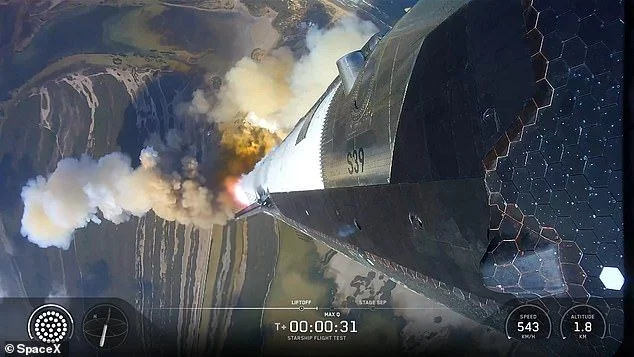
Engine Performance: Both the primary booster stage, known as the Super Heavy, and the upper Starship craft encountered engine failures during the ascent.
Atmospheric Re-entry: The craft maintained structural integrity while passing through the atmosphere, effectively testing its heat-shielding capabilities under stress before reaching the designated landing zone.
Flight Readiness: The launch proceeded one day behind the original schedule, following a postponement attributed to a malfunctioning hydraulic pin within the launch tower.
Strategic Context
The Starship V3 program represents a central pillar in Elon Musk’s long-term objectives for lunar and Martian exploration. The platform is designed to be the most powerful rocket ever developed, with current test cycles acting as precursors for NASA’s Artemis program, which intends to utilize the technology for future crewed lunar missions.
Read More: NASA Robot Mission Launched to Raise Swift Telescope Orbit, Add 10 Years
| Milestone | Status |
|---|---|
| Launch Success | Confirmed |
| Payload Deployment | Successful (Mock Satellites) |
| Recovery Plan | None (Expendable test) |
| Technical Status | Ongoing (Engine reliability review) |
While the company characterizes the mission as a success due to the volume of flight data acquired, the event follows a sequence of historical flight test outcomes. As SpaceX approaches an anticipated public offering, the technical results from these trials remain critical for determining the feasibility of fully reusable, deep-space transit systems.