The English Football League (EFL) has formally expelled Southampton from the Championship play-offs following an investigation into a systemic campaign of espionage. An independent commission characterized the club’s operations as a “contrived and determined plan from the top down,” noting that head coach Tonda Eckert personally authorized the illicit surveillance of opponents.
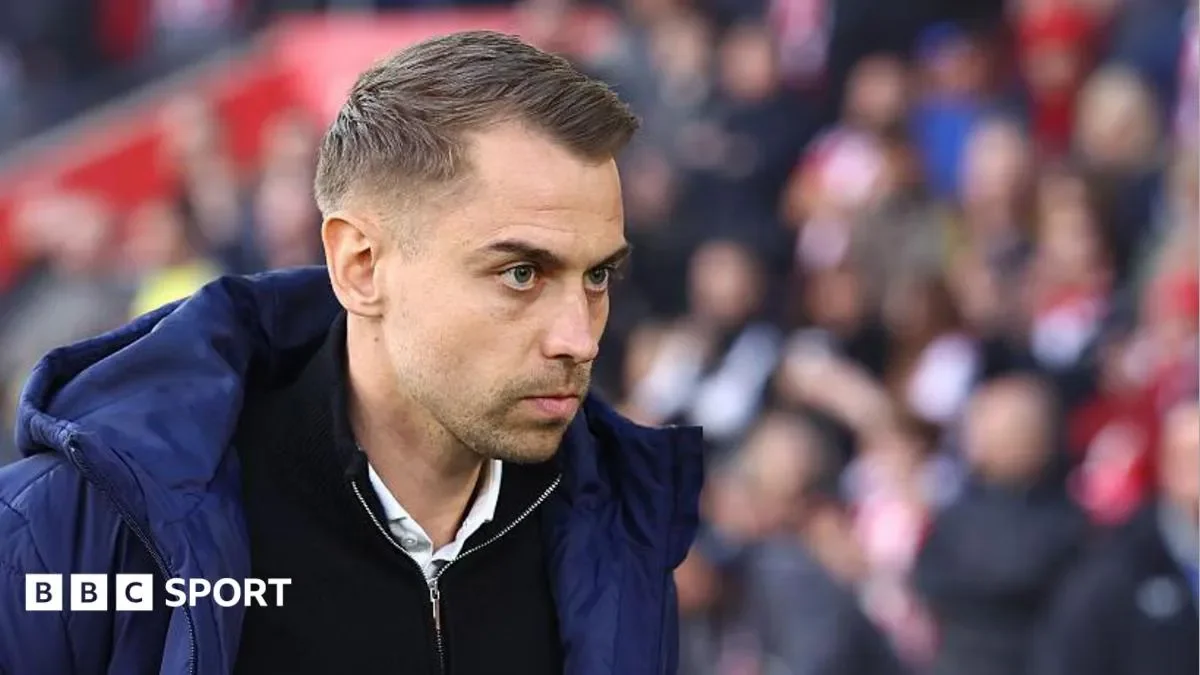
Core sanctions include immediate removal from the promotion tournament, a four-point deduction for the upcoming 2026-27 season, and a formal reprimand from the governing body.

Tactical Surveillance and Disciplinary Fallout
The breach involved the deployment of junior staff and analysts to infiltrate the training sessions of three separate clubs: Oxford United (December 2025), Ipswich Town (April 2026), and Middlesbrough (May 2026). The investigation revealed:
Institutional Pressure: Interns were reportedly compelled to conduct the clandestine observations, a practice the commission labeled as "deplorable."
Targeted Intel: Eckert directed the scouting of Oxford to discern their formation following a managerial shift and sought data on the fitness of specific Middlesbrough personnel.
Legal Standing: Following a failed appeal process, Millwall and Wrexham are now reportedly exploring their own legal options regarding the integrity of the season’s final standings.
Chronology of the Disruption
| Event | Date |
|---|---|
| Middlesbrough complaint lodged | 07/05/2026 |
| EFL expulsion ruling | 19/05/2026 |
| Appeal dismissal | 20/05/2026 |
| FA investigation launch | 21/05/2026 |
The expulsion forces an immediate realignment of the promotion schedule. The EFL Championship play-off final will now proceed between Hull City and Middlesbrough at Wembley.
Read More: Man Utd Stalls Lewis Hall Transfer to Prioritize Midfield Signings

Institutional Reflexivity
While Eckert has issued an admission of responsibility, the structural implications for the club remain severe. The Football Association (FA) has opened a secondary investigation, indicating that the sporting penalties issued by the EFL may not represent the final scope of the consequences.
The incident highlights a friction point in modern professional football: the point where high-pressure performance targets collide with basic regulations governing fair competition. By centralizing the authority for these actions within the head coach's office, Southampton transformed a series of tactical decisions into an existential crisis for the club. The commission's focus on the "top-down" nature of the plan suggests that the penalty serves not merely as a reaction to individual infractions, but as a rejection of the internal culture that facilitated them.
Read More: England Cricket Captaincy: Harry Brook Leads Race After Stokes Quits