:max_bytes(150000):strip_icc()/Simply-Recipes-Slow-Cooker-Tip-LEAD-OPTION-01-or-02-6641fb4d4bcf4be1b1338da43cac2b49.jpg)
The Allure of Effortless Meals Masking a Hidden Peril
The promise of a slow cooker is simple: toss in ingredients, set it, and forget it, returning later to a perfectly cooked, aromatic meal. This appliance, a staple in kitchens worldwide, boasts an almost magical ability to transform raw produce and tough cuts of meat into tender, flavorful dishes with minimal effort. Yet, a closer look reveals a simmering discontent among culinary experts and home cooks alike. Reports from across the web consistently highlight a series of "common mistakes" that not only sabotage the taste and texture of our meals but, more alarmingly, could be posing significant health risks. Are these kitchen gadgets truly the guardians of effortless, healthy eating, or are we unwittingly playing Russian roulette with our dinners?
A History of Convenient Cooking, Now Under Scrutiny
The slow cooker, often referred to by its pioneering brand name Crock-Pot, emerged in the mid-20th century as a solution for busy families seeking convenient meal preparation. Its gentle, consistent heat promised tender results without constant monitoring. Early iterations were designed to simulate long, slow cooking methods traditionally achieved through hours on a stovetop or in a conventional oven. However, as its popularity surged, so did the variety of recipes and user adaptations. This widespread adoption, coupled with varying levels of culinary knowledge, appears to have created a fertile ground for errors.
Read More: Air Fryer Popularity: Is This Kitchen Gadget a Fad or Here to Stay?
Across a span of recent publications in late 2024 and 2025, a recurring theme emerges: a set of fundamental errors that kitchen authorities repeatedly warn against. These aren't nuanced techniques for Michelin-star aspirations, but rather basic guidelines that, when ignored, lead to subpar food and, potentially, sickness.
Early 1970s: The Crock-Pot is introduced, revolutionizing home cooking with its "set-it-and-forget-it" appeal.
Late 20th Century: Slow cookers become a kitchen staple, celebrated for convenience and the ability to tenderize cheaper cuts of meat.
Early 21st Century (Ongoing): With widespread internet access and recipe sharing, a multitude of slow cooker guides and user experiences proliferate, bringing common mistakes to light.
The Critical Flaws: Unpacking the Dangerous Missteps
The sheer volume of articles dedicated to slow cooker mistakes suggests a systemic issue. These aren't isolated incidents but rather widespread practices that manufacturers and food safety advocates are repeatedly trying to correct. The core of the problem seems to stem from a misunderstanding of how slow cookers function and their inherent limitations, leading to potentially dangerous consequences.
One of the most frequently cited and concerning errors is the direct insertion of frozen foods, particularly meats, into the slow cooker. Experts are unequivocal on this point:
Read More: Actress Daniela Nardini opens Glasgow therapy practice
"Placing frozen meats, vegetables or prepared meals in a slow cooker is not recommended, as it may take them too long to fully thaw and begin cooking." (AARP)
Why is this so problematic? Slow cookers are designed to bring food up to a safe cooking temperature gradually. When you introduce a frozen mass, especially meat, the appliance spends an extended period in the "danger zone" – the temperature range between 40°F and 140°F (4°C and 60°C) where bacteria multiply rapidly. This extended time in the danger zone can allow harmful pathogens to proliferate to unsafe levels before the food is adequately cooked through.
The "Danger Zone" Explained: This is the critical temperature range where foodborne bacteria thrive.
Frozen Food Fiasco: Introducing frozen items significantly increases the time food lingers in this zone.
Commercial Exception: The only documented exception is commercially prepared meals specifically designed to be cooked from frozen in a slow cooker, implying these products have been formulated and tested for safe thawing and cooking times.
Another persistent mistake involves the amount of food placed in the cooker. Overfilling is a significant concern:
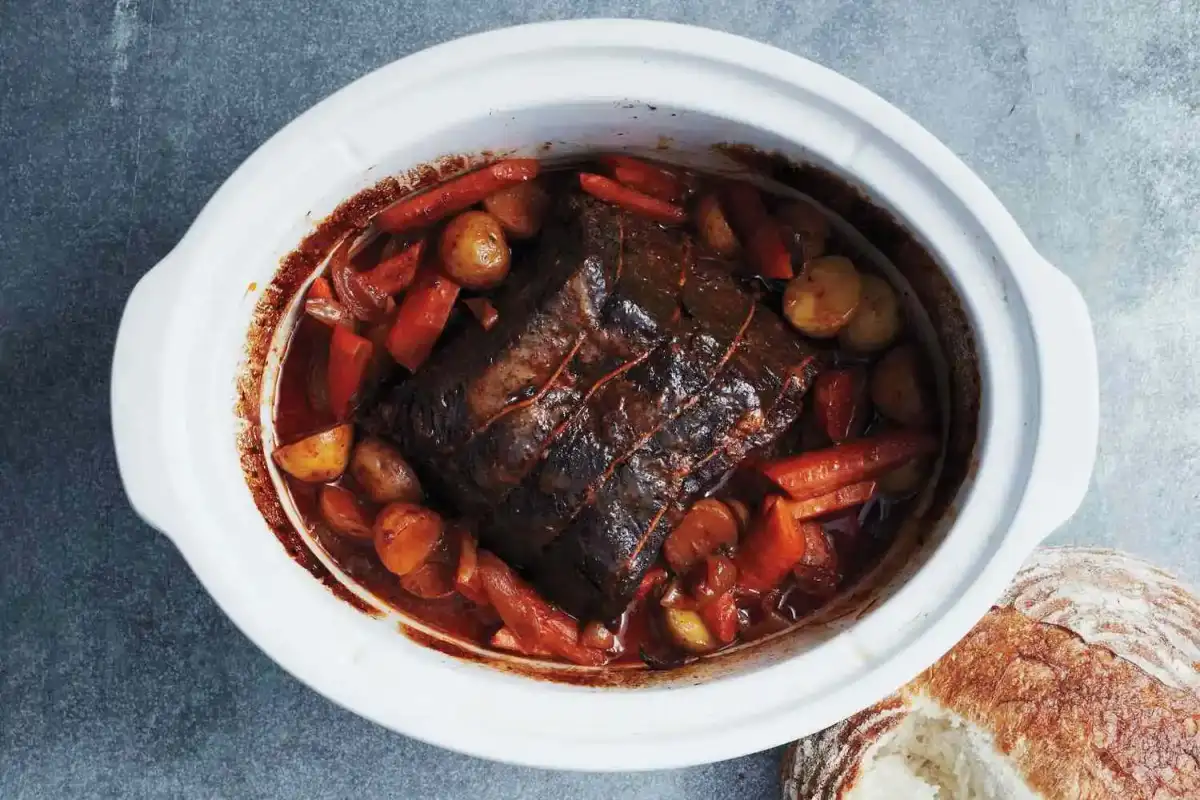
"This will technically overfill the slow cooker." (Martha Stewart)
When a slow cooker is packed too full, it impedes proper heat circulation. The food at the center may not reach a safe cooking temperature, or the cooking time will be drastically extended, again increasing the risk of bacterial growth. Conversely, underfilling can lead to overcooking and dry, unappetizing results.
Read More: Making Great Coffee at Home is Easier Now
The "Don't Reheat with Your Slow Cooker" Mandate
Beyond safety, the effectiveness of the slow cooker for certain tasks is also being questioned. A glaring error, mentioned in multiple reports, is using the slow cooker for reheating leftovers:
"Your slow cooker excels at cooking raw ingredients slowly and safely, but it’s terrible for reheating already-cooked food." (Chloe's Recipes)"If you need to reheat leftovers, skip the slow cooker, per the USDA." (Martha Stewart)
This seems counterintuitive to the appliance's "convenient" reputation. The argument is that slow cookers are best for breaking down raw ingredients over long periods. Reheating already cooked food in a slow cooker can lead to uneven heating and, once again, prolonged exposure to the danger zone if not done carefully. Faster methods like microwaves or stovetops are recommended for efficient and safe reheating.
Stovetop/Microwave: Efficient for rapid reheating, minimizing time in the danger zone.
Slow Cooker Reheating: Can lead to uneven temperatures and extended "warm-up" times, risking bacterial growth.
The Alchemy of Flavor: Browning and Herbs
Beyond safety, there are fundamental techniques that, when bypassed, result in bland or uninspired dishes. The failure to sear meat before slow cooking is a prime example:
"Another slow cooker mistake is failing to sear meat before adding it to the appliance." (Martha Stewart)"Not Browning Meat Before Slow Cooking" (Snatch Recipes)
Searing meat creates the Maillard reaction – a chemical process that develops complex flavors and a desirable brown crust. While a slow cooker can tenderize meat, it cannot replicate this crucial flavor-building step. Omitting this step results in meat that might be tender but lacks depth and character. Similarly, adding fresh herbs too early can be a culinary misstep:
Read More: Kitchen Appliance Overload: Are You Wasting Money on Gadgets You Don't Need?
"Fresh herbs lose their potency and bright taste when subjected to hours of slow cooking." (Chloe's Recipes)
The prolonged heat degrades the volatile oils responsible for the fresh, vibrant flavor of herbs. Chefs advise adding them towards the end of the cooking process to preserve their essence.
Flavor Foundation: Searing meat builds a rich flavor base.
Herb Preservation: Adding fresh herbs late ensures their aroma and taste are preserved.
The "Open Lid" Temptation and Liquid Logic
Two more common pitfalls revolve around frequent lid lifting and liquid management. The allure of checking on your food is strong, but it's detrimental to the cooking process:

"Every time you lift the lid to check on your food, precious steam escapes, adding more cook time to your dinner." (Delish)
Each time the lid is removed, the internal temperature of the slow cooker drops significantly. This necessitates longer cooking times, undoing the convenience factor and potentially affecting the final texture. Furthermore, the role of liquid is often misunderstood:
"Your slow-cooker isn’t a swimming pool, so don’t treat it like one." (Midlife Healthy Living)"Unlike stovetop cooking, slow cooker's sealed lid recirculates all moisture, so there is no evaporation." (Airfryer Mom)
Because the lid is sealed, moisture released from the ingredients is trapped and recirculated. Adding too much liquid, as if cooking on a stovetop, can lead to watery, diluted meals. Recipes need to be adjusted for this lack of evaporation.
Lid-Off Impact: Significant temperature drops extend cooking time.
Liquid Overload: Undermines flavor concentration and can lead to a watery result.
Expert Insights: The Subtle Science of Slow Cooking
Sarah Olson, a prolific creator of slow cooker recipes with over a decade of experience, notes that many users experience "meh results." Her perspective, echoed by others, suggests that slow cookers are a tool with specific operating principles, not a magical culinary orb. The consensus among culinary authorities is clear: these appliances are designed for cooking from scratch, not as universal solutions for all meal-prep needs.
"They’re meant for cooking meals from scratch, not reheating.” (Sarah Olson, via Simply Recipes)
This distinction is critical. When used as intended – with fresh ingredients, properly thawed, and with an understanding of their unique cooking environment – slow cookers can indeed yield fantastic results. The emphasis is on intention and understanding.
The Reckoning: Safety, Flavor, and the Future of Our Kitchens
The recurring warnings about slow cooker usage paint a stark picture. What is promoted as a simple, foolproof method for home cooking is, in practice, fraught with potential pitfalls that can compromise food safety and flavor. The advice to avoid frozen foods, refrain from reheating leftovers in the slow cooker, properly sear meats, manage liquid levels, and resist the urge to constantly check on the food are not mere culinary tips; they are directives aimed at preventing illness and achieving edible, enjoyable meals.
The persistent circulation of this advice across numerous publications underscores a vital public health and culinary education gap. Are we truly aware of the risks associated with our kitchen appliances?
The path forward requires a re-education of the home cook:
Prioritize Thawing: Always thaw meat and poultry completely before adding to the slow cooker.
Embrace Searing: Take the extra minutes to brown meats for enhanced flavor.
Respect the Lid: Keep it on to maintain temperature and cooking efficiency.
Adjust Liquid: Understand that slow cookers retain moisture; reduce liquid accordingly.
Reserve for Fresh: Use slow cookers for raw ingredients, and opt for faster methods for reheating.
Until these fundamental practices are widely adopted, the humble slow cooker may continue to be an unintentional saboteur of both our dinners and, more worryingly, our health. The promise of convenience should never come at the expense of safety.
Sources:
Olson, S. (2025, December 27). Slow Cooker Mistakes That Are Ruining Your Meals (And How To Fix Them). Simply Recipes. https://www.simplyrecipes.com/slow-cooker-mistakes-and-solutions-11870558
Chloe's Recipes. (2025, September 1). The Biggest Slow Cooker Mistakes That Ruin Every Meal. https://chloesrecipes.com/the-biggest-slow-cooker-mistakes-that-ruin-every-meal/
AARP. (2025, February 1). 6 Common Slow Cooker Mistakes That Could Make You Sick. https://www.aarp.org/health/conditions-treatments/slow-cooker-food-safety-tips/
Staff, M. S. (2025, October 11). 7 Common Mistakes to Avoid When Using Your Slow Cooker, According to Chefs. Martha Stewart. https://www.marthastewart.com/slow-cooker-mistakes-7968680
Midlife Healthy Living. (2025, October 29). 14 Common Slow-Cooker Mistakes That Ruin Your Meals. https://midlifehealthyliving.com/common-slow-cooker-mistakes/
Delish. (2025, November 20). The 7 Slow Cooker Mistakes That Ruin Dinner Every Time. https://www.delish.com/food/a69446340/golden-rules-of-slow-cooking/
Ovenspot. (2025, December 17). 18 Common Slow Cooker Mistakes: Prevention and Solutions. https://ovenspot.com/slow-cooker-mistakes/
Snatch Recipes. (2024, December 30). 12 Common Slow Cooker Mistakes to Avoid. https://snatchrecipes.com/slow-cooker-mistakes/
Airfryer Mom. (2025, September 6). 10 Crockpot Mistakes That Are Secretly Ruining Your Meals. https://airfryermom.com/crockpot-mistakes-that-are-secretly-ruining-your-meals/