Introduction
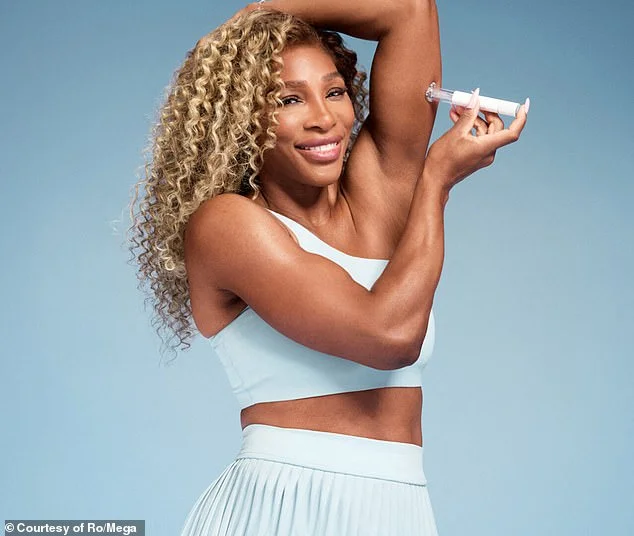
During the recent Super Bowl broadcast, tennis legend Serena Williams featured in a commercial for Ro, a company offering weight loss programs that utilize GLP-1 medications. Williams, who has publicly shared her own weight loss journey, including the use of such medication, appeared as a brand ambassador. The advertisement's airing has led to a notable division in public opinion, with some individuals expressing strong disapproval while others support her choices.
Background
In August of the previous year, Serena Williams announced that she had begun using a GLP-1 medication to help her lose 34 pounds. She has since become a brand ambassador for Ro, a telehealth service that provides access to these medications. The recent Super Bowl commercial marked Ro's first advertisement during the major sporting event, with Williams as its prominent figure. This move has amplified the conversation around weight loss medications and celebrity endorsements.
Read More: New Papers Show Epstein Had Health Problems with Sex Hormones
Evidence of Public Reaction
Social media platforms have become a focal point for reactions to the advertisement:
Criticism:
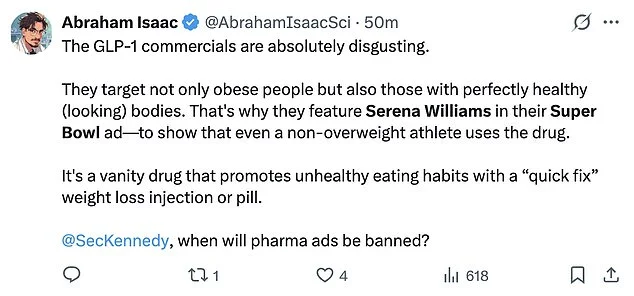
Some viewers described the ad as "disgusting," with one tweet stating, "Known athlete, Serena Williams, pushing weight loss drugs on people was not on my Super Bowl bingo card."
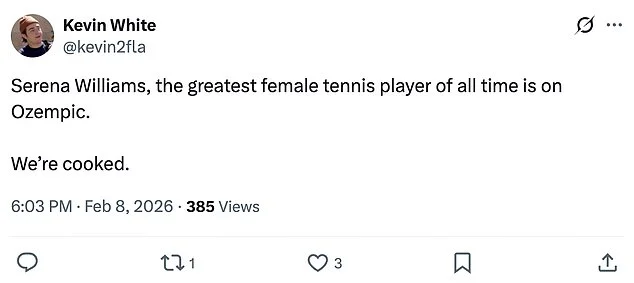
Concerns were raised about the normalization of weight loss drugs, with one comment suggesting, "we're cooked" due to the "greatest tennis player of all time" appearing to endorse "Ozempic."
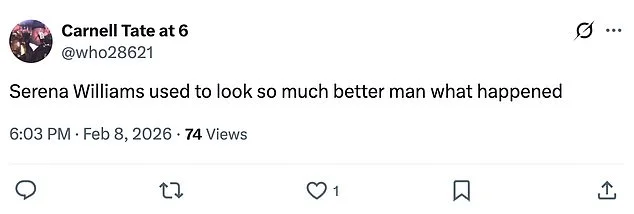
Other critical comments focused on Williams' appearance, with one user writing, "Serena Williams used to look so much better man what happened."
Several users expressed disappointment, calling the GLP-1 commercials "absolutely disgusting" and stating it was a "shame" to promote such medication during the Super Bowl.
Support:
Conversely, some followers of Serena Williams expressed admiration for the ad, noting that she looks "incredible" following her weight loss.
This indicates a split in public sentiment, with differing perspectives on the appropriateness and impact of celebrity endorsements for weight loss treatments.
Company and Personal Involvement
Ro’s decision to feature Serena Williams in their Super Bowl debut highlights the company's strategy to leverage high-profile figures for brand visibility. Williams' personal endorsement stems from her own experience, which she has described as contributing to her feeling "much healthier and happier" after struggling with her weight. Notably, Williams' husband, Alexis Ohanian, is identified as an investor and board member for Ro, adding another layer to the context of this commercial venture.
Read More: Olympic Games Have Many Controversies and Scandals
Discussion on Weight Loss Medications
The advertisement brings attention to GLP-1 medications, a class of drugs often used for weight management. While these medications have gained popularity and are presented by companies like Ro as a solution for individuals struggling to lose weight, there remains a degree of public stigma and debate surrounding their use and promotion. Williams' participation in the ad has brought this discussion to a wider audience during a high-visibility event.
Broader Context
Serena Williams, a celebrated figure in tennis, has largely retired from professional play after a distinguished career. Her post-playing public presence includes endorsements and public statements about her personal life, including her health and wellness journey. This Super Bowl advertisement is part of a broader pattern of athletes transitioning into brand ambassadorships and public advocacy roles after concluding their sports careers.
Conclusion
The Super Bowl advertisement featuring Serena Williams promoting Ro and its weight loss medication has ignited a significant public reaction. While some viewers have voiced strong criticism, deeming the promotion "disgusting" and inappropriate, others have offered support and praised Williams' appearance. This event underscores the ongoing societal discussion surrounding weight loss treatments, celebrity influence, and the marketing of such products. The involvement of Alexis Ohanian further adds to the complex dynamics of this situation. Further analysis would involve examining viewership data and the long-term impact on public perception of both Williams and Ro.
Sources
Daily Mail: Published 2 hours ago. Focuses on criticism and negative reactions to the ad.🔗 https://www.dailymail.co.uk/tvshowbiz/article-15541137/serena-williams-super-bowl-commercial-weight-loss.html
CheatSheet: Published 5 days ago. Highlights the divided fan reaction and Williams' role as brand ambassador.🔗 https://www.cheatsheet.com/news/serena-williams-super-bowl-weight-loss-ad-sparks-online-debate.html/
SheFinds: Published Feb 1, 2026. Discusses Williams' admission to using GLP-1 medication and the "problematic" nature of the ad, noting her husband's investment in Ro.🔗 https://www.shefinds.com/collections/serena-williams-ro-super-bowl-ad-weight-loss-medication/
The Mirror: Published Jan 29, 2026. Reports on Williams touting the weight loss drug in the Super Bowl ad following her body transformation and partnership with Ro.🔗 https://www.themirror.com/sport/tennis/serena-williams-super-bowl-commercial-1650613
The Express: Published Jan 29, 2026. Mentions Williams showcasing her weight loss transformation and using GLP-1 medication, while partnering with Ro.🔗 https://www.the-express.com/sport/tennis/197639/Serena-Wiliams-Super-Bowl-weight-loss-body
Sporting News: Published Jan 28, 2026. Mentions the Super Bowl ad in the context of Williams' retirement and potential tennis comeback.🔗 https://www.sportingnews.com/us/culture/trending/news/serena-williams-answers-potential-tennis-comeback-question-shares-new-super-bowl-ad/692b20a0d8412cc88f52f478
Read More: Actor James Van Der Beek Dies at 48 from Bowel Cancer; Early Signs Often Missed


:max_bytes(150000):strip_icc()/VWH_EarlySignsofColonCancer-be7dc99d4bfb4a37b2e6bec8d9f4cfd7.png)