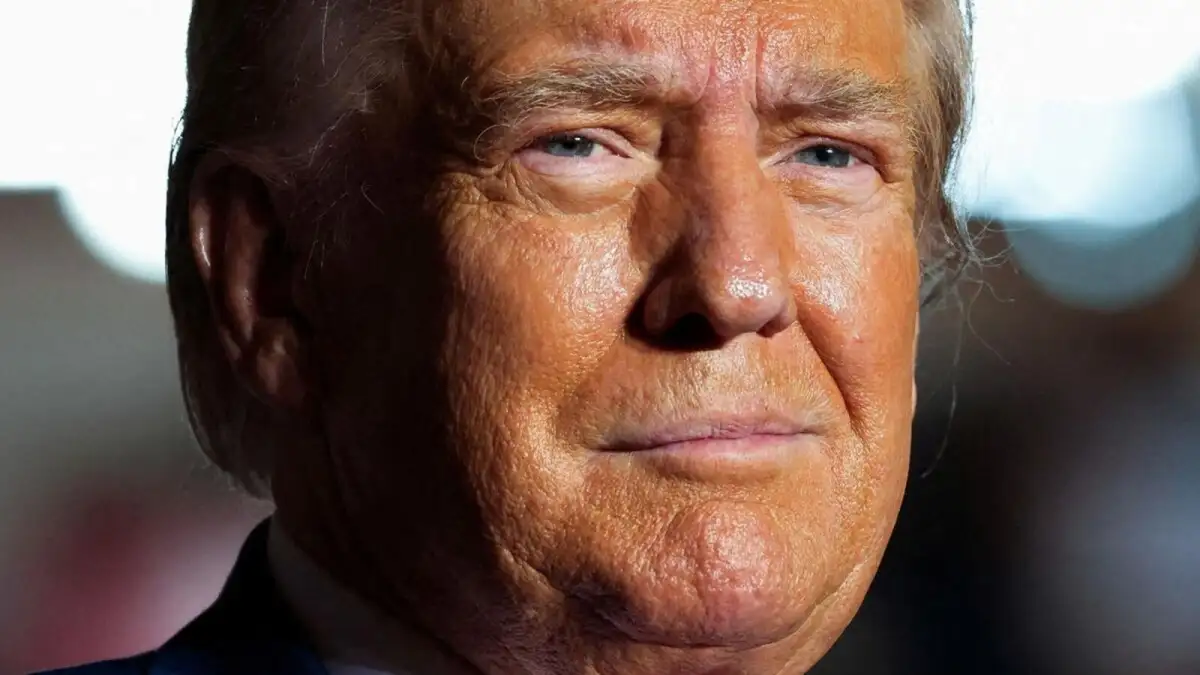
A new bill in Congress, known as the SAVE America Act, is drawing attention for its proposed changes to voter registration and voting procedures. The legislation, backed by congressional Republicans and former President Donald Trump, would mandate photo identification for casting ballots and require proof of citizenship to register to vote. While proponents suggest these measures aim to enhance election security, critics express concern that the bill could disenfranchise eligible voters. The act also proposes new rules for mail-in voting and would override state-level voter registration systems. The bill faces significant hurdles, particularly in the Senate, where Democratic opposition and procedural challenges make its passage uncertain.

Background of the SAVE America Act
The Safeguard American Voter Eligibility (SAVE) America Act has emerged as a focal point in recent legislative discussions concerning election integrity. The bill, a Republican initiative, aims to implement what its supporters describe as crucial safeguards for federal elections.
Read More: US 250th Anniversary on July 7, 2026, sees 20% not celebrating
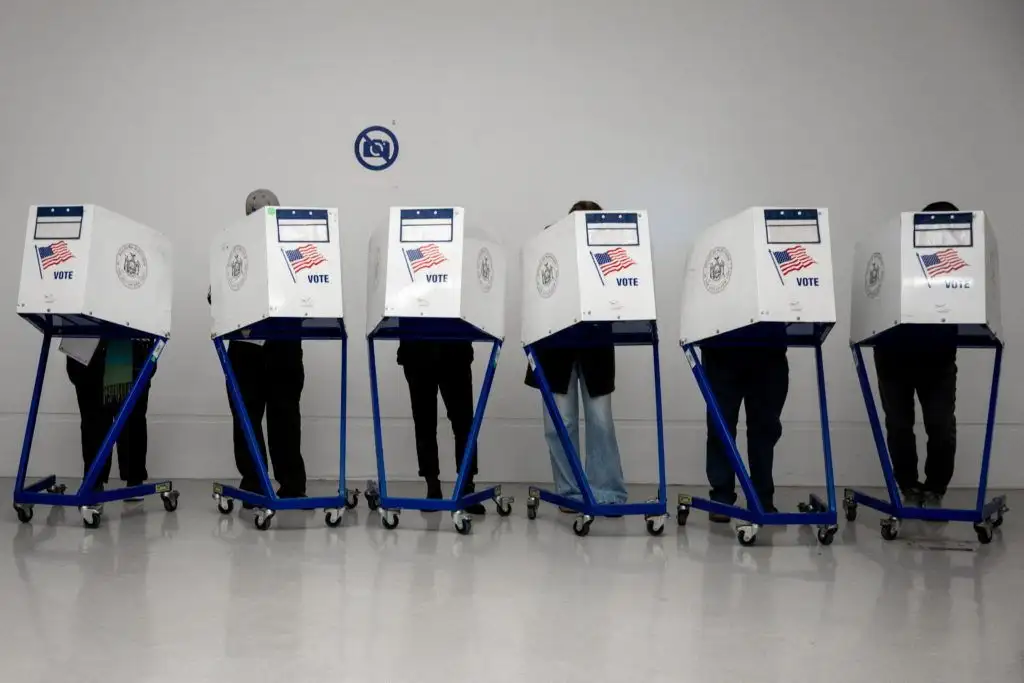
Core Provisions: The central tenets of the SAVE America Act include requiring individuals to present government-issued photo identification when voting and to provide proof of citizenship during the voter registration process.
Impact on Existing Systems: The legislation is designed to establish a nationwide standard, overriding current state-based voter registration systems. This move seeks to create uniformity across the country regarding how voters are registered and verified.
Mail-In Voting Changes: In addition to in-person voting requirements, the act proposes new regulations for absentee or mail-in ballots. Voters would be required to submit a copy of their identification when requesting a ballot and again when returning it.
Potential Impacts on Voters
The proposed requirements of the SAVE America Act have raised concerns among voting rights advocates regarding their potential effect on various segments of the electorate.
Voter Identification Discrepancies: A key concern revolves around individuals whose identification documents may not align with their current legal names. This issue is particularly relevant for married individuals, many of whom change their surnames.
Married individuals changing their names: Their birth certificates or passports might bear a maiden name, while their driver's licenses or other photo IDs could display a married name. This discrepancy could create obstacles in meeting the bill's identification requirements.
Youth and people of color: These groups may also face disproportionate challenges in obtaining or maintaining identification that perfectly matches all their other documents.
Proof of Citizenship: The requirement for proof of citizenship to register to vote is another area of focus. While non-citizens are already prohibited from voting in federal elections, the Brennan Center notes that there is an existing process for verifying citizenship during voter registration. The SAVE America Act's additional documentation requirements could add new layers of complexity.
Mail-In Voting: The stipulations for mail-in voting, requiring ID copies at both the request and submission stages, are seen by some as potentially burdensome, particularly for overseas and military voters who have historically relied on simplified absentee ballot processes.
Legislative Landscape and Challenges
The SAVE America Act faces significant political and procedural obstacles on its path through Congress.

GOP Support and Presidential Backing: The bill has garnered support from many congressional Republicans and has been publicly endorsed by former President Donald Trump, who has urged its passage.
Democratic Opposition: Democrats and voting rights groups have voiced strong opposition, arguing that the bill would disenfranchise millions of eligible voters. They contend that the measures are intended to suppress turnout rather than enhance security.
Senate Hurdles: The Senate represents a major bottleneck for the legislation.
Filibuster Concerns: The bill would likely require overcoming the Senate filibuster, which necessitates 60 votes for most legislation.
Reluctance Among Some Senators: While some Senate Republicans support the bill's aims, there is hesitation regarding its passage without bipartisan support. Democratic senators have signaled their intent to block the bill, making Senate approval appear unlikely.
Filibuster Reform Debate: Discussions around filibuster reform, which could alter the voting threshold for passage, have also been part of the broader debate surrounding the bill.
Analysis of Voter ID and Citizenship Verification
The SAVE America Act's proposed voter ID and citizenship verification requirements are subjects of ongoing debate, with different perspectives on their necessity and impact.
Arguments for Stricter Measures: Proponents of the SAVE America Act, including many Republicans, argue that voter ID laws are essential to prevent voter fraud and ensure election integrity. They believe that requiring identification verifies the eligibility of voters and bolsters public confidence in election outcomes. The measures are presented as a means to safeguard the electoral process.
Concerns about Disenfranchisement: Opponents, such as voting rights organizations and Democrats, counter that the existing systems are sufficient and that stricter ID laws disproportionately affect marginalized communities, including low-income individuals, young people, and racial minorities, who may face greater challenges in obtaining the required identification. They argue that the added requirements could create unnecessary barriers to voting.
Comparison to State Laws: While the SAVE America Act seeks to establish federal standards, some states have already implemented various forms of voter ID laws. However, the SAVE America Act's provisions, particularly regarding proof of citizenship for registration and overriding state systems, are distinct from many existing state-level regulations. It is noted that no single state's REAL ID explicitly marks citizenship status, nor do most state-issued driver's licenses.
Conclusion and Implications
The SAVE America Act represents a significant legislative proposal aimed at reforming voter registration and voting procedures through enhanced identification and citizenship verification requirements. Its passage through Congress remains uncertain due to strong partisan divisions and procedural obstacles, particularly in the Senate.
Potential Consequences: If enacted, the SAVE America Act could fundamentally alter how Americans register and cast their votes in federal elections. The legislation's requirements for photo ID and proof of citizenship, along with its impact on mail-in voting and state registration systems, have led to widespread debate about its potential to either secure elections or disenfranchise eligible voters.
Ongoing Debate: The bill highlights the continuing national discussion on election integrity, voter access, and the balance between these two crucial aspects of the democratic process. The outcome of this legislative effort will have significant implications for future elections and voter participation.
Sources Used:
USAToday: https://www.usatoday.com/story/news/politics/2026/02/12/what-is-the-save-act-voter-id-rules/88642716007/ - This article details the potential effects of the SAVE Act on married individuals, youth, and people of color, as well as changes to mail-in voting.
ABC News: https://abcnews.com/Politics/save-america-act-requiring-voter-id-proof-citizenship/story?id=130006795 - This article focuses on the Trump-backed nature of the SAVE America Act and its requirements for voter ID and proof of citizenship.
PBS NewsHour: https://www.pbs.org/newshour/politics/how-the-save-america-act-would-make-major-changes-to-voting - This report discusses how the SAVE America Act could alter voting processes and mentions existing citizenship verification methods.
CBS News: https://www.cbsnews.com/news/save-america-act-republican-elections-bill/ - This article introduces the SAVE America Act, its Republican backing, and warnings from Democrats about potential disenfranchisement.
All About Lawyer: https://allaboutlawyer.com/what-is-the-save-act-voter-id-law-explained/ - This piece explains the SAVE Act's potential to override state voter registration systems and affect overseas/military voters.
Timesnownews: https://www.timesnownews.com/world/us/us-news/what-is-save-act-bill-and-what-does-it-require-from-american-voters-article-153562151 - This article discusses the SAVE America Act's push by Republicans and Trump, and the challenges it faces in the Senate due to the filibuster.
CNBC: https://www.cnbc.com/2026/02/06/save-act-trump-congress-elections-voting.html - This report highlights the SAVE America Act's emergence as a topic in Republican circles, its requirements for photo ID and proof of citizenship, and the unlikelihood of Senate passage due to Democratic opposition.