Samsung is pushing the envelope on its device capabilities, teasing a novel display technology that purports to measure key physiological markers—heart rate and blood pressure—simply through user interaction with a fingertip. This development signals a move towards more integrated, less invasive health monitoring directly within consumer electronics.
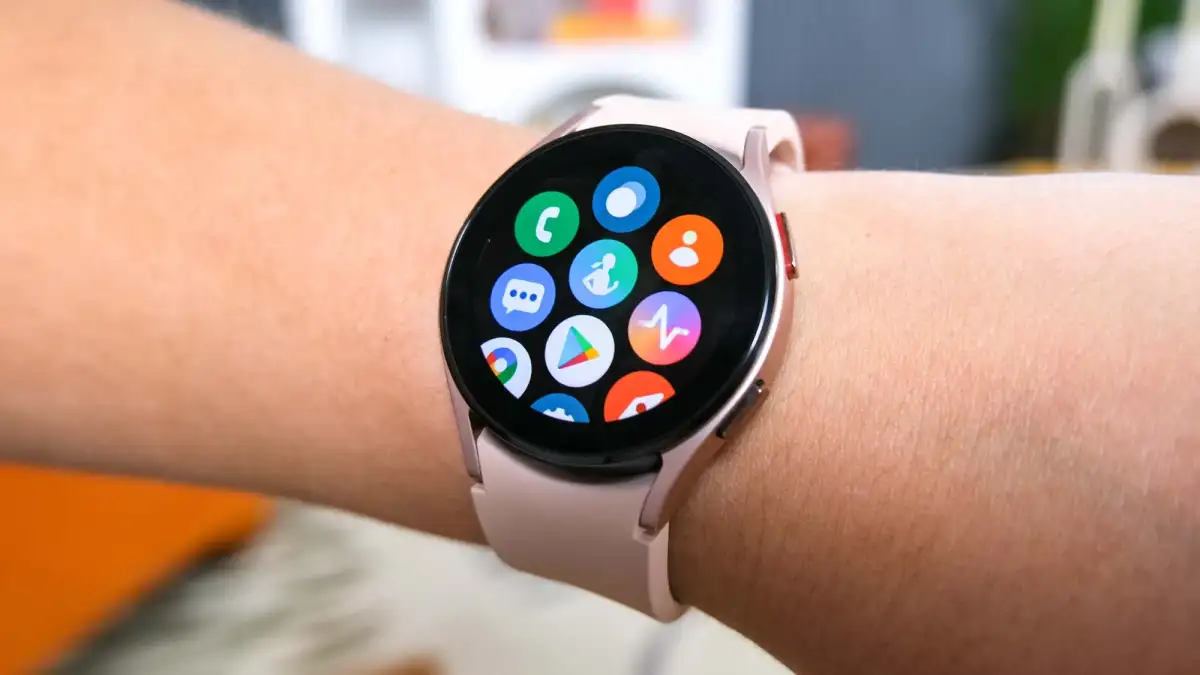
Samsung’s foray into blood pressure monitoring has recently seen its availability expand to U.S. users via the Samsung Health platform, specifically through the Samsung Health Monitor app. This functionality requires a paired 'Galaxy Watch' and a compatible 'Samsung Galaxy' smartphone running Android OS version 12 or higher. Users must calibrate the system using a traditional blood pressure cuff initially. Once set up, the 'Galaxy Watch' can then provide readings for systolic and diastolic blood pressure, alongside pulse, integrated into the 'Samsung Health' ecosystem. This feature has been available in markets outside the U.S. for some time, with the recent expansion bringing it to a broader audience.
Read More: AI Cameras Help Western US Detect Wildfires 45 Minutes Faster
While the company touts this advancement, it's crucial to note the distinction between this diagnostic-adjacent technology and direct medical intervention. Samsung's approach, as detailed by its own press releases, involves estimating blood pressure based on a calibrated value. This contrasts with features like Apple's 'Hypertension Alerts,' which are designed for different monitoring purposes. The 'Galaxy Watch 8' series, including the 'Galaxy Watch 8 Classic' and 'Galaxy Watch 8', are presented as part of this expanding suite of health and wellness tools, which already encompass exercise tracking, nutrition support, and body composition measurement.
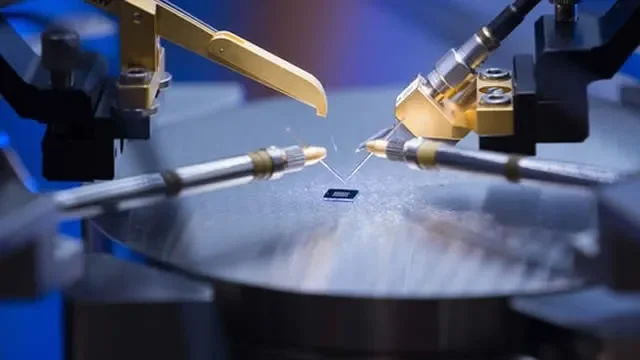
Details on a "New Samsung Sensor OLED Display" that reportedly performs these measurements emerged earlier, with mentions of it being incorporated into future devices like a potential 'Galaxy Tab S10 Lite'. The timeline for this display technology's integration into consumer products remains less concrete, overshadowed by the more immediate rollout of the blood pressure monitoring feature to existing wearable devices. Samsung's ongoing software updates, such as the 'One UI' beta releases, also indicate a consistent effort to refine and expand device functionalities, though these appear largely separate from the direct biometric sensing display.
Read More: Three Dead on MV Hondius Cruise Ship from Suspected Virus