The narrative is already taking shape, but the truth, as is often the case in Libya, remains elusive. Saif al-Islam Gaddafi, the once-groomed successor to his father, the late Libyan dictator Muammar Gaddafi, is reportedly dead. Yet, amidst a cacophony of conflicting reports and hushed sources, the circumstances of his demise are far from clear, sparking grave concerns about what this means for an already fractured nation teetering on the brink of renewed conflict.
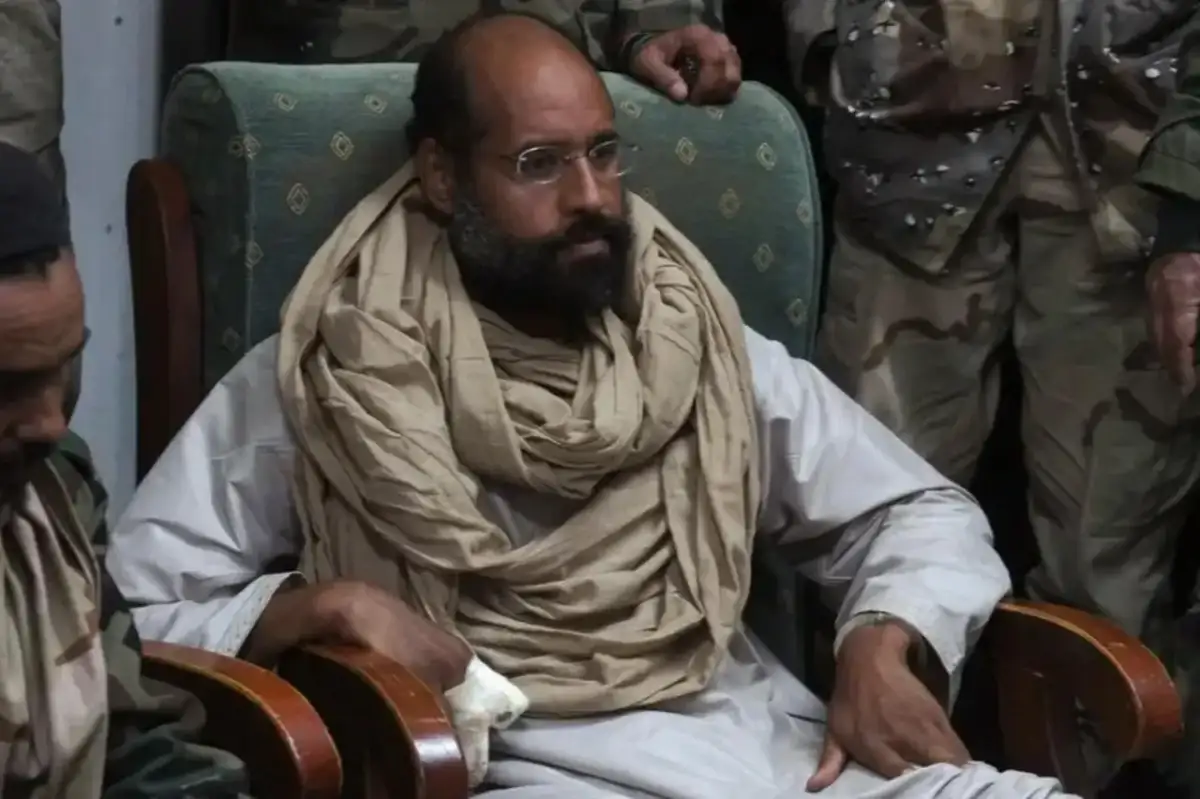
Whispers turned to shouts across Libyan media and international outlets on February 3rd, with numerous reports surfacing within hours of each other. Saif al-Islam, the most prominent of Muammar Gaddafi's sons, was allegedly killed. However, the how, the when, and the where are all subjects of intense speculation. Was it a clash with a militia? An assassination in his garden? Or something else entirely? The lack of a clear, unified account from official Libyan channels only deepens the disquiet.
Read More: Iran Zagros Mountain Nuclear Site Construction Update April 2026

A Legacy of Power, Violence, and Unfulfilled Ambitions
To understand the significance of Saif al-Islam's reported death, we must rewind to the era of his father's iron-fisted rule. Muammar Gaddafi, who seized power in a 1969 coup, presided over Libya for over four decades. During this time, his sons were groomed for influence, with Saif al-Islam often presented as the more modern, reform-minded face of the regime. Educated at the prestigious London School of Economics, he was once seen as a potential bridge between Libya and the West, mediating high-profile diplomatic missions and shaping policy.

Early Promise, Later Controversy: Saif al-Islam's initial public image was that of a modernizer, advocating for reforms and presenting a more palatable face of the Gaddafi regime.
The 2011 Uprising: As popular uprisings swept across the Arab world in 2011, Libya erupted in rebellion. Saif al-Islam played a prominent role in the brutal crackdown on protesters, a role for which he was later sentenced to death in absentia by a Libyan court in 2015.
Post-Gaddafi Era: Following his father's death and the collapse of the regime, Saif al-Islam disappeared, eventually resurfacing and being detained by the Zintan militia. He spent years in isolation, a stark contrast to his former privileged life.
Attempted Political Comeback: In a remarkable twist, Saif al-Islam registered as a presidential candidate for Libya's repeatedly delayed elections in 2021, signaling a desire to re-enter the political fray and, for some, representing a potential return of the Gaddafi legacy.
"He was seen as a potential successor, even a reformer, before the revolution. His subsequent role in suppressing protests and his later detention made him a deeply divisive figure."
A Murky Trail of Death: Competing Narratives Emerge
The reports of Saif al-Islam's death paint a confusing, often contradictory, picture. While multiple sources confirm his demise, the details are scarce and often sensationalized, leaving many questions unanswered.
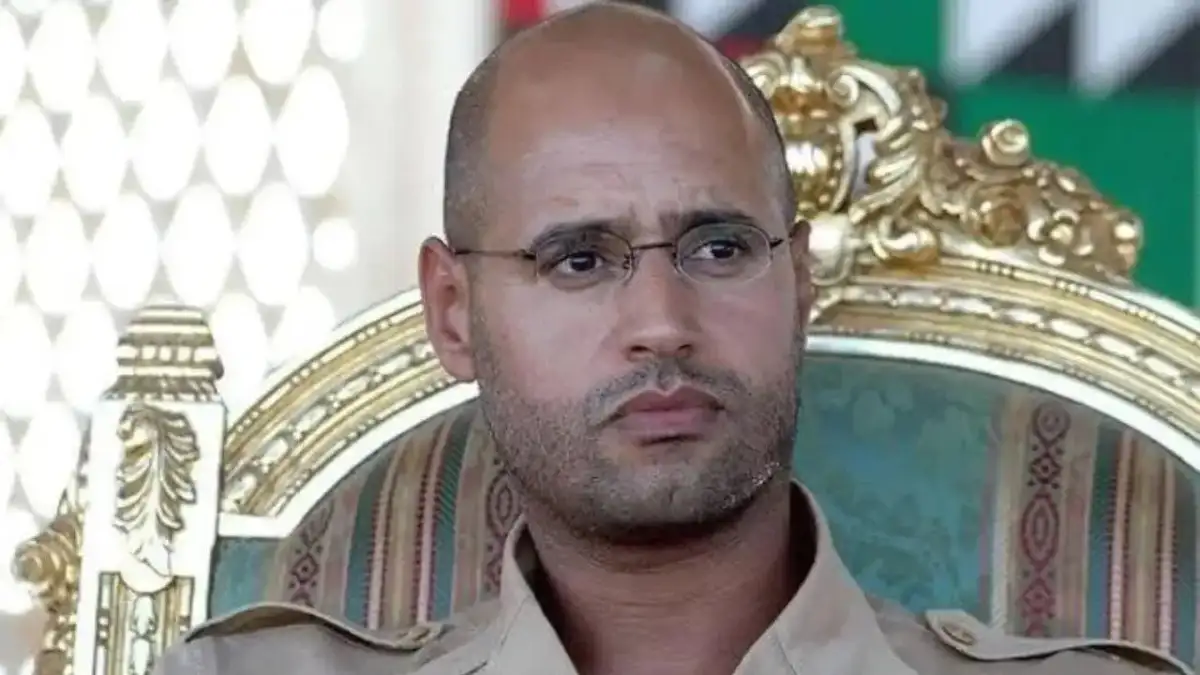
Clash with a Militia: Some reports, notably from Türkiye Today and Xinhua, suggest Saif al-Islam was killed in an "armed confrontation" or "clash" with the 444th Brigade, a prominent Tripoli-based militia. Abdullah Osman, identified as an adviser to Saif al-Islam, reportedly confirmed the death following this confrontation. However, the 444th Brigade has reportedly denied any involvement, adding another layer of confusion.
Assassination in a Garden: More dramatic accounts, appearing on sites like JFeed and Tanzania Times, speak of an "assassination" where "four gunmen infiltrated his private garden and executed him in broad daylight." These reports paint a picture of a targeted killing, possibly by political rivals or even foreign intelligence services, given the "mysterious circumstances" often cited.
Unspecified Death Near Algerian Border: A BBC report mentions his sister telling Libyan TV that he died near the country's border with Algeria, without specifying how. This vague detail offers little insight but highlights the fractured nature of information flowing out of Libya.
Lawyer and Family Sources: Many reports cite "sources close to the family," "his lawyer Khaled el-Zaydi," and "Libyan media" as confirming the death. While these are common attributions in breaking news, the lack of an official, verifiable statement from any central Libyan authority is striking.
| Source | Reported Circumstances of Death | Key Actors Mentioned | Confirmation Status |
|---|---|---|---|
| BBC | Died near Algeria border; how is unclear. | Sister (via Libyan TV) | Unconfirmed |
| Türkiye Today / Xinhua | Allegedly killed in a clash with the 444th Brigade. | Saif al-Islam, 444th Brigade, Abdullah Osman (adviser) | Conflicting (Brigade denies) |
| JFeed / Tanzania Times | Executed in his private garden by four gunmen. | Unspecified assassins, possibly political rivals/intel. | Unconfirmed |
| TRT World / US News / NDTV | Details unclear; reported by family sources, lawyer, and Libyan media. | Khaled el-Zaydi (lawyer) | Unconfirmed |
| Devdiscourse | Details scant; confirmed by family sources, lawyer, and Libyan media. | Khaled el-Zaydi (lawyer) | Unconfirmed |
The wide discrepancy in reported causes of death – from a militia clash to a garden assassination – underscores the lack of concrete information and suggests a potential deliberate effort to obscure the truth.
Read More: Fikra API Africa Mobile Money AI Access for Developers
Who Benefits? The Political Fallout in a Divided Libya
Saif al-Islam's very existence after the 2011 revolution was a source of tension. His detention by the Zintan militia, who refused to hand him over to the International Criminal Court (ICC) or the Tripoli government, highlighted the deep fissures within Libya. His registration as a presidential candidate further complicated an already paralyzed political landscape.
A Symbol of the Past: For many who suffered under his father's regime, Saif al-Islam represented the oppressive past. His potential return to power was seen as a threat to the democratic aspirations of the revolution.
A Unifying Figure for Loyalists? Conversely, for Gaddafi loyalists and some seeking a return to stability, Saif al-Islam was viewed as a potential unifying figure, capable of restoring order and national pride.
Destabilizing Force: His presence, even in detention, was seen by the UN-backed government as a "destabilizing force" capable of rallying Gaddafi loyalists. His reported death, particularly if it involved foul play, could ignite vengeful actions from his followers.
Fueling Future Conflict: The fear is palpable: "many fear that his followers may seek revenge against rival factions, potentially sparking a new wave of violence in a country that has seen little peace since the fall of the Jamahiriya." This sentiment, echoed across reports, points to a dangerous future.
"His role in the 2011 crackdown and his subsequent attempts at a political comeback made him a potent symbol, capable of both rallying support and instigating deep-seated opposition."
Lingering Questions and the Shadow of the ICC
Beyond the immediate chaos, Saif al-Islam's death raises profound questions that demand answers.
Was his death orchestrated? If the assassination reports are accurate, who had the motive and the capability to carry out such a precise operation? Were high-level political rivals or foreign intelligence services involved?
What role did the 444th Brigade play? If they were involved in a clash, why the denial? What were the circumstances that led to confrontation, if any?
What about the International Criminal Court (ICC)? Saif al-Islam was provisionally charged with crimes against humanity by the ICC. Did his death occur before any potential transfer or trial could take place? Does this development have any bearing on the ICC's ongoing work or future investigations in Libya?
Who truly controls the narrative in Libya? The fragmented media landscape and the reliance on anonymous sources highlight the difficulty in discerning truth from propaganda in the post-Gaddafi era.
What does this mean for Libya's fractured governance? With competing governments and militias vying for power, Saif al-Islam's reported demise could further destabilize the fragile security situation, potentially leading to a power vacuum or an escalation of existing conflicts.
The lack of a definitive account and the conflicting narratives surrounding Saif al-Islam Gaddafi's death are not merely journalistic challenges; they are potent indicators of the ongoing instability and the deeply entrenched power struggles that continue to plague Libya.
The absence of clear confirmation from Libyan authorities is perhaps the most telling detail. In a country where information is often weaponized and truth is a casualty of conflict, the death of Saif al-Islam Gaddafi is likely to become another chapter in a long, bloody, and unresolved saga. The real question is not just how he died, but what his death will ignite in the already smoldering embers of Libya.
Read More: 40 Die in Quetta to Peshawar Bus Crash in Balochistan on April 3 2026
Sources:
Türkiye Today: https://www.turkiyetoday.com/region/gaddafis-son-killed-in-clashes-as-444th-brigade-denies-involvement-3213998
US News: https://www.usnews.com/news/world/articles/2026-02-03/saif-al-islam-gaddafi-son-of-late-libyan-leader-has-been-killed-sources-say
Xinhua (English.news.cn): https://english.news.cn/20260204/896298fd7def47b98531b220f5cc4497/c.html
NDTV: https://www.ndtv.com/world-news/saif-al-islam-gaddafi-son-of-late-libyan-leader-has-been-killed-sources-say-10941503
Timesnownews: https://www.timesnownews.com/world/who-was-saif-al-islam-gaddafi-death-libya-muammar-gaddafi-son-cause-of-death-article-153556487
Straitstimes: https://www.straitstimes.com/world/saif-al-islam-gaddafi-son-of-late-libyan-leader-has-been-killed-sources-say
Khaleejtimes: https://www.khaleejtimes.com/world/mena/saif-al-islam-gaddafi-killed-libya
Devdiscourse: https://www.devdiscourse.com/article/politics/3792582-death-of-saif-al-islam-gaddafi-shocks-libya
Tanzania Times: https://tanzaniatimes.net/who-killed-saif-al-islam-the-son-of-muammar-gaddafi/
Lapresse.US: https://lapresse.us/world/2026/02/03/libya-saif-al-islam-son-of-gaddafi-killed/
JFeed: https://www.jfeed.com/news-world/saif-al-islam-gaddafi-killed
Aljazeera: https://www.aljazeera.com/news/2026/2/3/saif-al-islam-gaddafi-son-of-former-leader-killed-in-libya
AA.com.tr: https://www.aa.com.tr/en/africa/muammar-gaddafi-s-son-saif-al-islam-killed-in-libya-s-zintan-city-lawyer/3819390