Introduction
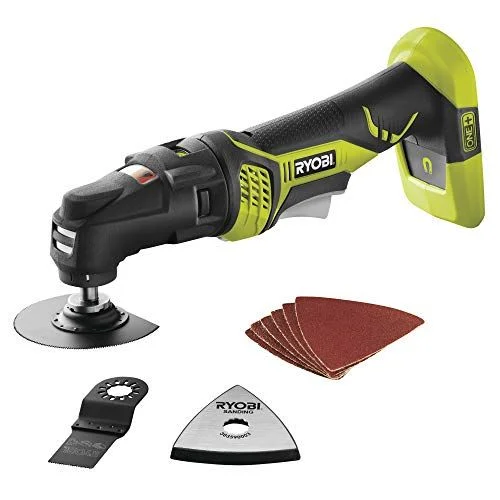
Ryobi power tools are a common sight for many individuals undertaking home improvement projects. Despite their widespread use and sales, there's a noticeable division in how these tools are perceived. Some users express strong satisfaction, while others, particularly those with professional experience, voice criticisms. This report examines the reasons behind Ryobi's sustained popularity among DIYers and the nature of the critiques it faces.
Background
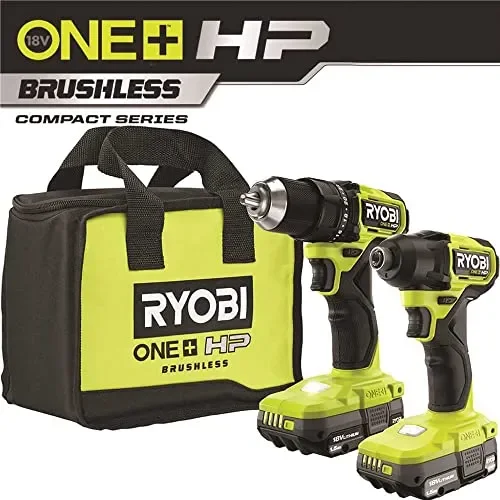
Ryobi is a brand that offers a broad range of tools, from cordless power equipment to outdoor gear and even lifestyle products. This wide selection, combined with a competitive price point, has made Ryobi a go-to choice for many consumers. The brand also features different battery platforms, including a high-voltage 80V system designed to rival gas-powered equipment.
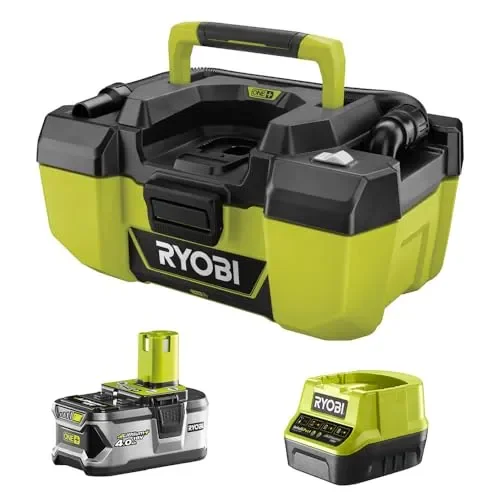
Market Presence: Ryobi products are readily available and cover a vast spectrum of consumer needs in the tool market.
Product Range: The brand extends beyond basic power tools to include audio equipment and pressure washers.
Technological Offerings: Ryobi has invested in advanced battery technology, notably its 40V and 80V cordless systems.
Evidence of User Satisfaction
Many individuals who use Ryobi tools for their personal projects report high levels of contentment.
Read More: Fanttik D2 Green Laser Level Now Under $30 for DIY Projects
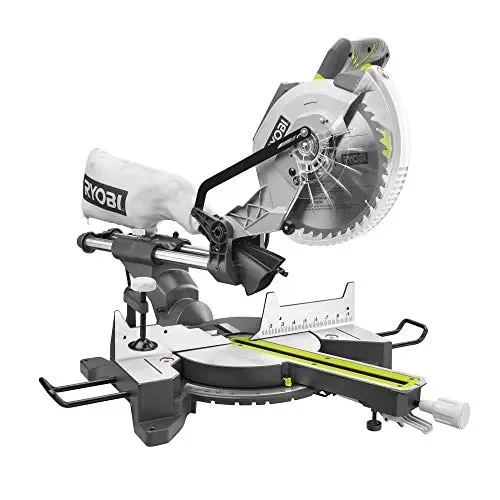
"Ryobi owners love their tools I can tell you that without a doubt, I'm extremely happy with all of my Ryobi tools." - HowToGeek.com
This sentiment suggests that for its intended users, Ryobi tools meet or exceed expectations.
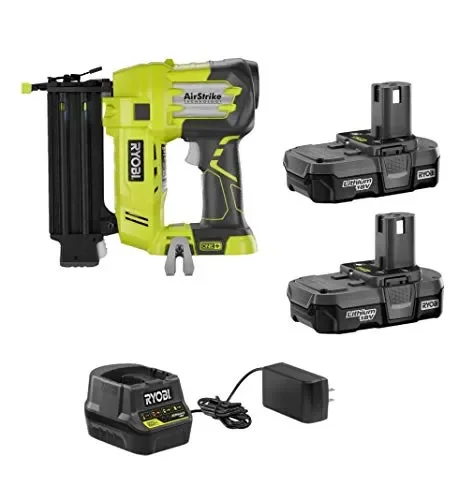
Target Audience Alignment: Tools are often found to be "pretty great, especially for the target audience."
Unique Offerings: Ryobi provides some tools that are not easily found from competing brands like DeWalt.
Positive User Experiences: Reports indicate users are "extremely happy" with their Ryobi tool collections.
Sources of Criticism
The criticisms leveled against Ryobi tools often stem from a comparison with higher-end, professional-grade equipment.
"If you expect say a Ryobi BT3100 table saw to perform like a 5HP cabinet saw, you WILL be sorely disappointed." - WoodworkingTalk.com
This perspective suggests that disappointment arises when Ryobi tools are held to standards not aligned with their design or price point.
Performance Expectations: When Ryobi tools are compared to heavy-duty, professional-grade machines, their performance may fall short.
Durability and Longevity: Implicit in some criticisms is a concern about the long-term durability for intensive use.
Professional vs. DIY Use: The divide in opinion often separates those who use tools daily for work from those who use them for occasional home projects.
The Ryobi Value Proposition
Ryobi's strong market position is largely attributed to its accessible pricing strategy, which makes power tools available to a wider consumer base.
Cost-Effectiveness: Ryobi tools are often noted as being "less expensive than competitors."
Tempting Price Point: Their pricing makes the tools an attractive option for consumers, contributing to their popularity.
Accessibility: The combination of availability and affordability makes Ryobi a frequent choice for individuals new to DIY or those on a budget.
Brand Perception and Market Strategy
While Ryobi faces scrutiny from some tool enthusiasts, its broad appeal indicates a successful strategy in serving the DIY market. The brand offers a variety of products, including those designed for specific applications and user needs.
Diverse Product Lines: Ryobi caters to various needs with its extensive catalog, including specialized tools.
Innovation in Cordless Technology: The development of advanced battery platforms like the 40V and 80V lines demonstrates an effort to keep pace with technological advancements.
Balancing Cost and Performance: Ryobi appears to have found a balance that appeals to a significant segment of the market, prioritizing affordability and usability for home projects.
Conclusion
Ryobi's enduring popularity among DIYers is a testament to its successful strategy of offering a wide array of affordable tools that meet the demands of typical home improvement tasks. The criticism it receives often originates from comparisons with professional-grade equipment, which may not represent the expectations or needs of the average Ryobi buyer. The brand's ability to provide functional tools at a lower cost point appears to be the primary driver of its continued sales and user satisfaction within its target market.
Read More: Stanley Cup Finals Start Date Unclear, Tumbler Sales Strong
Sources
WoodworkingTalk.com: "Why do people dislike Ryobi?"
https://www.woodworkingtalk.com/threads/why-do-people-dislike-ryobi.228503/
Context: Forum discussion providing anecdotal user experiences and comparative analysis of tool performance.
HowToGeek.com: "If Ryobi Is So “Bad,” Why Do So Many DIYers Keep Buying Them?"
https://www.howtogeek.com/if-ryobi-so-bad-why-do-so-many-diyers-keep-buying-them/
Context: Article analyzing the reasons for Ryobi's popularity, highlighting user satisfaction and unique product offerings.
ProToolReviews.com: "Is Ryobi a Good Brand and Are Ryobi Tools Any Good?"
https://www.protoolreviews.com/is-ryobi-a-good-brand-and-are-ryobi-tools-any-good/
Context: Professional review site offering an assessment of Ryobi's quality and market position, based on extensive product testing.
Woodsmith Spirit: "Are Ryobi Tools Good? (We Find Out)"
https://woodsmithspirit.com/are-ryobi-tools-good-we-find-out/
Context: An investigative piece exploring the quality and utility of Ryobi tools, considering their cost and performance.
SlashGear.com: "Why Do People Hate On Ryobi So Much? A Quick Dive Into The Discord"
https://www.slashgear.com/1938966/ryobi-tools-reasons-why-people-dislike-brand/
Context: An article delving into the vocal criticisms against the Ryobi brand and exploring the reasons behind this sentiment within the tool community.