Comedian, long vocal about her own mental health battles, counters narrative of national grit as unproductive.
Ruby Wax, the 72-year-old comedian known for her candid discussions of bipolar disorder and depression, has publicly stated that Britain "doesn't need to toughen up." This assertion comes in the wake of a recent political warning from the Labour party about a "lost generation on benefits." Wax's commentary directly challenges the prevailing sentiment that increased national resilience, particularly among those struggling with mental health conditions, is a solution. Wax insists that conditions like bipolar disorder are not amenable to simply "toughening up," drawing parallels to the impossibility of faking serious medical diagnoses.

Wax's stance is rooted in her personal experiences with bipolar disorder and depression, conditions she has managed for decades. She has consistently highlighted that these are not matters of personal failing or a lack of fortitude, but significant health challenges requiring specific understanding and support. Her public advocacy, including stage shows and appearances, aims to destigmatize mental illness and foster a more empathetic societal response. "You can't fake bipolar any more than you can fake cancer," she stated, emphasizing the tangible reality of her conditions. She further suggests that the "cruelty of America is not something to aspire to," implying a critique of potential overly harsh societal attitudes.
Read More: New understanding: Why people bite skin around nails is a brain habit
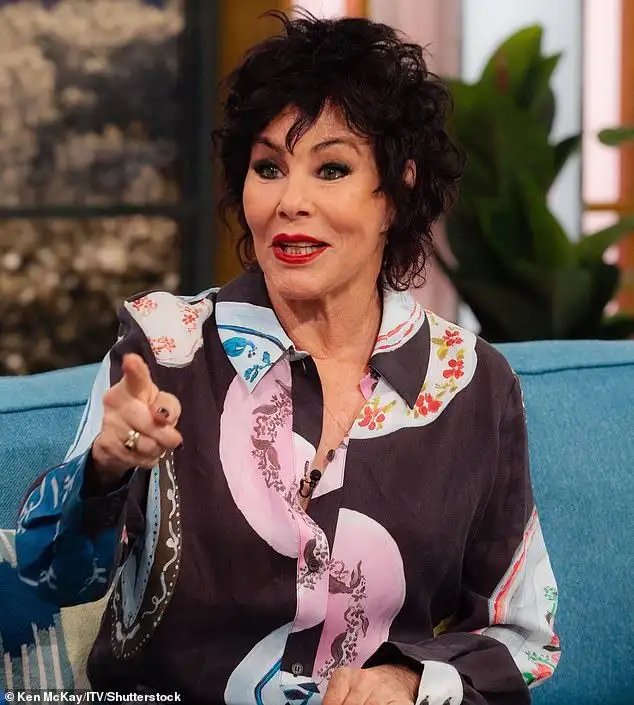
Wax has spoken about her journey through various media, often using humor as a tool to discuss serious subjects. She noted that depression, which she first experienced in childhood, is far from simply being sad. Her one-woman shows, like "I'm Not As Well As I Thought I Was," have served as platforms for sharing these experiences, sometimes inviting audience participation to discuss their own mental health journeys. She credits psychiatrists with a significant role in her ability to manage her mental health, noting that medication has been a key component for much of her adult life, though she has experienced relapses.

The comedian's engagement with mental health advocacy extends to organizations and public campaigns. She has been associated with Comic Relief, though she has also expressed feeling "mortified" when her image was used in a way she perceived as "outing" her struggles. Her broader objective, she has indicated, is not to be seen as a "whiner" but to use humor to convey messages about mental well-being and capture audience attention. She has also participated in diverse experiences, from monastery retreats to fieldwork in Afghanistan, all while managing her mental health. Wax suggests that by observing one's thoughts rather than "obeying them," individuals can achieve a sense of freedom and presence, contributing to peace and, potentially, happiness.
Read More: New Atheism movement splits on April 7 2026 over political views

For those in need of support, services like Samaritans offer assistance via phone at 116 123 or email at [email protected].