The Shifting Landscape of Graphics Power
In 2026, the question of whether an RTX 3090 qualifies as "entry-level" for PC graphics processing is less about its inherent capability and more about the accelerating pace of technological advancement. While once a high-end titan, the GPU market's relentless progress, particularly with the advent of the NVIDIA GeForce RTX 50 series, means the goalposts for what constitutes basic functionality have moved considerably.

The RTX 3090, a powerful card from a previous generation, now finds itself in a peculiar position. Its considerable raw power, while still capable, is increasingly overshadowed by newer technologies like the fourth-generation RT Cores and fifth-generation Tensor Cores found in the latest RTX 50 series GPUs. These advancements, particularly in areas like path tracing and neural rendering, are becoming standard features, with over 800 games and applications already leveraging 'RTX' for enhanced realism and performance. This proliferation of advanced features on newer hardware means that even a robust card like the 3090 might struggle to keep pace with the expected baseline for cutting-edge experiences.
Read More: Chrome mimeHandler API lets extensions handle file types
Defining "Entry-Level" in a Rapidly Evolving Market
The term "entry-level" itself becomes fluid. For users focused on the absolute latest graphical fidelity, requiring high refresh rates at superior resolutions, the RTX 3090 might indeed be perceived as falling short of current entry-level benchmarks. This is particularly true when considering the widespread adoption of features such as 'DLSS 4' and 'multi-frame generation' (MFG), which are designed to boost performance on newer architectures.
The RTX 50 series, with its touted advancements, represents the current frontier. These new cards are specifically engineered for the demands of modern gaming and content creation, aiming to deliver experiences that were previously computationally prohibitive.
Manufacturers like MSI and Gigabyte are already flooding the market with variations of the RTX 5060 and RTX 5080, underscoring the rapid refresh cycle and the push towards newer technologies. This availability suggests a clear market expectation for hardware that embraces the latest graphical innovations.
Discussions around GPU selection in 2026 often pivot to how to best utilize hardware, advising users to "adjust game graphical settings to fully leverage your new card's capabilities." This implies that even with a powerful card, a user must still engage in a process of optimization to achieve satisfactory performance, a hallmark of hardware that is not at the cutting edge.
Context and Background: The Unrelenting March of Technology
The RTX 3090, released in a prior era, was celebrated for its "cinematic quality visuals at extraordinary speeds." However, the landscape of computer graphics is characterized by perpetual motion. Technologies like 'ray tracing,' a method of simulating light in synthetic images, are no longer niche concepts but integral to achieving "hyper-realistic graphics" as promoted by manufacturers.

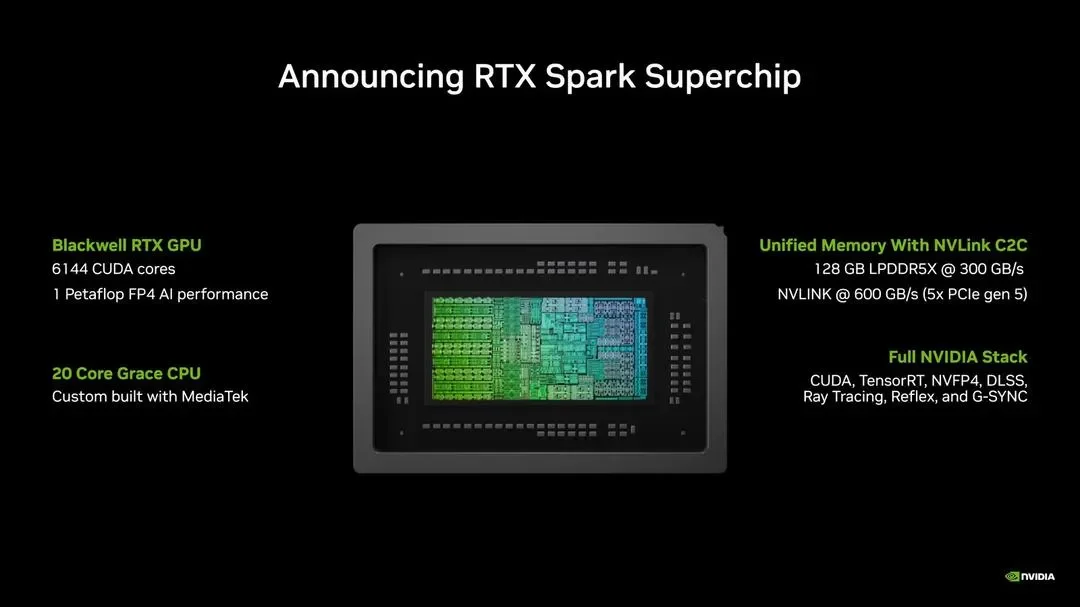
The demand for graphical prowess is further fueled by the increasing integration of Artificial Intelligence (AI) into PC functionalities. While a card like the RTX Spark is explicitly marketed for AI workloads and content creation, the underlying principles of neural rendering and accelerated processing are filtering down into consumer-grade hardware. The RTX Corporation (RTX), the parent entity, continues to navigate this space, with its strategic investments focusing on innovation and efficiency, reflecting a broader industry trend. The stock market's valuation of RTX (NYSE: RTX), with its Chairman and CEO engaging in strategic conferences, further situates the company within a narrative of forward-looking technological development and market positioning, distinct from the performance metrics of individual legacy components.
Read More: Street Fighter 6 Year 4 Pass adds Tifa and 3 new fighters in 2026





/content/opengraph/MTG-Top-10-Best-Commander-Cards-From-Magic-The-Gathering-Marvel-Super-Heroes-MSC-MSH.png)