A Familiar Blend, A Lingering Question
Resident Evil Requiem has arrived, and with it, a peculiar echo of past ambitions. While the new entry garners attention for its purported fusion of horror and action, its very existence and reception seem to amplify the unresolved narrative surrounding Resident Evil 6. Many observers, noting Requiem's embrace of "gloriously ridiculous action" and its blend of gameplay styles, suggest it might be the corrective vision that Resident Evil 6 failed to achieve, or perhaps even an indirect apology for its perceived shortcomings.
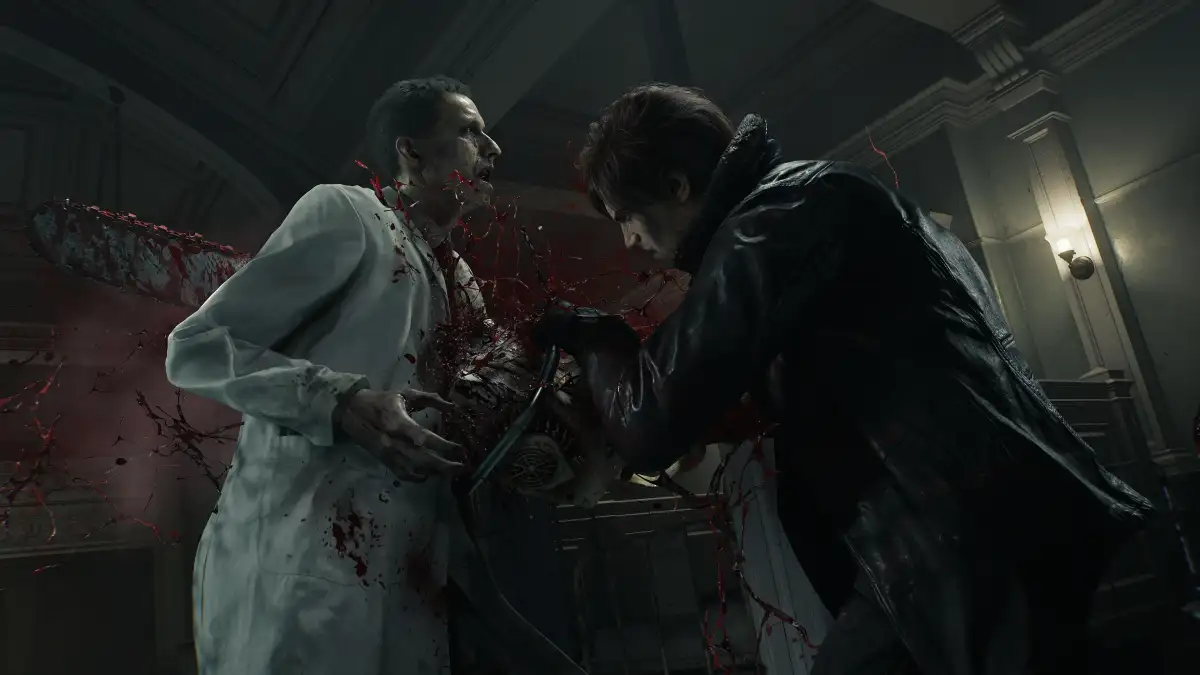
The core contention is that Resident Evil Requiem, through its successful execution of a hybrid action-horror formula, highlights what many felt was missing or mishandled in Resident Evil 6. This has fueled speculation that a remake of Resident Evil 6 could, with Requiem's apparent blueprint, finally deliver on its ambitious, albeit fractured, potential.
Read More: Mouse Game Makes $21.4 Million in Weeks After Launch

Revisiting Past Faults Through New Lenses
The discourse surrounding Resident Evil Requiem frequently returns to Resident Evil 6, often framing the former as a testament to lessons learned. Critics point to Requiem's "shorter, more focused, and far better paced" campaign as a stark contrast to the sprawling, multi-protagonist structure of its predecessor.
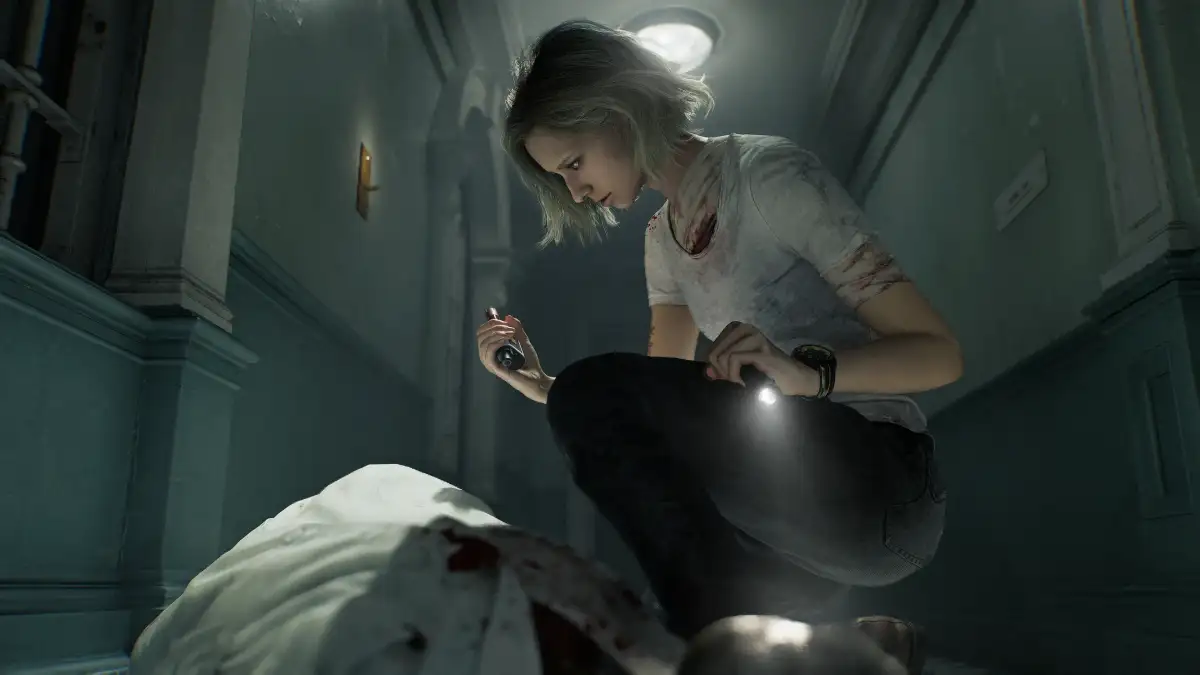
Requiem's perceived success in blending survival horror with outright action, a combination often seen as a hallmark of the series, is juxtaposed with Resident Evil 6's more disjointed execution of a similar concept.
This has led to a recurring sentiment: "No one needs a Resident Evil 6 remake, but Capcom has shown that there’s value in revisiting old Resident Evil games."
The Raccoon City segments within Requiem, specifically, are cited as feeling "like a Resident Evil 6 remake in some way," suggesting that Capcom may have inadvertently demonstrated how to rectify the earlier game's issues.
Protagonist Hopping and Unfulfilled Promises
The unique structure of Resident Evil 6, with its multiple, seemingly disparate campaigns, is a recurring point of comparison. While some argue that Requiem's own "wild protagonist-hopping blend of gameplay styles and ideas" mirrors this ambition, the consensus leans towards Requiem’s more cohesive presentation.

The relationship between protagonists in Requiem, such as Grace and Leon, is described as feeling like "two sides of the same coin," implying a more integrated narrative than what was perceived in Resident Evil 6.
This focus on successful protagonist interplay in Requiem fuels the idea that a Resident Evil 6 remake could "offer a more concise gameplay package that helps round out some of its weaker edges."
The potential for a remake is framed not as a necessity, but as an opportunity to "fix the most ambitious failure the franchise has ever faced," particularly if it can learn from Requiem's apparent successes.
A Golden Age Forged in Failure?
The release of Resident Evil Requiem arrives at a time when the franchise is enjoying a resurgence, often dubbed a "golden age," following titles like Resident Evil 7: Biohazard and Resident Evil Village.
Resident Evil 6 is frequently positioned as a nadir preceding this revival, a "mess" that Resident Evil 7, with its "bold, scary, and innovative" approach, helped to course-correct.
Requiem is seen as reconciling the series' "two distinct modern gameplay formulas"—the survival horror of recent entries and the action-oriented legacy.
The presence of returning characters like Leon S. Kennedy, who made a brief appearance in Resident Evil 6, further intertwines the discussion, with Requiem hailed as a "kick-ass Leon Kennedy legacy sequel" that seemingly recaptures the character’s essence more effectively.
Background: The Ambitious Flop
Resident Evil 6, released in 2012, was met with a polarized reception. It was lauded by some for its sheer scale and ambition, featuring four interconnected campaigns with distinct gameplay styles. However, it was widely criticized for its unfocused narrative, excessive action sequences that diluted the horror elements, and a departure from the series' traditional survival horror roots. The game's massive budget and marketing push led to significant commercial expectations, but its critical performance was uneven, leaving many to question its place within the esteemed Resident Evil canon. The subsequent entries, particularly the more survival-horror focused Resident Evil 7 and the acclaimed remake of Resident Evil 4, appeared to steer the franchise back towards its core identity, making Resident Evil 6 an outlier, a complex and divisive chapter that continues to be debated.