

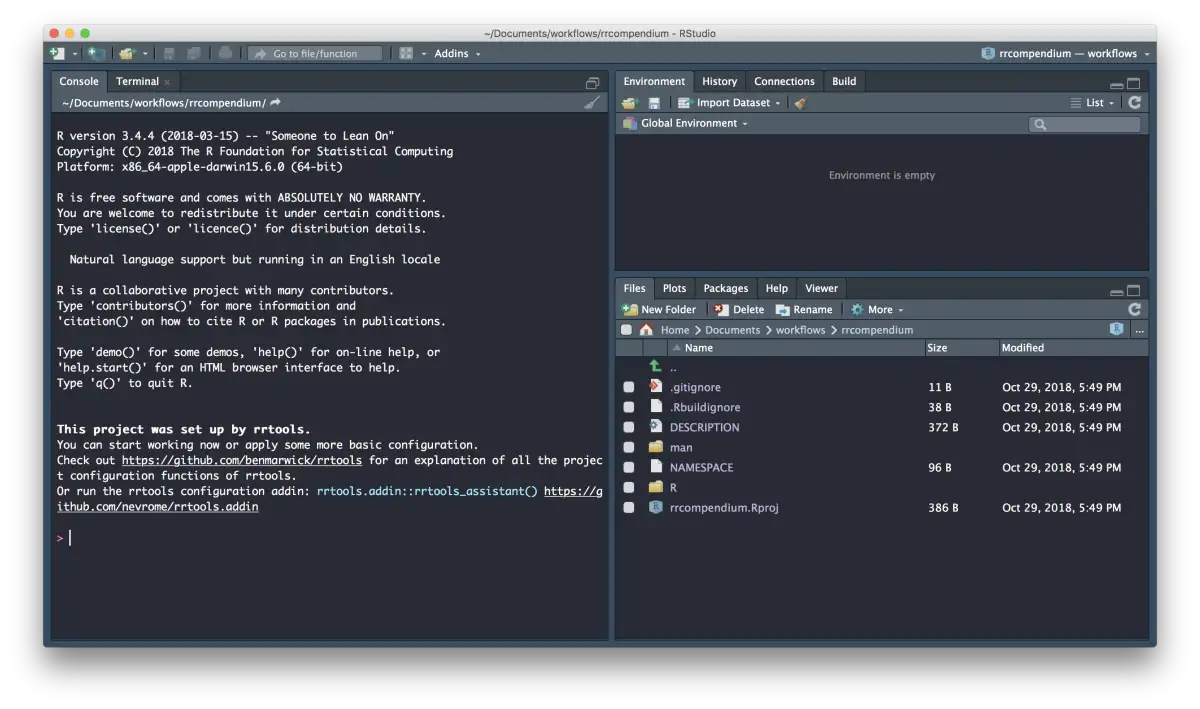
A new convention, known as the 'research compendium,' is gaining traction as a method to package all digital components of scientific inquiry. This structured approach aims to consolidate raw data, analysis code, textual reports, and associated metadata into a cohesive unit. The core idea is to make research outputs more transparent, verifiable, and reusable by organizing them according to established conventions.
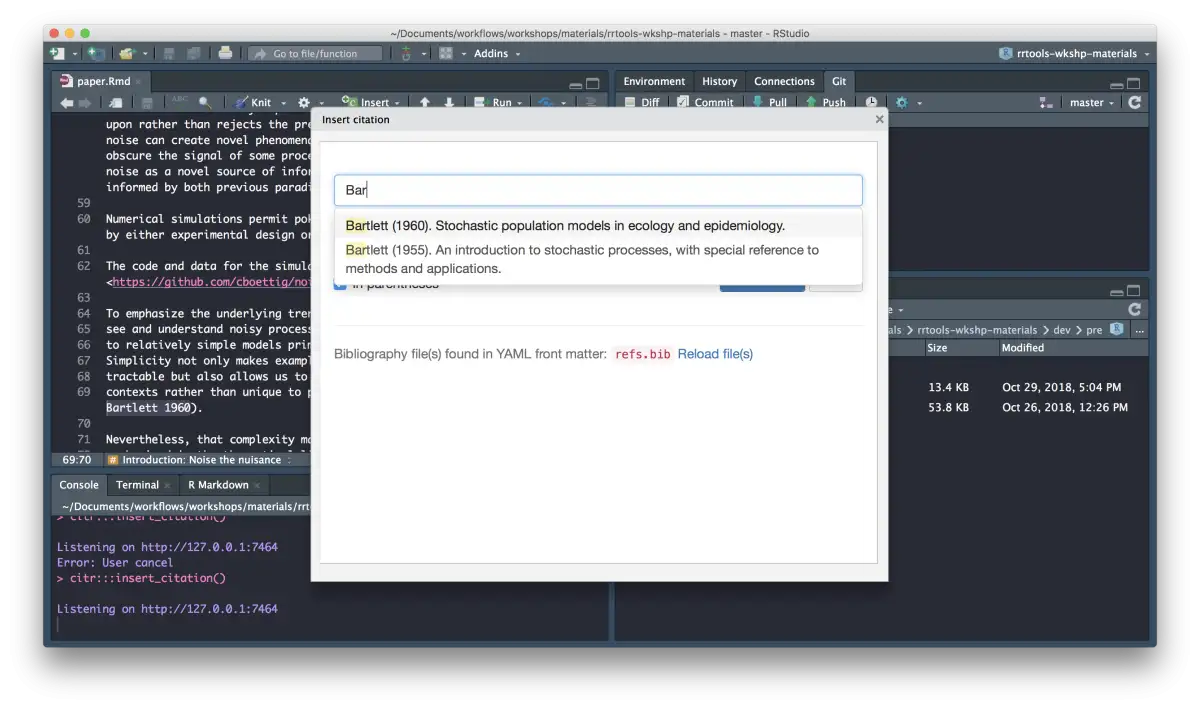
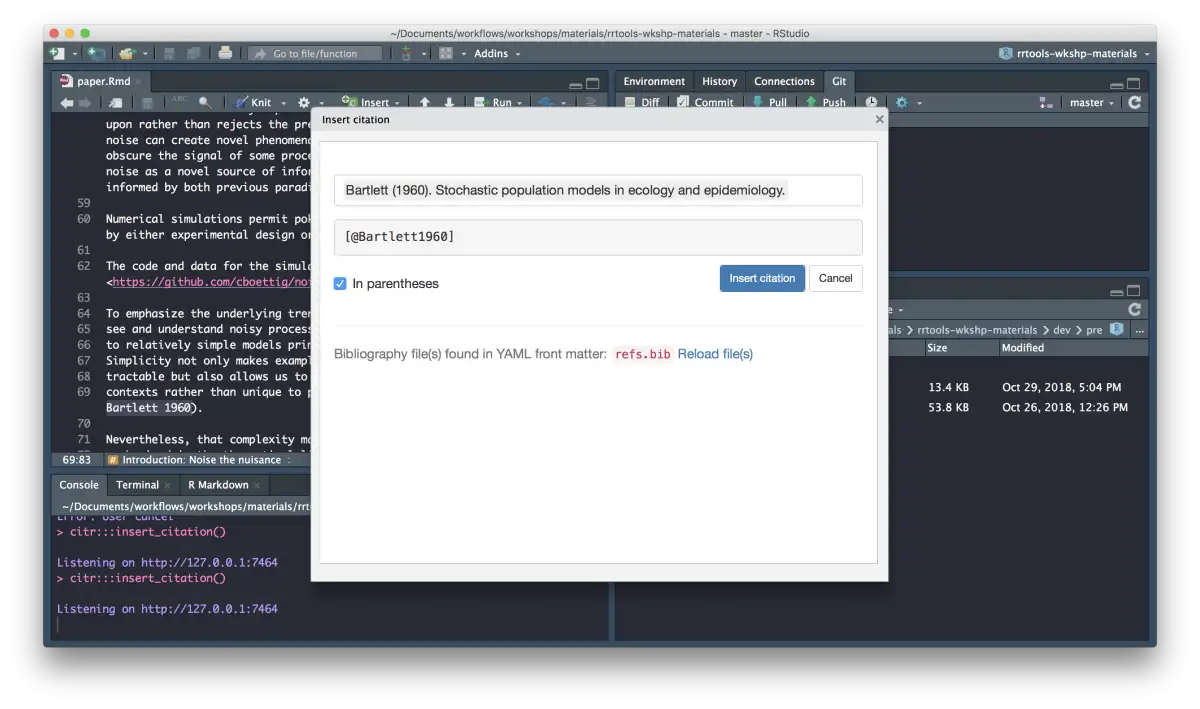
The central promise of research compendia lies in their ability to enhance the reproducibility of scientific work. By bundling together all the necessary elements – code, data, and narrative – these compendia aim to allow others, or even the original researchers at a later date, to reconstruct the findings and verify the analytical process. This is often facilitated through the use of version control systems like Git and standardized directory structures, which streamline file management and analytical workflows.
Read More: New Plant Protein Map Shows How Plants Use Sunlight Better
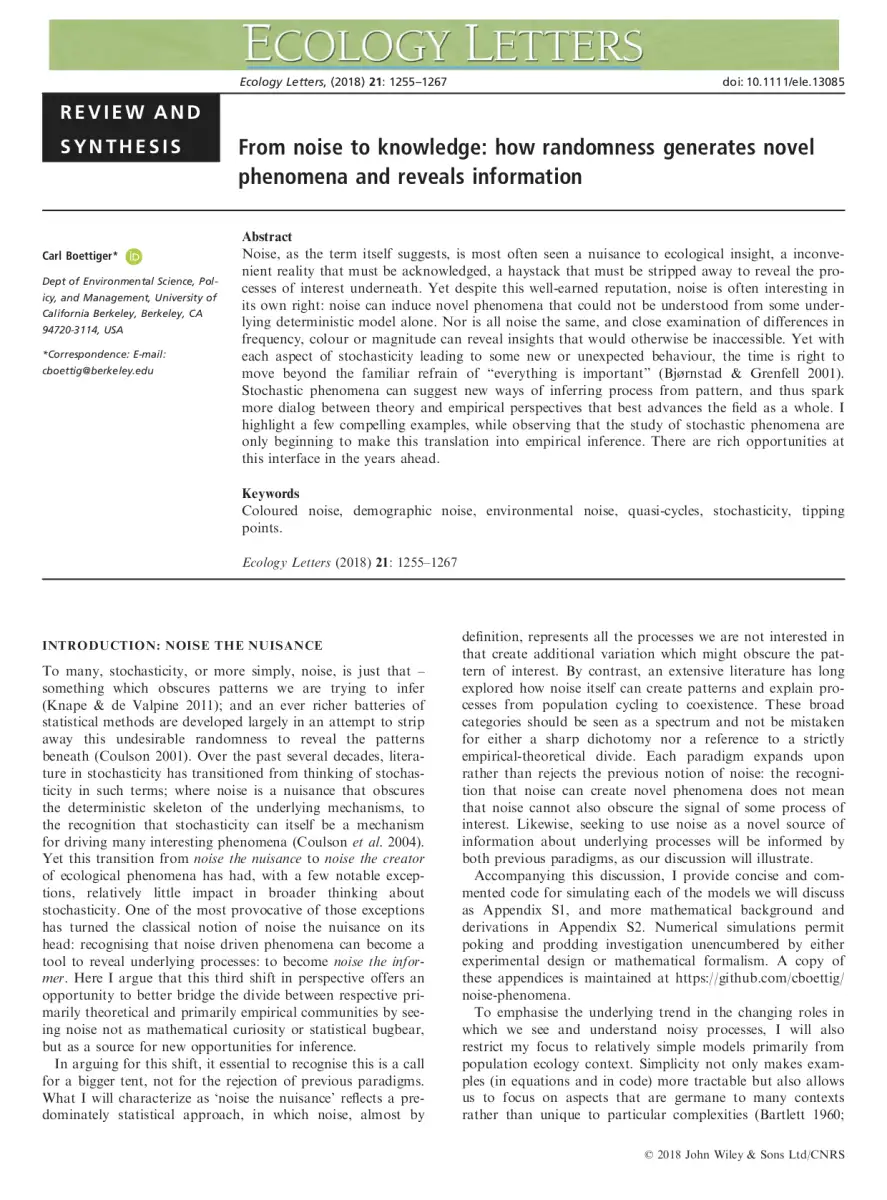
These compendia are being presented as a potential evolution of traditional academic publishing. They move beyond the static research paper to encompass a broader set of research objects, making the "full story" of the research accessible and interactive for both human readers and machines. The goal is to create contributions to the body of knowledge that are not only findable and accessible but also inspectable, interoperable, reusable, and extensible – a framework sometimes referred to as 'FAIR+E'.
Organizing the Digital Lab
The practical implementation of a research compendium often involves a defined directory structure. Key components typically include:
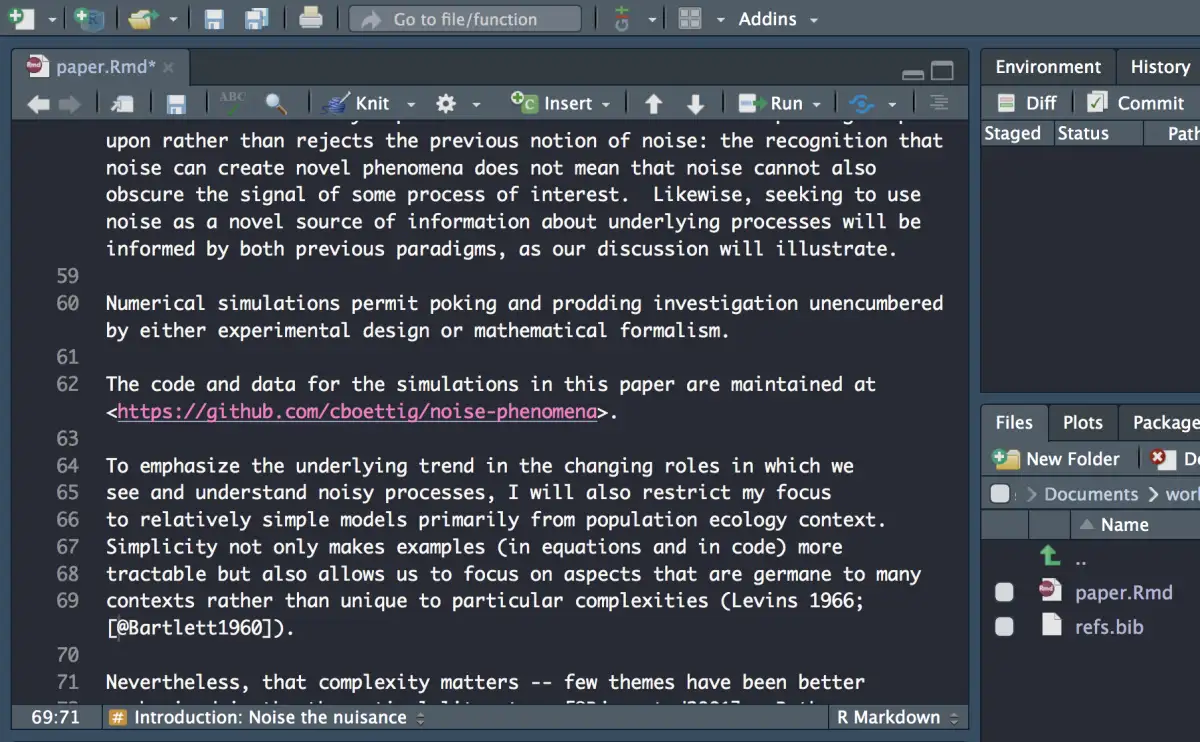
A
data/directory, often subdivided intoraw_data/andderived_data/.An
analysis/folder containing scripts, figures, and paper drafts.Configuration files like
DESCRIPTIONandNAMESPACE, particularly when integrated with R packages.Bibliographic files, such as
references.bib.
Tools and packages, particularly within the R ecosystem like rrtools and rcompendium, are being developed to automate the creation and management of these structures, allowing researchers to focus more on the scientific content rather than organizational overhead.
Read More: DraftKings and ESPN Link Accounts for Betting Features Before March Madness
Platforms for Dissemination and Archiving
Platforms like Zenodo are beginning to host communities specifically for research compendia, providing a space for their collection and dissemination across various scientific disciplines. This offers a potential pathway for formalizing their role in scholarly communication. The development of guides on "how to read" and "how to create" research compendia further indicates a maturing understanding and adoption of this approach.
Historical Context and Evolving Metaphors
The concept of the research compendium can be seen as an extension of efforts to improve data management and computational transparency in data-intensive sciences. It offers a more comprehensive alternative to simply sharing code or data independently. The underlying motivation is to shift the academic paper's metaphor from a static document to a more dynamic, executable, and reproducible entity that facilitates collaboration and builds upon existing knowledge more effectively.