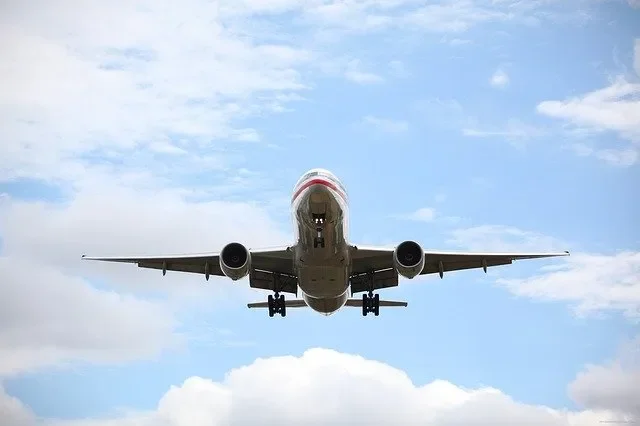
London, UK - Royal Air Force Typhoon fighter jets were deployed earlier today from RAF Lossiemouth, Scotland, amid concerns over a suspected Russian bomber approaching British airspace. A Voyager refuelling jet also departed from RAF Brize Norton, Oxfordshire, to support the operation. The unidentified Russian warplane remained outside UK sovereign airspace throughout the encounter.
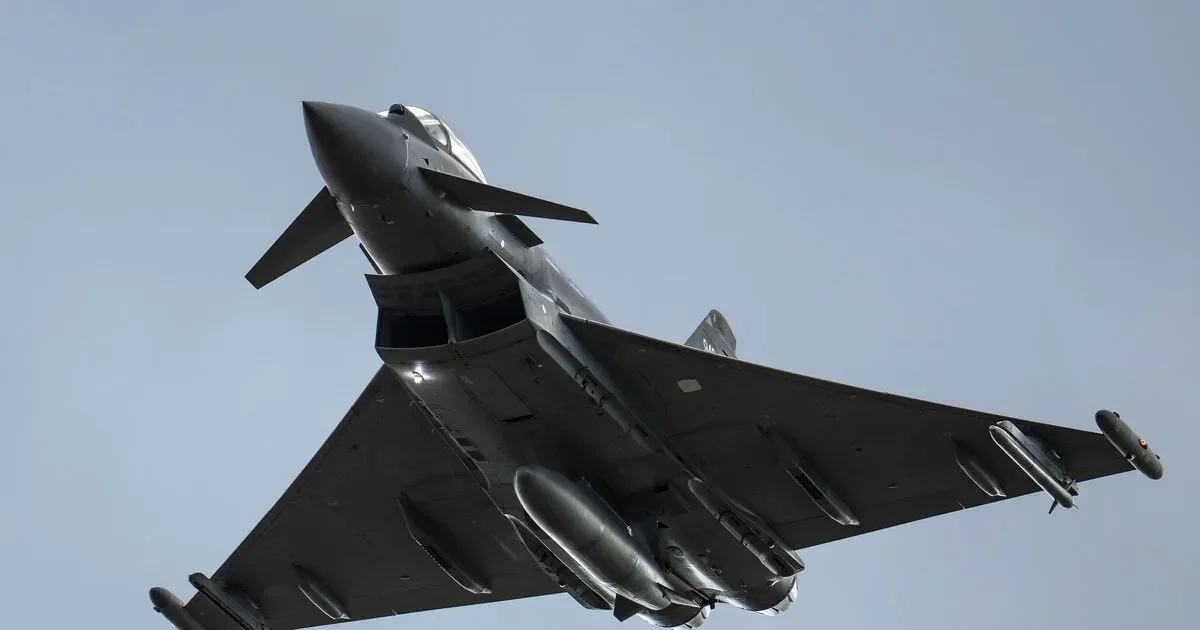
The RAF's Quick Reaction Alert (QRA) protocol was activated to monitor the aircraft's flight path, establishing a visual presence. Officials stated the Russian aircraft eventually turned away and headed north. This event marks another instance of routine air policing activities, underscoring ongoing vigilance regarding Russian military movements near NATO territories.

Details of Deployment
The scramble involved two Typhoon FGR4s and a Voyager refuelling tanker. The aircraft flew towards the Shetland Islands area. While no interception was carried out, the deployment served to identify and monitor the Russian aircraft as it transited international airspace.
Read More: India's Defence Ministry approves ₹52,000 crore on Friday for new Army and Navy tech

Context of Russian Activity
This incident follows recent disclosures by Defence Secretary John Healey, who detailed a month-long tracking operation involving a Russian Akula-class nuclear-powered attack submarine and two Russian deep-sea research program submarines operating near critical undersea cables in the North Atlantic. These vessels have since withdrawn from UK waters. Reports suggest the deployment of the fighter jets was part of a broader NATO response.
Historical Precedent
Such scrambles are not uncommon. The RAF has a standing readiness protocol, with Typhoon crews at RAF Lossiemouth on 24/7 alert to respond to unidentified aircraft. Historical intercepts include Russian Tupolev Tu-160 'Blackjack' bombers and various reconnaissance aircraft like the Bear-F. These operations are often coordinated with NATO allies, as seen in past deployments from bases like Malbork Air Base in Poland as part of enhanced air policing. The frequency of these events highlights a persistent pattern of Russian military activity testing Western defence readiness, particularly amid ongoing geopolitical tensions.
Read More: Fresno Airport $85 Million Funding Boost Improves Travel in April 2026