Sreejit Gopinath, a clerk at the Pudussery grama panchayat, has been arrested for allegedly taking ₹2,500 in cash to issue a residence certificate. The incident unfolded when a complainant, seeking the certificate for a bank loan, was told by Gopinath that a house inspection was necessary. The Vigilance and Anti-Corruption Bureau (VACB) set a trap, apprehending Gopinath red-handed while he was accepting the payment.

Gopinath reportedly demanded the sum from a resident needing the certificate for a bank loan to purchase a tipper lorry. Officials also mentioned Gopinath had asked the complainant to produce the father's death certificate at the office. The clerk is now slated to appear before the Vigilance Court in Thrissur.
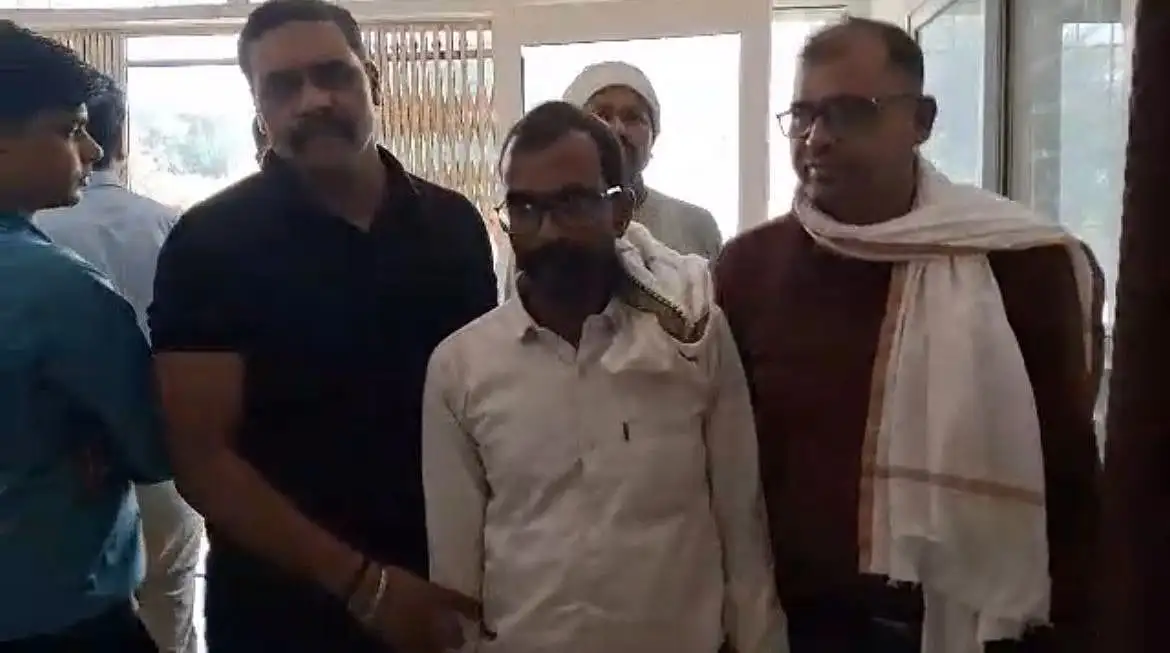
This arrest, occurring on a Thursday afternoon, points to ongoing friction between bureaucratic processes and individual needs within local administration. The VACB's swift action suggests a mechanism, however reactive, for addressing perceived malfeasance.
Read More: Council Official Accused of Nepotism by ICAC Today
CONTEXT: A RECURRING THEME
The detention of Sreejit Gopinath is not an isolated incident within the sphere of local governance. Recent reports chronicle similar encounters:
Morena, Madhya Pradesh: A clerk was caught accepting ₹20,000 at a panchayat office, following a complaint lodged with the Lokayukta police.
Pali, Rajasthan: An administrator of a gram panchayat was arrested for allegedly demanding ₹2.7 lakh, reportedly accepting ₹1.5 lakh as an initial payment for a residential house lease.
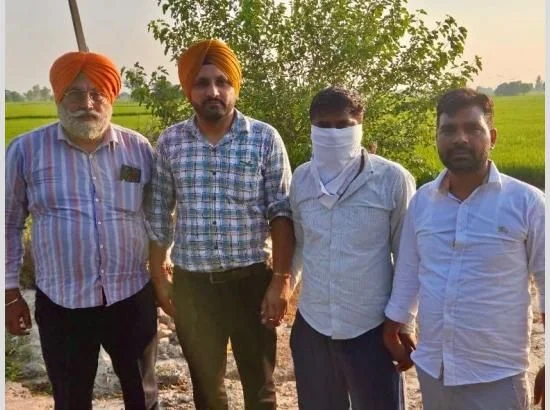
Ferozepur, Punjab: A clerk at the District Development and Panchayats Office was apprehended taking ₹60,000, an action carried out by the Punjab Vigilance Bureau.
These instances, spanning different regions and involving varying sums, suggest a pattern where official duties appear to intersect with demands for personal remuneration, often for the issuance of crucial documents or permissions. The 'Prevention of Corruption Act' is frequently cited in these cases.