


Birmingham Vigil Echoes Global Discontent with Israeli Flag Burning and Anti-IDF Chants
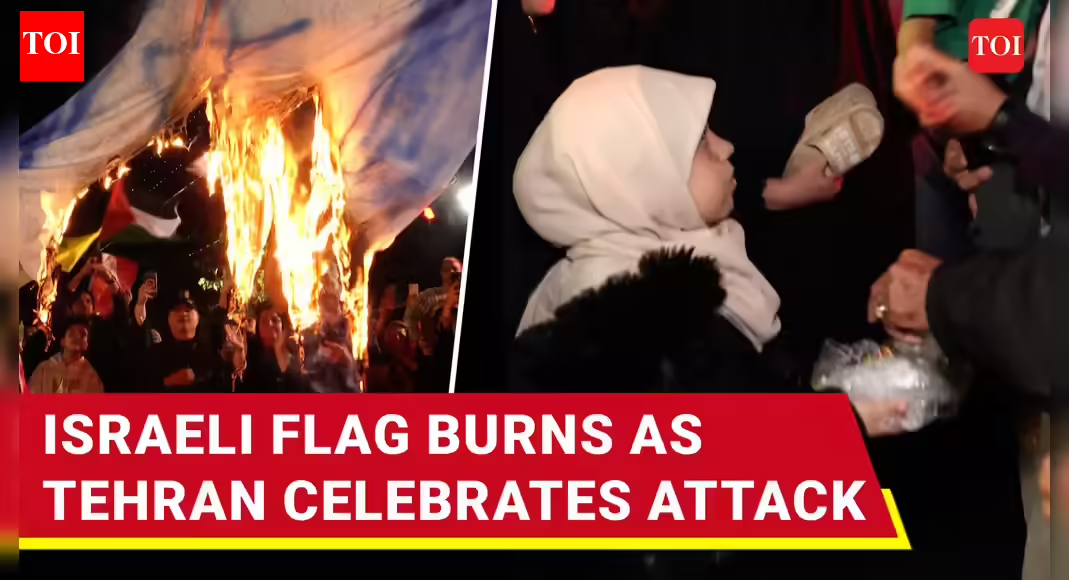
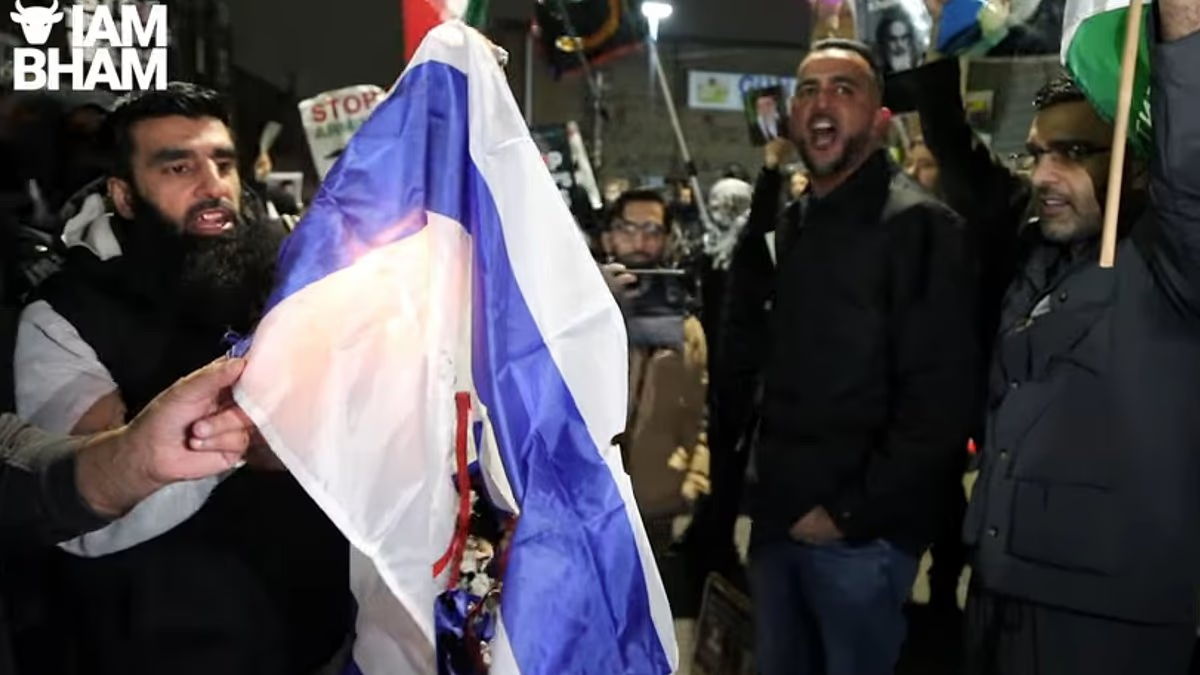
Pro-Iran demonstrators in Birmingham incinerated an Israeli flag and vociferously chanted “death to the IDF” during a vigil ostensibly held to mourn the passing of Ayatollah Ali Khamenei. This act of symbolic defiance occurred against a backdrop of escalating conflict in the Middle East, with Iran reportedly launching attacks on US and Israeli targets across the Gulf, following alleged US and Israeli-led strikes on Iran. The gatherings, described as vigils for Khamenei, have become sites for outward expressions of solidarity with Iran and vehement opposition to Israel and the United States.

These events are not isolated. They mirror a wider wave of protests seen globally, particularly following alleged 'US and Israeli strikes on Iran'. Reports from Madrid, Izmir, and London detail similar anti-war demonstrations where participants have condemned attacks and voiced support for the Iranian government. In some instances, these protests have involved waving the flag of the Islamic Republic and chanting slogans against the US and Israel. =The nature of these demonstrations, however, appears bifurcated, with some condemning the strikes as violations of international law and others expressing direct support for Iran.=
The Unfolding Spectacle: Flags, Chants, and a Global Echo
The incident in Birmingham saw supporters of the Iranian regime convene at the Reza Cultural Centre. While the stated purpose was to mourn the former ayatollah, the subsequent actions—burning the Israeli flag and chanting hostile slogans—underscore a potent undercurrent of geopolitical animosity. These displays are consistent with broader patterns of protest observed internationally, where rallies have taken place in cities such as Athens and Kano.
In Athens, protests predominantly featured anti-war sentiment with banners reading "Hands off Iran." Conversely, in Kano, Shia Muslim demonstrators mourned Khamenei and echoed chants of "Death to America" and "Death to Israel." These demonstrations have, in some regions, led to significant unrest. =Reports from Gilgit-Baltistan in Pakistan indicate widespread disturbances following Khamenei's death, including protesters targeting UN offices and resulting in casualties.=
Underlying Tensions: Support and Opposition in a Fractured Landscape
The existence of such protests, even in diaspora communities, suggests a persistent, albeit not monolithic, segment of support for the Iranian government. This contrasts sharply with calls for internal uprising within Iran, as reportedly urged by Israel. =Photographs from Iran itself have depicted US and Israeli flags being deliberately set alight and trampled, accompanied by chants pledging allegiance to the regime and its leaders.= The reported gatherings in Tehran and Isfahan, where crowds mourned casualties of Israeli attacks and voiced support for the Supreme Leader, illustrate the deep divisions and the intensity of emotions involved.
The current events are situated within a larger context of geopolitical friction. The alleged '2026 Israeli–United States strikes on Iran' have served as a catalyst, igniting protests across various continents. The demonstrations, framed by participants as responses to acts of aggression, reveal a complex web of international allegiances and antipathies, with the ongoing conflict in the Middle East casting a long shadow.