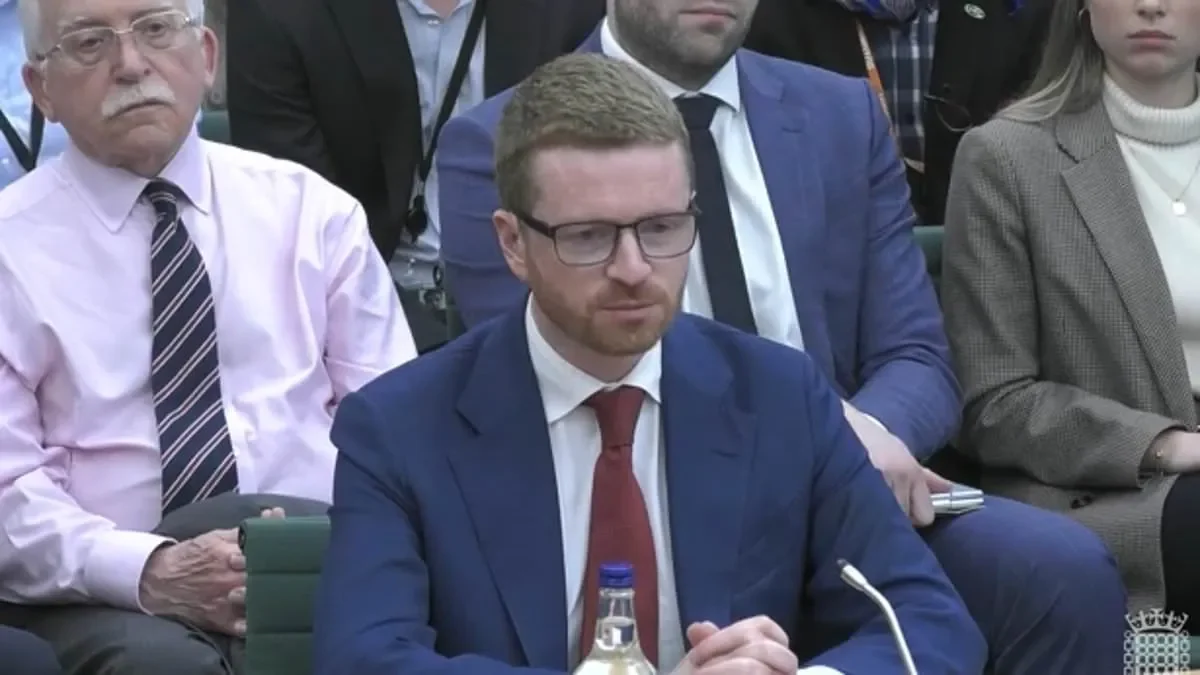
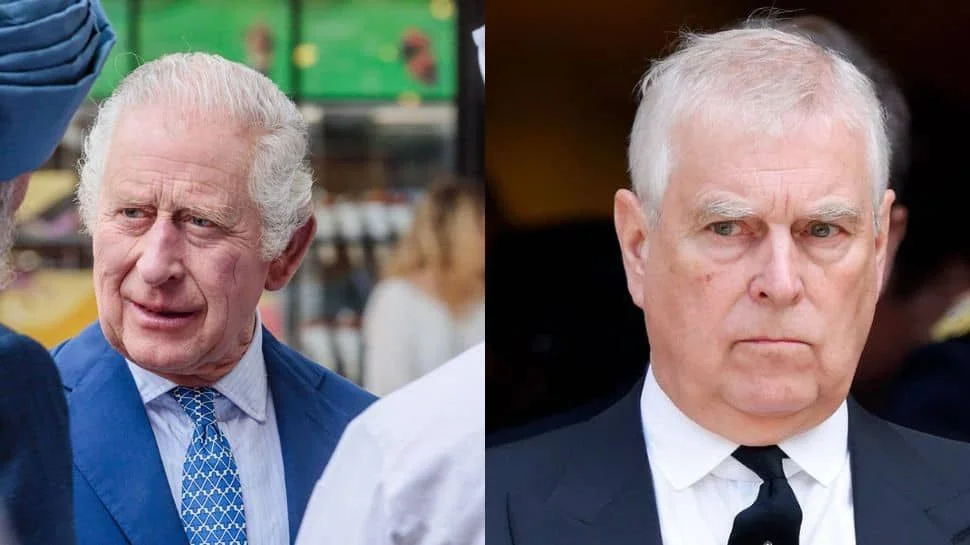
The recent arrest of Prince Andrew, the King's brother, on suspicion of misconduct in public office has placed the British monarchy in a serious predicament. King Charles III has publicly stated that "the law must take its course," a declaration that underscores the gravity of the situation and the Crown's position regarding ongoing legal proceedings. This event marks a significant moment for the House of Windsor, echoing historical challenges to royal authority.
Background: An Investigation Unfolds
Prince Andrew, formerly known as the Duke of York, was arrested on his 66th birthday. The arrest is linked to an investigation into his past associations with Jeffrey Epstein, a convicted sex offender. Evidence has surfaced, purportedly from Epstein's files, suggesting Andrew may have shared confidential government information while serving as a British trade envoy.
Timeline of Events:
Prince Andrew was evicted from his residence near Windsor Castle earlier this month.
He moved to King Charles’ estate in Norfolk.
On his 66th birthday, police were seen at Wood Farm, his home on the Sandringham Estate in Norfolk.
Thames Valley Police confirmed the arrest of a man in his sixties for suspected misconduct in public office.
Searches were conducted at addresses in Berkshire and Norfolk.
Nature of Allegations: The core accusation involves suspected misconduct in public office, a serious offense in Britain that carries a potential maximum sentence of life imprisonment. The alleged misconduct is tied to revelations from the Jeffrey Epstein files, pointing to the sharing of confidential government information.
Royal Family's Stance: Buckingham Palace had previously stated that the royal family would cooperate with any police inquiries. King Charles's public statement, "the law must take its course," was reinforced by assurances of "full and wholehearted support and cooperation" from the authorities.
The King's Statement: A Formal Declaration
King Charles III issued a formal statement acknowledging the arrest and expressing his sentiments.
Read More: Prince Harry and Meghan UK visit security rules for April 2026
"I have learned with the deepest concern the news about Andrew Mountbatten-Windsor and suspicion of misconduct in public office. Let me state clearly: the law must take its course."
He further added that he would not comment further on the matter while the investigation proceeds. The King also indicated that the rest of the royal family would continue their duties.

Key Phrases:
"Deepest concern" signifies the seriousness with which the King views the situation.
"The law must take its course" establishes a principle of equal application of justice.
"Not be commenting further" signals a deliberate step back from public discourse to allow legal processes to unfold without interference.
"Continue in our duty and service" aims to reassure the public of the monarchy's ongoing commitment.
Prince Andrew's Position
Prince Andrew has consistently denied any wrongdoing in relation to his past associations with Jeffrey Epstein.
Denials: Previous statements from Prince Andrew have maintained his innocence regarding the allegations connected to Epstein.
Current Status: He was arrested on suspicion of misconduct in public office and remained in police custody at the time of the reports. Police are carrying out searches as part of the investigation.
Broader Implications and Historical Context
This arrest represents a significant crisis for the House of Windsor.
Rarity of Royal Arrests: The last instance of a senior British royal being arrested occurred nearly 400 years ago, during the reign of King Charles I, amid a period of intense conflict between the Crown and Parliament.
Public Perception: Statements from the family of Virginia Giuffre, a victim of Jeffrey Epstein, expressed gratitude, noting that "no one is above the law." This sentiment highlights the public's expectation of accountability, regardless of status.
Royal Family's Operational Continuity: The King's emphasis on the rest of the royal family continuing their duties suggests an effort to project an image of stability and unwavering service amidst the unfolding legal challenges.
Expert Perspectives
Legal analysts and commentators have observed the carefully worded statement from King Charles III.
Signaling Intent: The phrase "the law must take its course" is interpreted as a clear signal that the monarchy will not intervene in the legal process, regardless of the individual's royal connection.
Historical Precedent: The situation is being compared to past scandals that have tested the monarchy's resilience and its ability to adapt to changing societal expectations of transparency and accountability.
Conclusion and Next Steps
The arrest of Prince Andrew and King Charles III's response have cast a significant shadow over the British monarchy. The King's affirmation that "the law must take its course" and the assurance of cooperation with authorities signal a commitment to allowing the legal system to function independently.
Key Findings:
Prince Andrew faces serious allegations of misconduct in public office.
King Charles III has publicly supported the principle of legal due process.
The royal family intends to maintain its public duties during the investigation.
Uncertainties: The precise nature of the evidence and the specific details of the alleged misconduct remain under investigation. The potential outcomes of the police inquiry and any subsequent legal proceedings are currently unknown.
Future Considerations: The monarchy's ability to navigate this crisis will likely depend on the transparency of the legal process and the continued adherence to principles of accountability. The public reaction and the eventual resolution of the investigation will shape perceptions of the Crown in the coming period.
Sources Used:
CBS News: https://www.cbsnews.com/news/king-charles-arrest-brother-former-prince-andrew/ - Provided initial report of King Charles's statement and details of the arrest.
Euronews: https://www.euronews.com/2026/02/19/king-charles-iii-on-mountbatten-windsor-arrest-the-law-must-take-its-course - Offered context on Prince Andrew's living arrangements and historical parallels to royal arrests.
News18: https://www.news18.com/world/law-must-take-its-course-king-charless-first-reaction-after-brother-andrews-arrest-9918120.html - Confirmed King Charles's reaction and details of the police statement, including the age of the arrested individual.
Vanity Fair: https://www.vanityfair.com/style/story/andrew-mountbatten-windsors-arrest-king-charles - Verified police confirmation of arrest without naming the individual and Prince Andrew's prior denials.
Zeenews: https://zeenews.india.com/world/king-charles-statement-andrew-mountbatten-windsor-arrest-sandringham-3018756.html - Provided the full text of King Charles's statement, including "deepest concern" and "full and wholehearted support and cooperation." Also included a quote from Virginia Giuffre's family.