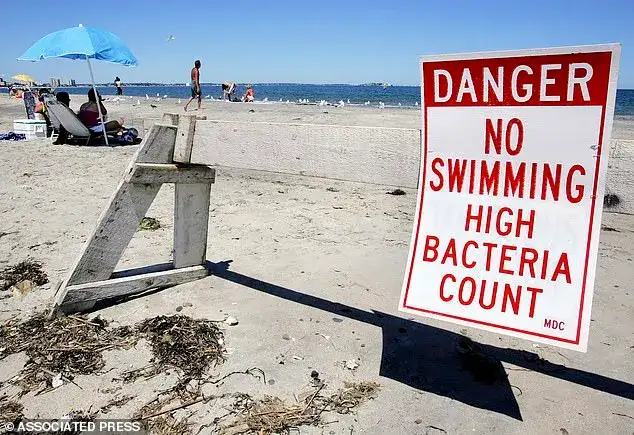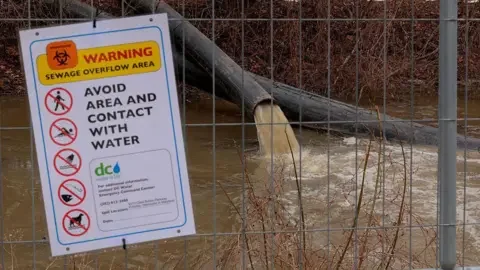
A significant sewage spill into the Potomac River, stemming from a collapsed sewer line in Maryland, has prompted a federal response and raised alarms about environmental damage. The incident, which released hundreds of millions of gallons of raw sewage, has affected the waterway near the nation's capital, prompting health advisories and ongoing repair efforts. The scale of the spill and the subsequent challenges in containing and repairing the damaged infrastructure have drawn attention from national authorities and environmental advocates.

Incident Overview
A major sewer line, identified as the Potomac Interceptor, experienced a collapse in late January in Montgomery County, Maryland. This failure led to a massive release of raw sewage into the Potomac River. The amount of sewage discharged is estimated to be in the hundreds of millions of gallons, with one report citing over 240 million gallons.
Read More: Amazon Land Use Changes Cause Disease Clusters in Brazil

The collapse occurred on January 26.
The affected pipe is part of a system over 60 years old.
The spill occurred near the C&O Canal within the Beltway.
Local communities, such as Cabin John, have been directly impacted by the event.
Official Response and Containment Efforts
Federal authorities have been directed to manage the situation, with the Federal Emergency Management Agency (FEMA) tasked with leading the response. DC Water, the utility responsible for the infrastructure, has been engaged in continuous repair and monitoring efforts.

President Trump ordered federal agencies to assist in managing the spill.
DC Water CEO David Gaddis issued an open letter to the community, vowing to work towards reclaiming the river and emphasizing transparency and investment.
Containment and environmental monitoring have been stated as immediate priorities.
Repair work has faced new challenges, including the discovery of a large rock dam obstructing the pipe and a recent pump failure leading to further overflow events.
Environmental Impact and Scientific Concerns
The discharge of raw sewage has led to significant contamination of the Potomac River, raising concerns about its long-term ecological effects.
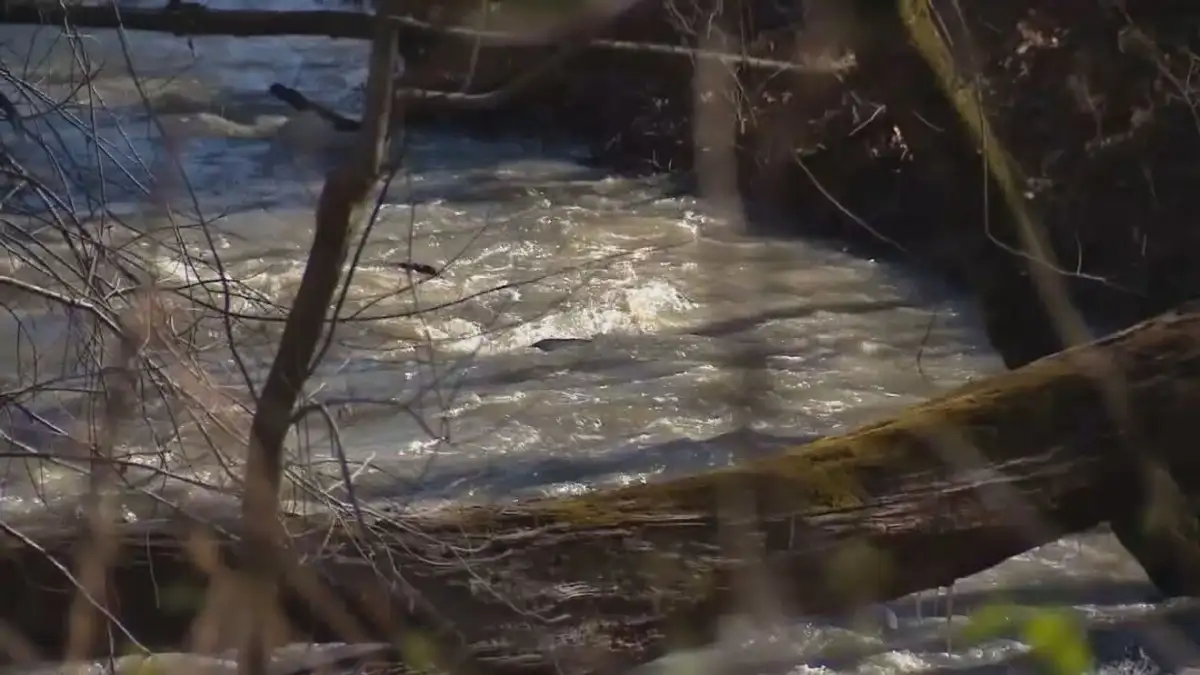
Water sampling has revealed elevated levels of E. coli bacteria, with concentrations described as nearly 12,000 times the limit for human contact.
Scientists are concerned about the potential for algae blooms as water temperatures rise, which could harm aquatic life, including fish.
The spill could have lasting consequences for waterfront communities, swimmers, and boaters.
Community Reaction and Historical Context
The spill has deeply affected local communities, many of whom have prior experience with issues related to the sewer system's infrastructure.
Residents have expressed feelings of being "heartbroken" over the sewage spill.
Decades ago, a similar issue involving intense odors from the Potomac Interceptor prompted community leaders to ensure maintenance of odor-controlling filters.
Investigation into the Cause
While the immediate focus is on repairs and environmental remediation, questions remain regarding the precise cause of the pipe's collapse.
Crews discovered the pipe failure upon inspection.
The discovery of a rock dam near the break has complicated repair efforts. Was this dam a contributing factor to the collapse, or an obstruction found during the repair process?
Expert Analysis
Environmental advocates and scientists have weighed in on the severity and potential consequences of the spill.
"Sampling of the river's water has revealed concentrations of E. coli bacteria that are concerning," stated officials in relation to the spill's impact on public health.
Mike Gerel, Virginia Science Manager at the Chesapeake Bay Foundation, noted, "Bacteria don't thrive in cold water, but as temperatures warm this summer, the spill could produce algae blooms in the river that kill fish."
Dean Naujoks, the Potomac Riverkeeper, an environmental advocate, highlighted that "The spill could also have lasting consequences for waterfront communities, as well as swimmers and boaters who use the river."
Conclusion and Next Steps
The sewage spill into the Potomac River represents a substantial environmental challenge with ongoing repair efforts facing complications. The federal government's involvement signals the severity of the incident. Future steps will likely involve continued environmental monitoring, comprehensive infrastructure assessment, and long-term investment in the aging sewer system to prevent similar occurrences. The impact on aquatic life and the river's ecosystem remains a primary concern.
Read More: Contractor charged after Pune toddler dies in open trench on June 30
Sources Used:
USA Today: https://eu.usatoday.com/story/news/nation/2026/02/18/dc-sewer-spill-locals/88724201007/
Context: Reports on local community impact and observations at the spill site.
Context: Details the federal response directed by President Trump and the scale of the spill.
WTOP News: https://wtop.com/dc/2026/02/dc-water-ceo-addresses-community-in-wake-of-massive-sewage-spill-3/
Context: Features statements from DC Water CEO David Gaddis regarding the incident and repair efforts.
NPR: https://www.npr.org/2026/02/20/nx-s1-5719779/environment-washington-dc-sewer-spill-sewage-potomac-river
Context: Discusses scientific concerns about lasting environmental damage from the spill.
WJLA: https://wjla.com/news/local/dc-water-potomac-river-sewer-collapse-wastewater-spill-interceptor-failure-pump-groundwater-infiltration-environmental-impact-clean-rivers-project-improvement-letter-ceo-new-issues
Context: Reports on ongoing challenges faced by DC Water during emergency repairs and includes excerpts from the CEO's open letter.
NPR: https://www.npr.org/2026/02/20/nx-s1-5716215/how-more-than-240-million-gallons-of-sewage-flowed-into-the-potomac-river
Context: Provides details on the volume of sewage spilled and the age of the infrastructure.
Bay Journal: https://www.bayjournal.com/news/pollution/nearly-contained-sewage-spill-leaves-serious-concerns-for-the-potomac-river/articleee4cbf3b-d91f-4686-93cd-d04d4e7bf95a.html
Context: Highlights the contamination levels of E. coli bacteria and ongoing concerns for the river.