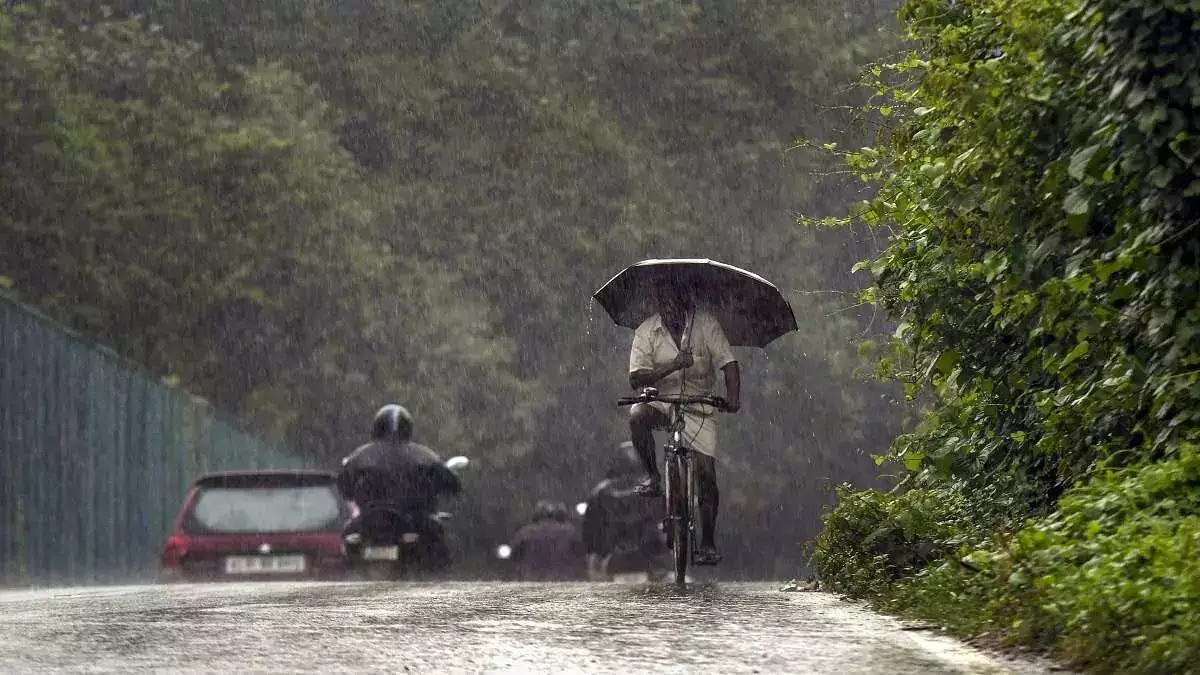
Portugal is grappling with a series of severe storms that have led to significant loss of life, widespread destruction, and mass evacuations. The recent onslaught of weather events, including Storms Kristin, Leonardo, and Marta, has underscored critical vulnerabilities in the nation's infrastructure and emergency response. The relentless rainfall and strong winds have overwhelmed natural defenses and disrupted essential services, prompting calls for more robust climate adaptation measures.
A Succession of Severe Weather Events
Since late January, Portugal has been battered by multiple powerful Atlantic storm systems. These events have not been isolated incidents but rather a continuous pattern of severe weather impacting central and southern regions, as well as islands like Madeira and the Azores.

Storm Kristin: This storm, described as one of the most powerful in recent years, struck central Portugal with destructive winds exceeding 200 kilometers per hour. It caused widespread damage, including to homes, businesses, and public facilities, leading to numerous fatalities, injuries, and power outages for hundreds of thousands. Infrastructure, including military and transport facilities, suffered major disruptions, and rail services were affected.
Storm Leonardo: Following closely on Kristin's heels, Leonardo brought prolonged heavy rain and strong winds. It caused further flooding, with one fatality reported and around 1,100 people evacuated across the country. The storm's arrival put further strain on areas still recovering from Kristin.
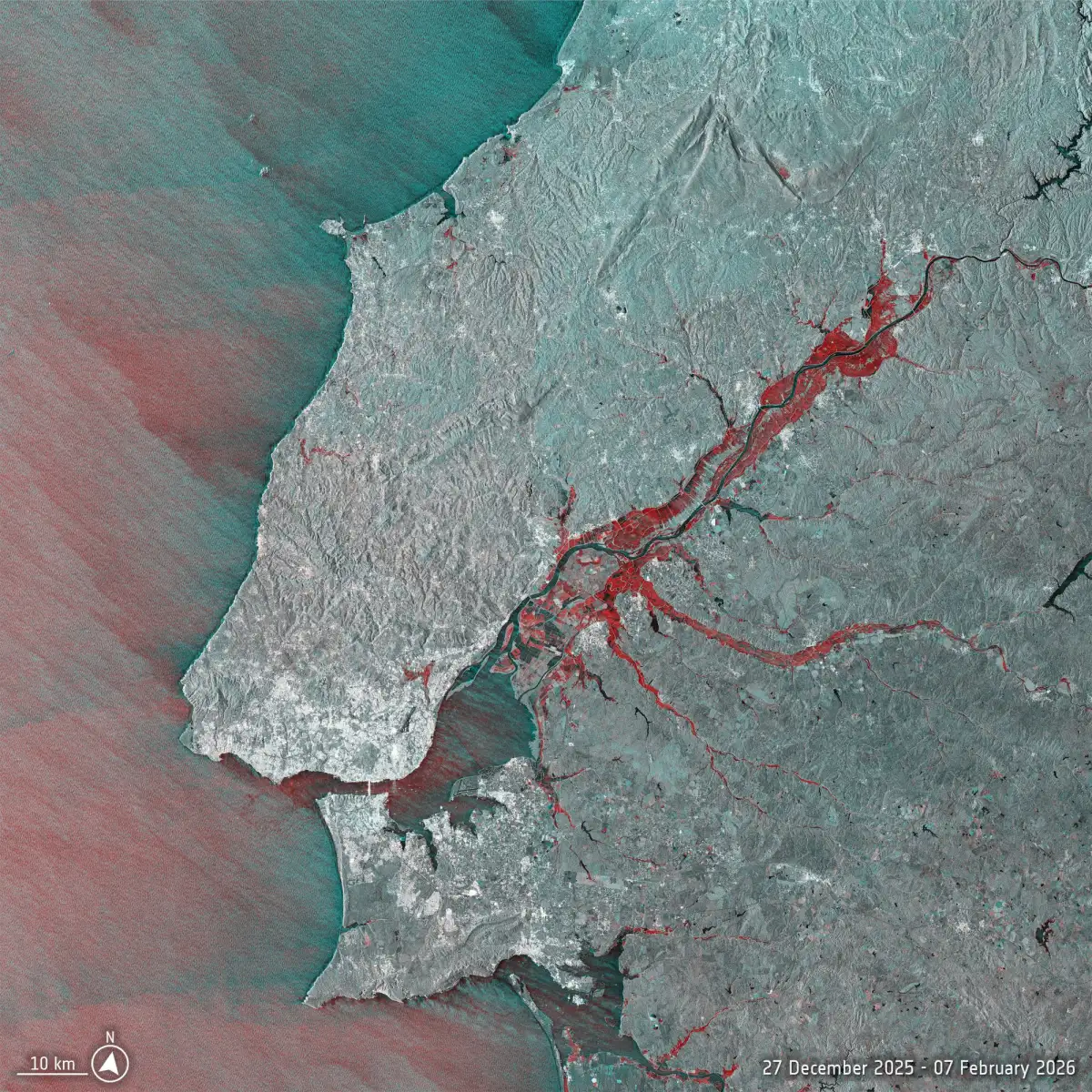
Storm Marta: This subsequent storm system delivered more rain and strong winds, exacerbating the already saturated terrain and contributing to ongoing flood threats, particularly along rivers like the Tagus, which faced its worst flood risk in nearly three decades.
Human and Material Toll
The impact of these successive storms has been severe, with significant human and economic costs.
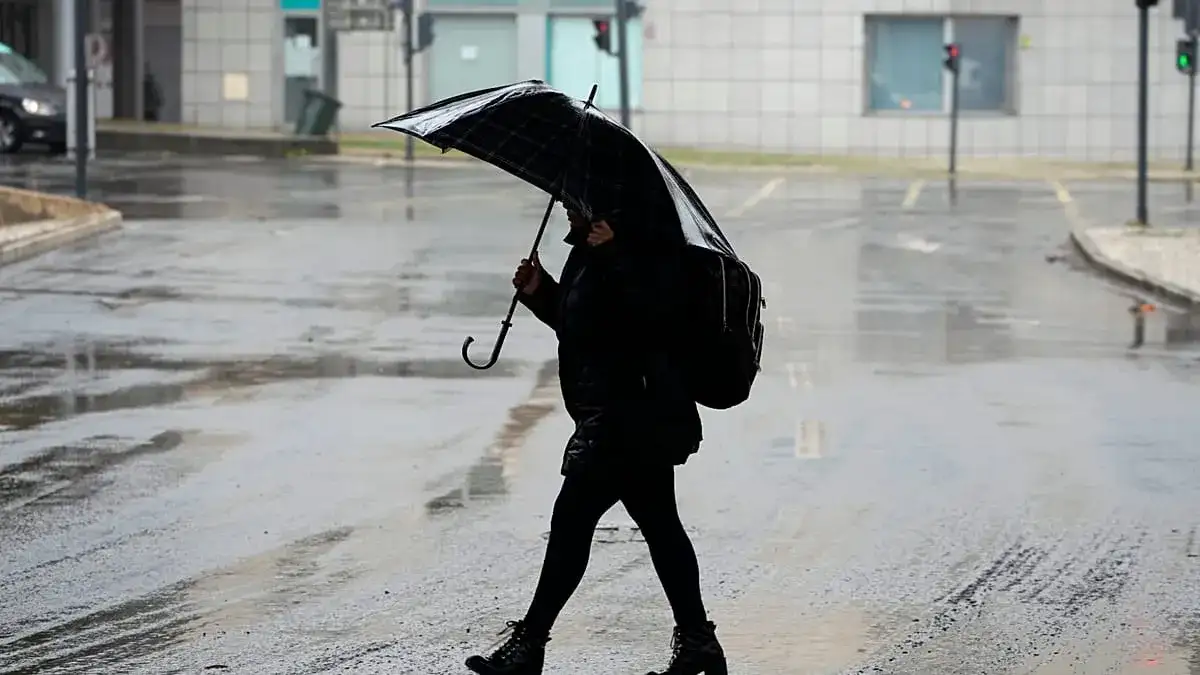
Fatalities and Evacuations: Reports indicate at least 15 deaths across the country due to the storms. Hundreds of thousands of people have been evacuated from their homes, particularly in flood-prone areas and regions experiencing landslides. In some instances, evacuations were extensive, with thousands forced to leave residential areas near rivers.
Infrastructure Collapse: A striking example of the damage was the collapse of a motorway pillar on the A1 highway, linking Lisbon and Porto, due to a levee burst on the River Mondego. Homes, businesses, and public facilities have suffered partial or total destruction. Power outages affected hundreds of thousands, with utility companies working to restore supply.
Emergency Response and Political Impact: The government's handling of the flood response has faced scrutiny, leading to the resignation of Interior Minister Maria Lúcia Amaral. The persistent weather has also prompted calls to postpone the second round of Portugal's presidential election.
Critiques and Calls for Adaptation
The repeated impact of severe weather has amplified discussions about Portugal's preparedness and the need for enhanced climate adaptation strategies.
Read More: Portugal World Cup Round of 32: Fernandes and Dalot Face Croatia
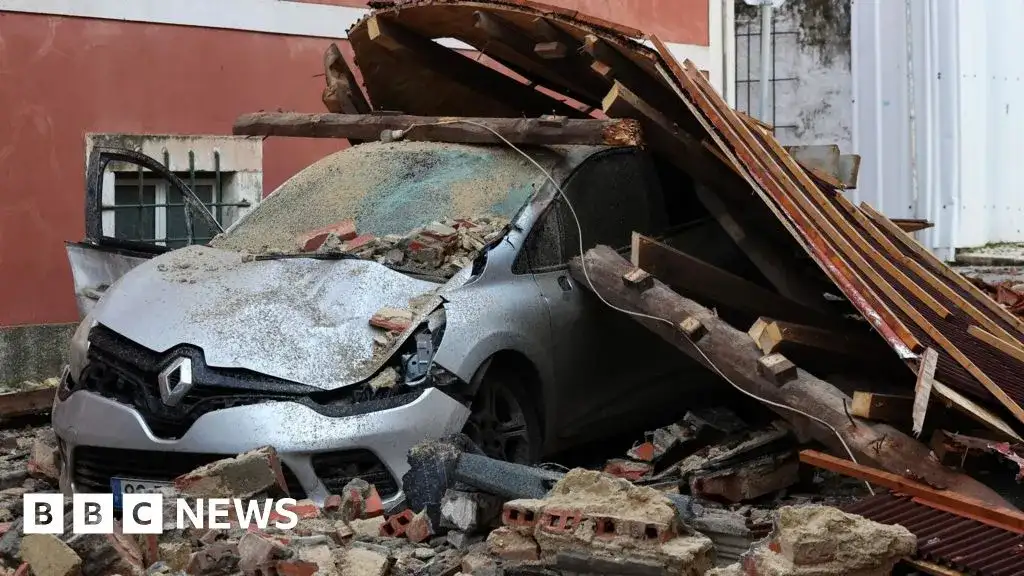
Infrastructure Resilience: The crisis has raised serious questions about the resilience of Portugal's infrastructure against increasingly extreme weather events. The damage to roads, power lines, and river defenses highlights the need for upgrades.
Frequency of Storms: Experts and authorities warn that similar or more frequent severe storms may become a recurring issue, necessitating a proactive approach to disaster management and climate change mitigation.
Conclusion
The consecutive storms of Kristin, Leonardo, and Marta have exposed significant challenges for Portugal, from immediate disaster response to long-term infrastructure and climate resilience. The country is urged to adapt to an increasingly volatile climate, a process that will require substantial investment and strategic planning to mitigate future impacts on its citizens and infrastructure. The ongoing recovery efforts, coupled with the prospect of more unsettled weather, indicate a period of sustained challenge for Portugal.
Sources Used:
The Independent: Reported on the immediate aftermath of severe flooding, including evacuations, a motorway collapse, and the Interior Minister's resignation.
euronews: Detailed the preparations for Storm Leonardo, including wind speeds and warnings, following the impact of Storm Kristin.
Xinhua: Provided a roundup of the severe storms battering Portugal, noting fatalities, injuries, displacement, and damage to infrastructure, with a warning of further weather events.
Link: https://english.news.cn/20260206/8397e10765e44e27b5f148a23e36409c/c.html
BBC News (Article 1): Reported on the fatalities and damage caused by Storm Kristin, including widespread power outages and incidents in Andalusia, Spain.
Le Monde: Covered Spain and Portugal bracing for more floods, mentioning the fatalities from Storm Kristin and Leonardo, and the scale of evacuations.
The Guardian: Discussed calls to postpone the presidential election due to Storm Leonardo lashing Portugal and Spain, and highlighted the significant threat to rivers like the Tagus.
Portugal.com: Detailed Portugal's struggle to recover from Storm Kristin, which struck a week prior, and highlighted the unprecedented nature of the weather crisis and its impact on infrastructure.
Link: https://www.portugal.com/news/portugal-struggles-to-recover-as-winter-storms-continue/
Portuguese American Journal (Article 1): Focused on the devastating impact of Storm Kristin in central Portugal, noting fatalities, power outages, and damage to infrastructure, with a warning of increasing storm frequency.
BBC Weather: Covered the impact of Storm Leonardo across Spain and Portugal, mentioning widespread flooding, evacuations, and the extension of a state of emergency in Portugal.
Portuguese American Journal (Article 2): Provided an update on extreme weather events battering Portugal, including the cumulative impact of three successive storms since late January and the disruption caused by Storm Marta.