The decentralized prediction market platform, Polymarket, is currently facing a tangled web of scrutiny, with recent events highlighting potential vulnerabilities and regulatory concerns. This comes as the platform, which allows users to speculate on a vast array of global events using cryptocurrency, continues to expand its reach despite significant legal and operational questions.
Regulatory Hurdles and Allegations of Market Manipulation
Recent events have cast a long shadow over Polymarket's operations. On April 23, 2026, Météo-France filed a complaint after an alteration was detected in one of its weather measurement probes at Charles de Gaulle Airport. This incident occurred amidst unusually high temperature fluctuations recorded on April 6 and April 15, 2026. These weather-related anomalies are reportedly linked to Polymarket, sparking suspicions of insider trading and potential market manipulation. This echoes similar concerns that led to Polymarket's prohibition by the Biden administration in the United States due to suspicions of fraud and foreign interference.
Read More: Solaris Energy SEI Stock Price Forecast Reaches $91.98 by July 2027
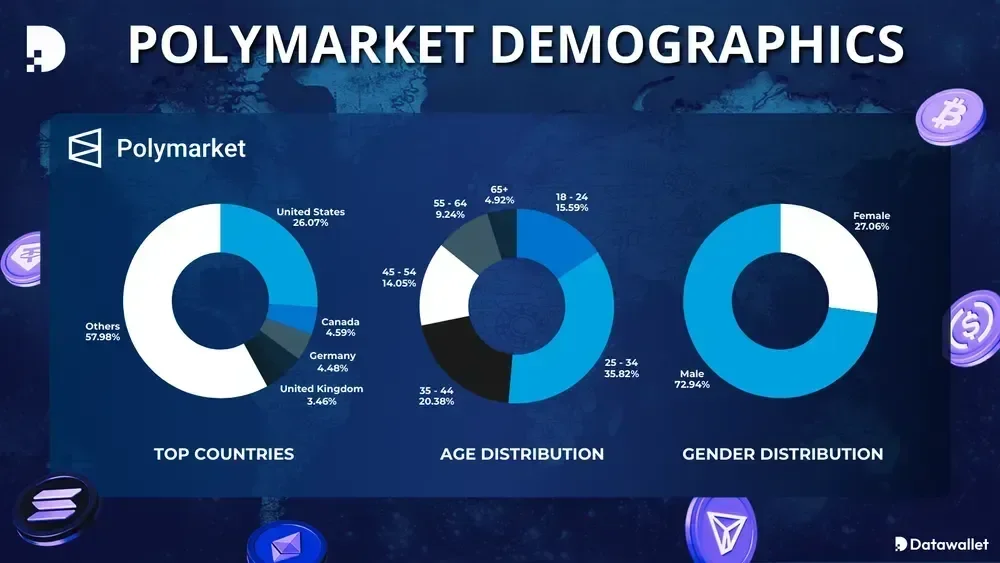
Despite official bans in some regions, including France, the platform has managed to find an audience. Some French individuals are reportedly still able to participate, bypassing geographical restrictions. This persistent access, coupled with the platform's global reach serving over 160 countries, underscores a persistent challenge in enforcing regulatory boundaries in the decentralized digital space.
A Lucrative, Yet Risky, Arena for Speculation
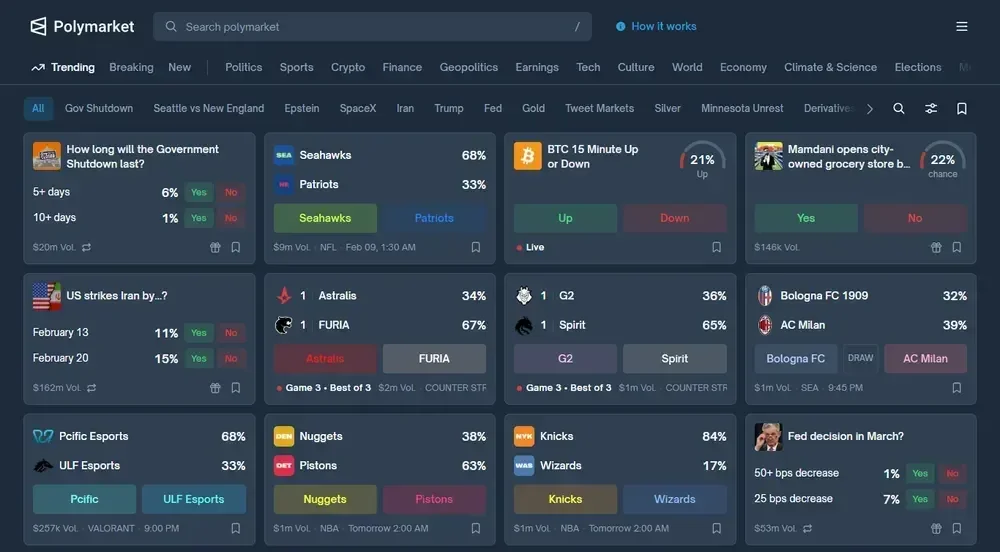
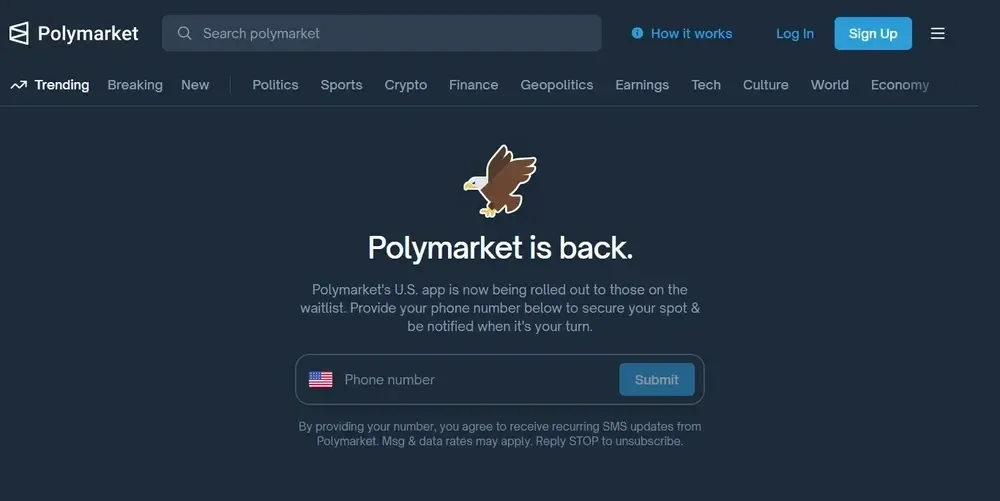
Polymarket positions itself as a hub for speculation on virtually any topic, from election outcomes and financial asset prices to cultural phenomena. Users select their desired outcome, invest a specified amount, and confirm the transaction, drawing parallels to stock market trading. The platform's valuation has reportedly soared to $8 billion following a $2 billion investment from ICE and its expansion into the US market.
This speculative environment can yield substantial profits for some participants, described as akin to Wall Street bankers observing market trends. One individual, who lost their engineering job in tech, claimed to be making over $1 million that year through diligent market observation and speculation on Polymarket. The platform operates on the Polygon blockchain, a structure designed to replace direct wallet interactions and theoretically align with federal standards for transparency, market surveillance, and investor protection.
Read More: Chrome mimeHandler API lets extensions handle file types
Operational Framework and Restricted Territories
Polymarket's infrastructure aims to adhere to directives from entities like the Commodity Futures Commission (CFTC), particularly regarding the avoidance of unregistered derivative products and swap platforms. However, the platform is explicit about the countries subject to restrictions. While serving a broad international user base, Polymarket actively works to preserve its legal integrity and comply with international financial norms by excluding certain regions.
The platform's broad scope includes markets on topics such as the potential outcomes of French presidential elections, mayoral races in cities like Nice and Paris, and even geopolitical events like the conflict in Ukraine. This diverse range of speculative markets, accessible globally but with curated regional access, positions Polymarket as a significant, albeit controversial, player in the digital prediction landscape.
Read More: Rocket Companies brand update in April 2026 changes logos and names