

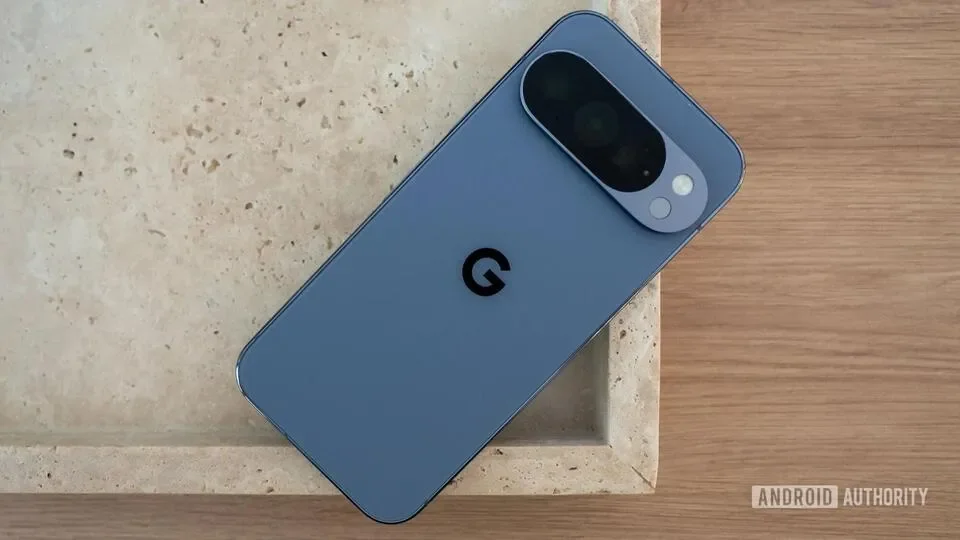
Owners of the Google Pixel 10 series continue to report a range of frustrating issues, with several persistent problems clouding the device's reception. These recurring glitches span critical functionalities like Google Wallet and the basic operation of essential Google apps, indicating a significant software instability problem.
The most pressing concerns revolve around core functionalities that impact daily use, specifically the inability to add payment methods to Google Wallet and disruptions to Google Play Services that prevent access to crucial Google apps and the Play Store. These issues have been documented across various forums and reports since the device's release.
Recurring Frustrations Plague Pixel 10
Users are encountering difficulties with fundamental features, leading to a less-than-seamless experience:
Google Wallet Woes: A significant number of Pixel 10 users are reporting trouble adding new payment cards to their Google Wallet. This problem appears to be more prevalent on the Pixel 10 than on other devices, including previous Pixel models. The inability to set up payment methods effectively cripples a key utility for many smartphone users.
Google Play Services Disruptions: More recently, reports have surfaced regarding widespread issues with Google Play Services. This fundamental component is essential for accessing Google apps and the Play Store. Problems with Google Play Services have reportedly been resolved for some users by deleting or disabling the service itself, or the related Fitbit app. However, Google has acknowledged the problem without providing a timeline for a fix.
RCS Messaging Hiccups: Upon initial setup, some Pixel 10 users have experienced difficulties activating or utilizing Rich Communication Services (RCS) messaging, a feature that enables enhanced messaging capabilities beyond standard SMS.
Screen Anomalies: Reports also indicate that some Pixel 10 devices are exhibiting screen-related problems. While the exact nature of these issues is not always detailed, it suggests a potential hardware or driver-level concern impacting display performance.
Overheating During Wireless Charging: A subset of Pixel 10 owners has observed their devices becoming unusually warm while connected to wireless chargers. This could point to inefficiencies in power management or charging hardware.
Inconsistent Bluetooth Performance: Some users have noted that Bluetooth connectivity on their Pixel 10 devices can be erratic or unreliable, impacting the use of accessories and data transfer.
Android Auto Integration Issues: Users have reported problems with Android Auto, with some updates not resolving the issue and specific instances where Google Maps fails to display on car screens.
Broader Concerns About Pixel Software Development
Beyond specific hardware and application glitches, there are broader critiques regarding Google's software development and testing practices for its Pixel line. The recurring nature of these problems has led to commentary suggesting that Google needs to fundamentally re-evaluate its approach to developing and rigorously testing software before release. This sentiment implies a perceived decline in the polish and reliability expected from Pixel devices, which were once lauded for their camera processing and AI capabilities.
Read More: Chrome mimeHandler API lets extensions handle file types
Context and Troubleshooting
The Pixel 10 series, launched with a promise of enhanced performance and refinements, has unfortunately been met with a series of launch-day and post-launch complications. Google has offered troubleshooting advice, including installing the latest software updates, restarting devices, updating specific apps like Android Auto, and re-pairing connected devices. For more severe issues, users are advised to consult guides on factory resets, booting into Safe Mode, or wiping the cache partition. The continued prevalence of these issues suggests that software updates alone may not be fully addressing the underlying problems.





