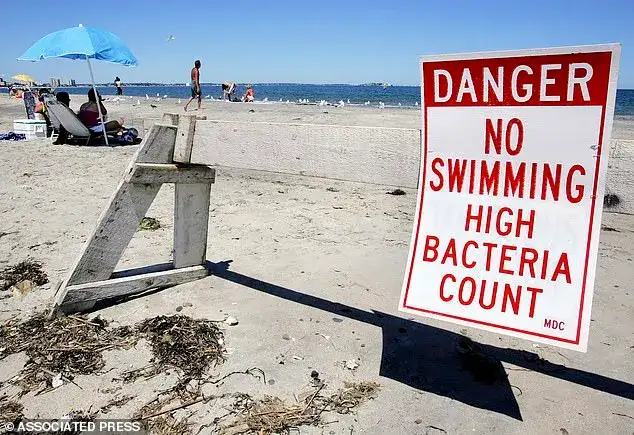
Property Valuations and Flood Risk Clash
Residents of a Phillip Island community, confronting the encroaching sea, have secured substantial reductions in their land tax bills. Their success hinges on challenging property valuations that failed to account for flood risk. The core of their argument: flood overlays, a factor that influences property desirability and development potential, were being ignored in tax assessments.
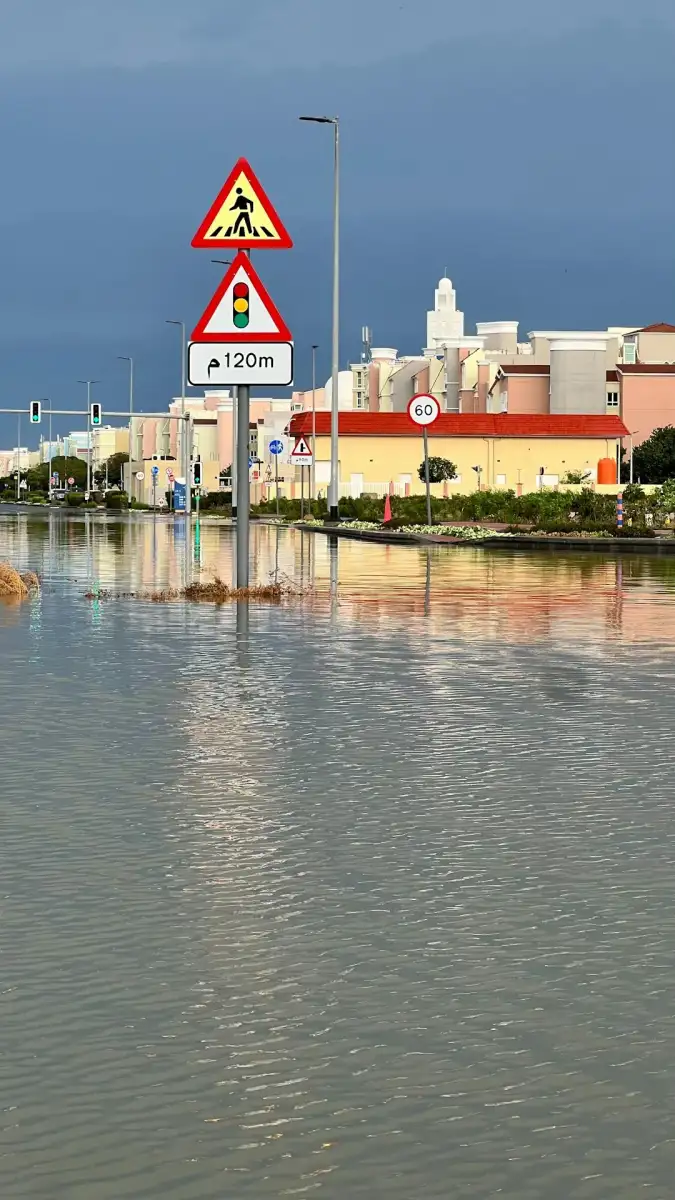
Dozens of residents successfully contested their land tax valuations, arguing that existing flood risk data was not adequately reflected in their property assessments, leading to significant tax bill reductions.
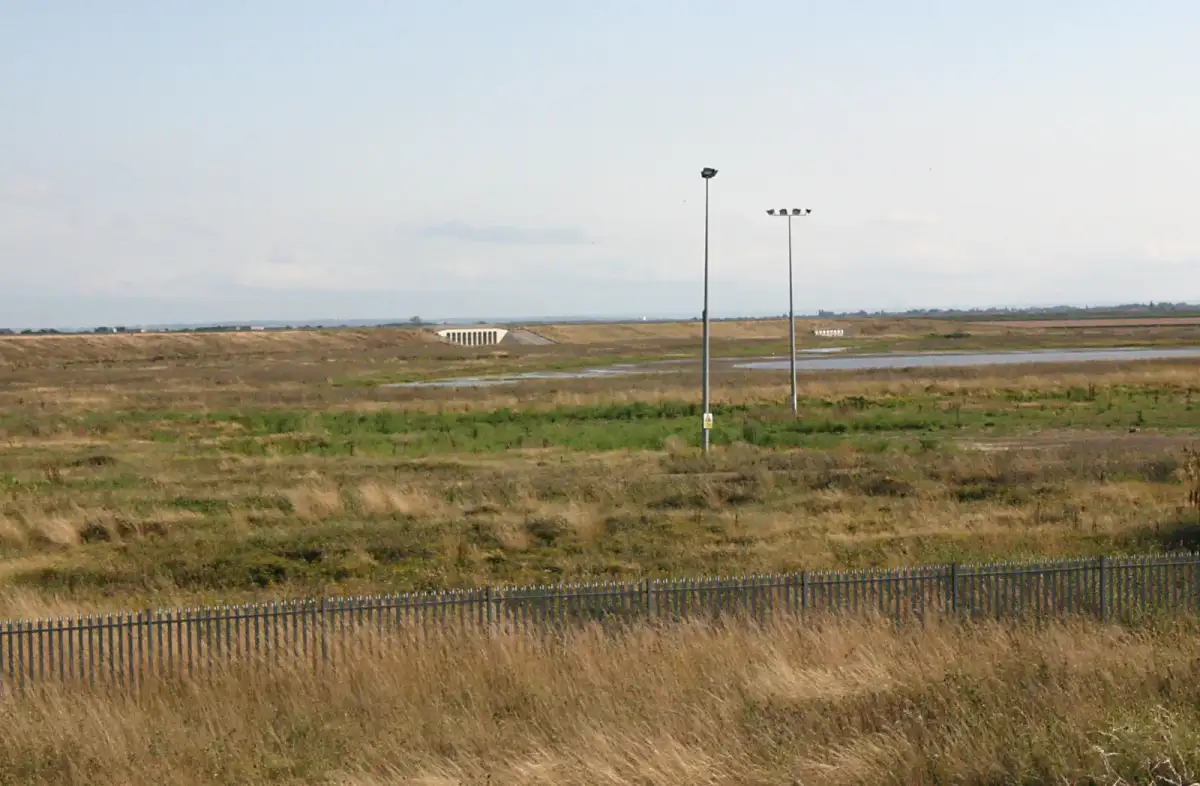
Tax lawyer Thomas Abraham advised that Victorians suspecting incorrect property valuations or overcharged land tax should contest their assessments. Some residents have already achieved considerable tax discounts after successfully disputing their valuations. The department's stance on whether it will proactively reassess properties with flood overlays or apply automatic reductions remains unclear.
Read More: New Financial Year 2027: Property Investors Need New Tax Strategies

The Broader Fiscal Impact of Climate Change
This local struggle reflects a wider concern for coastal municipalities. Studies highlight how rising sea levels and increased flooding pose a significant threat to municipal finances. Areas susceptible to inundation can see properties removed from tax rolls, directly impacting revenue streams needed for public schools, emergency services, and other essential municipal functions.
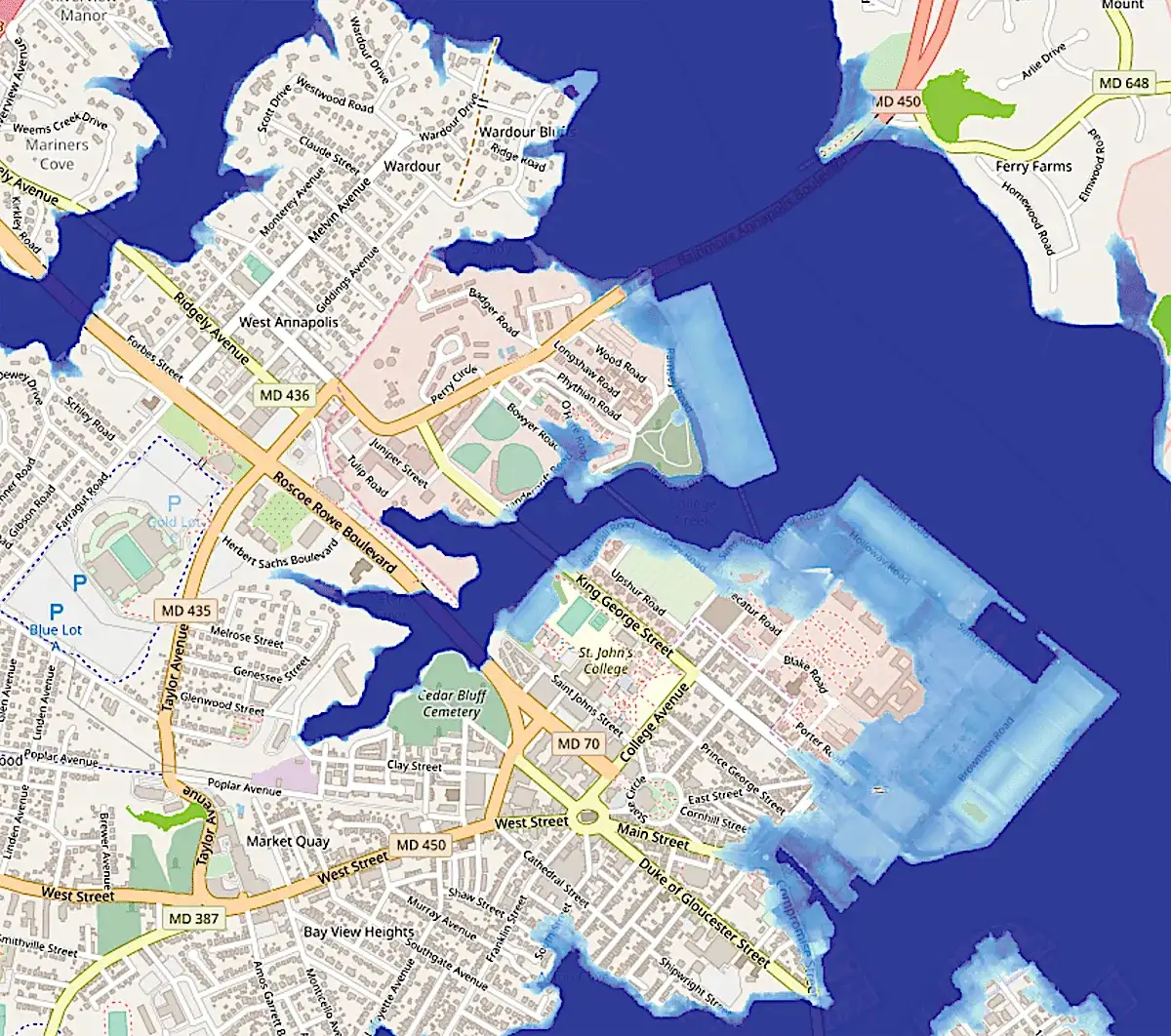
Research indicates that by 2050, approximately $35 billion worth of real estate could be submerged due to rising seas. This climate change impact extends beyond immediate coastal properties, potentially eroding the funding for public services even in inland communities as flooded properties cease contributing to county tax bases.
Policy and Market Distortions
While the physical threat of rising waters looms, policy and market forces can obscure the immediate financial realities. In some coastal areas, government initiatives like subsidized beach nourishment projects and tax incentives may artificially support or boost property values in the short to medium term, despite increasing environmental risks.
Read More: Amazon Land Use Changes Cause Disease Clusters in Brazil
This phenomenon can create a disconnect between tangible climate risks and apparent market stability. Studies suggest that without such interventions, property values in these vulnerable coastal zones might otherwise follow a downward trend.
Adaptation and Municipal Vulnerability
The challenge of adapting to a changing coastline is multifaceted. Communities are exploring a range of strategies, from traditional engineering solutions to nature-based approaches like living shorelines that leverage coastal wetlands as natural buffers against storm surges.
However, the fundamental issue of fiscal vulnerability for municipalities facing climate change impacts remains a critical concern. The interplay between environmental degradation, property values, and public revenue is a complex equation that local governments are increasingly forced to navigate.